Origin and History
The Bakharwal Dog, an ancient breed, originates from Ladakh, northern India, and is found across the Pir Panjal Range of Jammu and Kashmir, India. This breed has been bred by various local communities, including the Gaddis, Jats, Gujjar, and Bakerwal castes, for centuries. They have been instrumental in guarding livestock, including goats, sheep, and cattle, as well as protecting homes and settlements in the region.
Despite its historical significance, the Bakharwal Dog is currently on the verge of extinction, with recent studies indicating its inclusion in the endangered species category. The breed has faced challenges such as disease and attacks from separatist militants, who have targeted the dogs to prevent them from alerting people to their presence.
The Bakharwal Dog's history is shrouded in mystery, with some scholars suggesting that it may have descended from crossbreeding the Tibetan Mastiff with the Indian pariah dog. Others believe it is the oldest Indian Dog, having survived alongside the Kashmiri nomads for centuries. The breed's origins can be traced back to the 17th century, with records from the Mughal Empire mentioning the use of similar dogs for protection.
General Appearance
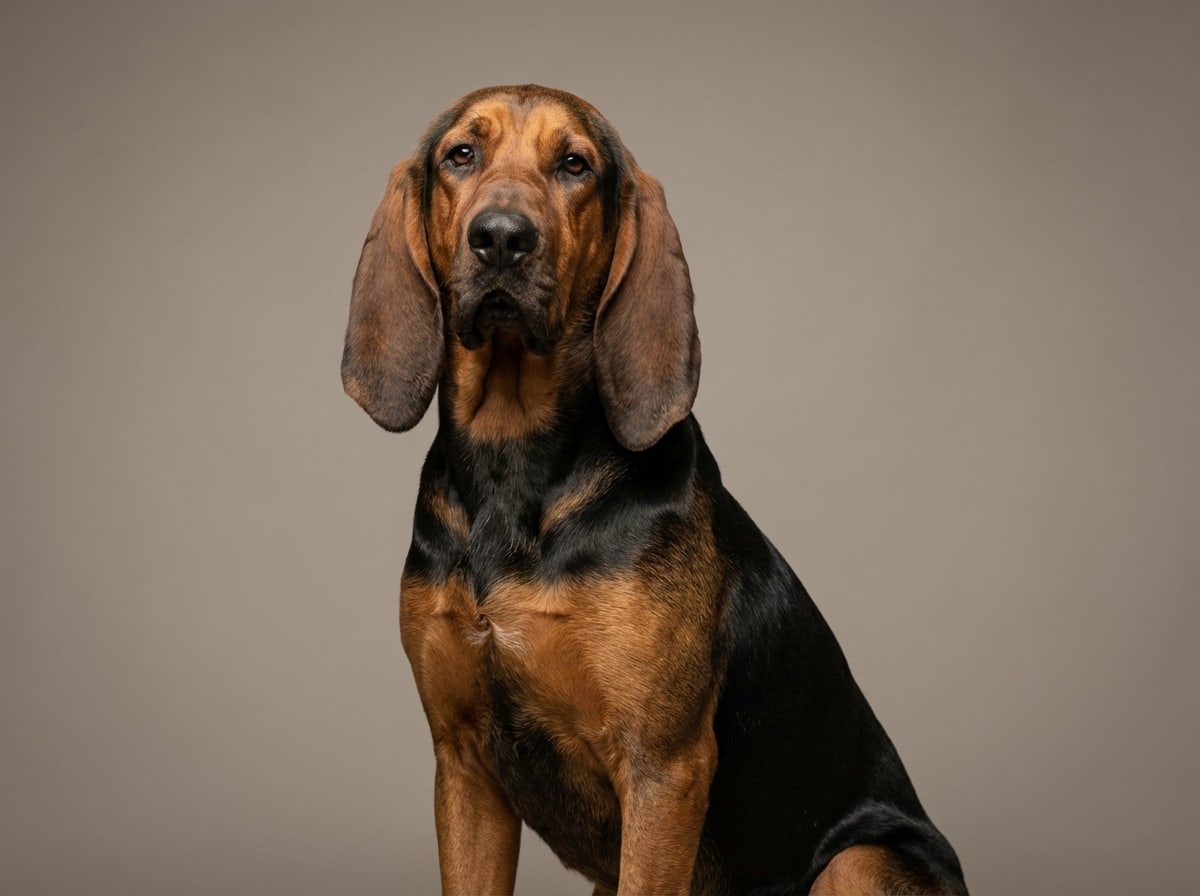
The Bakharwal Dog is a powerful, heavy-boned, medium to large-sized dog known for its agility and sturdy build. It is a typical mountain dog with a dense double coat and a plumy tail, exuding a majestic look. The breed's appearance is reminiscent of a medium version of the Tibetan Mastiff, with a distinctively strong and muscular build.
Common colors include black and tan, red, fawn, pied, sable, white, and brindle. The coat's texture can vary from smooth to rough, and the color patterns can be solid, patched, or speckled. The dog has a vegetarian appetite, primarily consisting of bread made from rice chaff, maize, and milk, which reflects its nomadic heritage.
Females of the breed typically give birth to a single litter of three to four puppies once a year. The breeding season typically occurs between December and February, with the puppies born between March and April.
Temperament and Traits
The Bakharwal Dog is known for its loyal, protective, intelligent, courageous, and independent temperament. It is a working dog breed, bred specifically for guarding livestock and protecting homes and settlements. The breed's temperament is a blend of its working and protective instincts, making it a formidable guardian.
Despite its working nature, the Bakharwal Dog has a low level of friendliness, which makes it less suitable for families with young children. The breed's natural wariness and protective nature can sometimes lead to aggression if not properly socialized and trained.
The breed is highly trainable, making it a suitable choice for experienced dog owners who can provide consistent training and socialization. Proper training helps to channel the Bakharwal Dog's protective instincts into constructive behaviors.
Size and Weight
The Bakharwal Dog is a large breed, with males weighing between 35-60 kg and standing at 61-76 cm in height. Females are slightly smaller, weighing between 35-60 kg and standing at 56-71 cm in height. The breed's size and strength make it an effective guardian, capable of protecting large flocks and properties.
Its large size and powerful build also contribute to its intimidating presence, which can be a deterrent to potential threats. The Bakharwal Dog's physical attributes are well-suited to its role as a protector in mountainous and rugged terrain.
Breeder Purpose and Utilization
The primary purpose of breeding the Bakharwal Dog is for working purposes. It is particularly utilized for guarding sheep, protecting farms and homes, and serving as a settlement protector in regions like Himachal Pradesh and Jammu and Kashmir. The breed's resilience and adaptability make it well-suited to the challenging conditions of the Himalayas.
In addition to its traditional roles, the Bakharwal Dog has also been employed by the Indian Police to capture militants across the nation. Its loyalty and protective instincts make it an invaluable asset in such operations. The breed's use in law enforcement dates back to the 1980s, when it was first introduced to the Indian Police Service.
Health and Genetic Considerations
The Bakharwal Dog has faced challenges due to its historical struggles with separatist militants, which have led to disease and deaths among the breed. The breed has also been affected by other health issues, such as hip dysplasia and skin allergies, which can be genetic in nature.
While the breed's genetic history is not fully understood, it is believed to have descended from crossbreeding the Tibetan Mastiff with the Indian pariah dog, which may contribute to certain traits and potential health concerns. The breed's genetic diversity is limited, which can increase the risk of inherited diseases.
Practical Considerations for Potential Owners
When considering a Bakharwal Dog, potential owners should be prepared for the breed's large size, strong protective instincts, and high energy level. This dog requires a secure living environment and consistent training to ensure its well-being and that of its surroundings.
Given its working nature, the Bakharwal Dog may not be the best fit for first-time dog owners or those looking for a low-maintenance pet.
Before purchasing a Bakharwal Dog, it is advisable to research reputable breeders and ensure that the dog comes from a healthy lineage.
Coat and Colour Standards
The Bakharwal Dog's coat is dense and double-layered, providing insulation against the harsh mountain climate. The outer coat is typically short and coarse, while the undercoat is dense and soft. The breed's coat standards allow for a variety of colors and patterns, which can include black and tan, red, fawn, pied, sable, white, and brindle.
These color variations are not only visually appealing but also serve a practical purpose, as they can help the dog blend into the surrounding environment, making it less visible to potential threats. The breed's coat standards are set by the Indian Kennel Club, which recognizes the Bakharwal Dog as a distinct breed.
Registry History
The Bakharwal Dog was first recognized by the Indian Kennel Club in 1979, marking a significant step in the breed's official recognition and preservation. The breed's registry history is relatively short, given its ancient origins, but it has gained attention in recent years due to its endangered status and unique characteristics.
The Indian Kennel Club has played a crucial role in promoting the breed and ensuring that breeding practices are conducted responsibly. The registry keeps track of the breed's population and monitors the health and genetic diversity of the breed.
Frequently Asked Questions
What is the lifespan of the Bakharwal Dog?
The average lifespan of the Bakharwal Dog is about 9-13 years. Good nutrition and regular veterinary care support a healthy life.
What is the temperament of the Bakharwal Dog?
The Bakharwal Dog is known for: Loyal, Protective, Intelligent, Courageous, Independent. Its energy level is moderate.
What size and weight is the Bakharwal Dog?
It is a large dog, typically around 35-60 kg as an adult.
Is the Bakharwal Dog easy to care for?
Reliable grooming and shedding ratings are not available. Routine brushing, ear and dental care, and nail trims are still recommended.
Is the Bakharwal Dog good with kids and other pets?
Reliable child- and pet-friendliness ratings are not available. Supervised, gradual introductions are recommended.
How much exercise does the Bakharwal Dog need?
With a moderate energy level, it needs walks, play or training matched to its stamina.
Bakharwal Dog
Trait Scores
N/A