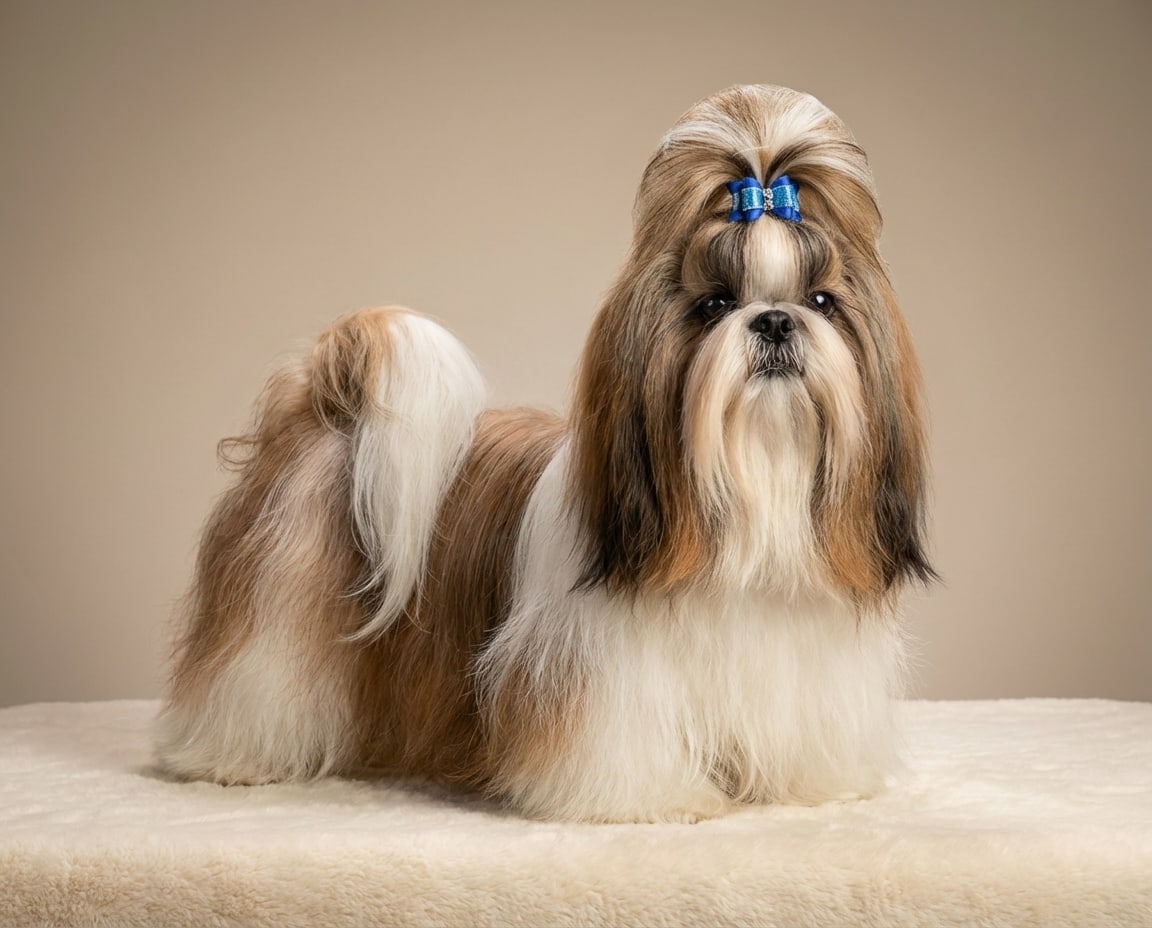
Origin and History
The Austrian Pinscher, known as the Österreichischer Pinscher in its native Austria, is a medium-sized pinscher-type dog with roots tracing back to Austria. This breed was originally developed as a versatile farm dog, performing duties such as ridding barns of rats, acting as home guards, livestock guardians, and drovers. The breed's name was officially changed from the Österreichischer Kurzhaarpinscher (Austrian Shorthaired Pinscher) to its current name to distinguish it from other breeds with similar names. Recognized as a breed in 1928, the Austrian Pinscher was developed from an old type of pinscher found on farms in the Austrian countryside, a mixture of German Pinschers and local dogs.
In the late 19th century, the demand for farm dogs like the Austrian Pinscher diminished as their work became obsolete. The breed faced near-extinction after World War II, with only one registered dog remaining in the 1970s. Thanks to efforts by breeders and organizations such as Ark Austria (Arche Austria), which preserves endangered indigenous breeds, the breed has been revived, although it remains a rare and vulnerable breed with only a small number of breeding animals. The breed's revival was also supported by the Austrian government, which recognized the cultural significance of the breed.
The breed is recognized by the Austrian Kennel Club (Österreicher Kynologenverband) and internationally by the Fédération Cynologique Internationale in the Pinscher section of Group 2. The United Kennel Club in the United States also recognizes the Austrian Pinscher, classifying it in the Terrier Group, reflecting its historical role as a rat hunter. The breed's registry in the United States is managed by the United Kennel Club, which maintains records of all registered Austrian Pinschers in the country.
Appearance
The Austrian Pinscher is a strong and sturdy dog with a robust build. Males typically stand at 42-50 cm (17-20 in) at the withers, while females range from 40-48 cm (16-19 in). The breed has distinctive button ears and a head shaped like a pear. Their double coat is short to medium in length, available in a variety of colors including yellow, red, black, and tan, often with white markings on the face, chest, feet, and tip of the tail. The long tail is carried high, adding to the breed's lively and alert appearance. The coat color standards are strictly adhered to by breeders, ensuring that the coat color reflects the breed's heritage and purpose.
In comparison to the German Pinscher, the Austrian Pinscher is heavier, more rugged, and has a more rectangular appearance. This breed's physical characteristics reflect its historical role as a working dog, designed for strength and resilience.
Temperament and Behavior
The Austrian Pinscher is an alert, protective, loyal, energetic, confident, and intelligent dog. Known for their strong protective instincts, they make excellent guardians and companions. While they are not typically inclined to be hunters, they excel as incorruptible guards, a trait that has made them popular among homeowners looking for a reliable protection dog.
As a "pleasant companion," the Austrian Pinscher is described as playful and not overly aggressive. This temperament makes them suitable for families with children, as they are known to be affectionate and gentle with them. However, their protective nature means they may be wary of strangers, which is a characteristic that can be both a strength and a challenge in family settings.
Health and Genetics
Little data has been collected on the health of the Austrian Pinscher, but breeders in Austria prioritize good health in the restoration breeding process. The breed is listed as highly vulnerable by Ark Austria, with only 6 to 12 breeding animals. This limited population size necessitates careful breeding practices to preserve health and breed type. Health conditions that have been observed in the breed include hip dysplasia, patellar luxation, and skin allergies, which are monitored closely by breeders.
Genetic testing is becoming more common among breeders to identify and mitigate hereditary conditions. The breed's small population size makes it particularly susceptible to inbreeding, which can exacerbate health issues. As a result, breeders are increasingly focusing on outcrossing to maintain genetic diversity and improve the overall health of the breed.
Lifestyle and Care
The energetic and intelligent nature of the Austrian Pinscher requires a high level of exercise and mental stimulation.
Brushing once or twice a week is typically sufficient, but more frequent grooming may be necessary during shedding seasons. The breed's short to medium-length coat also makes them suitable for owners who prefer minimal grooming responsibilities.
Buying an Austrian Pinscher
When considering the purchase of an Austrian Pinscher, potential owners should be prepared for the following:
- A dedicated and active lifestyle, providing ample exercise and mental stimulation.
- A responsible approach to breeding, supporting efforts to preserve the breed's health and diversity.
Given the breed's rarity and vulnerability, it is advisable to work with reputable breeders who prioritize health and breed type. Be prepared for a long-term commitment, as the average lifespan of an Austrian Pinscher is 12-14 years. Potential owners should also be aware of the breed's protective nature and be prepared to manage this trait effectively in a family setting.
Frequently Asked Questions
What is the lifespan of the Austrian Pinscher?
The average lifespan of the Austrian Pinscher is about 12-14 years. Good nutrition and regular veterinary care support a healthy life.
What is the temperament of the Austrian Pinscher?
The Austrian Pinscher is known for: Alert, Protective, Loyal, Energetic, Confident, Intelligent. Its energy level is high.
What size and weight is the Austrian Pinscher?
It is a large dog, typically around 12-18 kg as an adult.
Is the Austrian Pinscher easy to care for?
Reliable grooming and shedding ratings are not available. Routine brushing, ear and dental care, and nail trims are still recommended.
Is the Austrian Pinscher good with kids and other pets?
Reliable child- and pet-friendliness ratings are not available. Supervised, gradual introductions are recommended.
How much exercise does the Austrian Pinscher need?
With a high energy level, it needs walks, play or training matched to its stamina.
Austrian Pinscher
Trait Scores
N/A