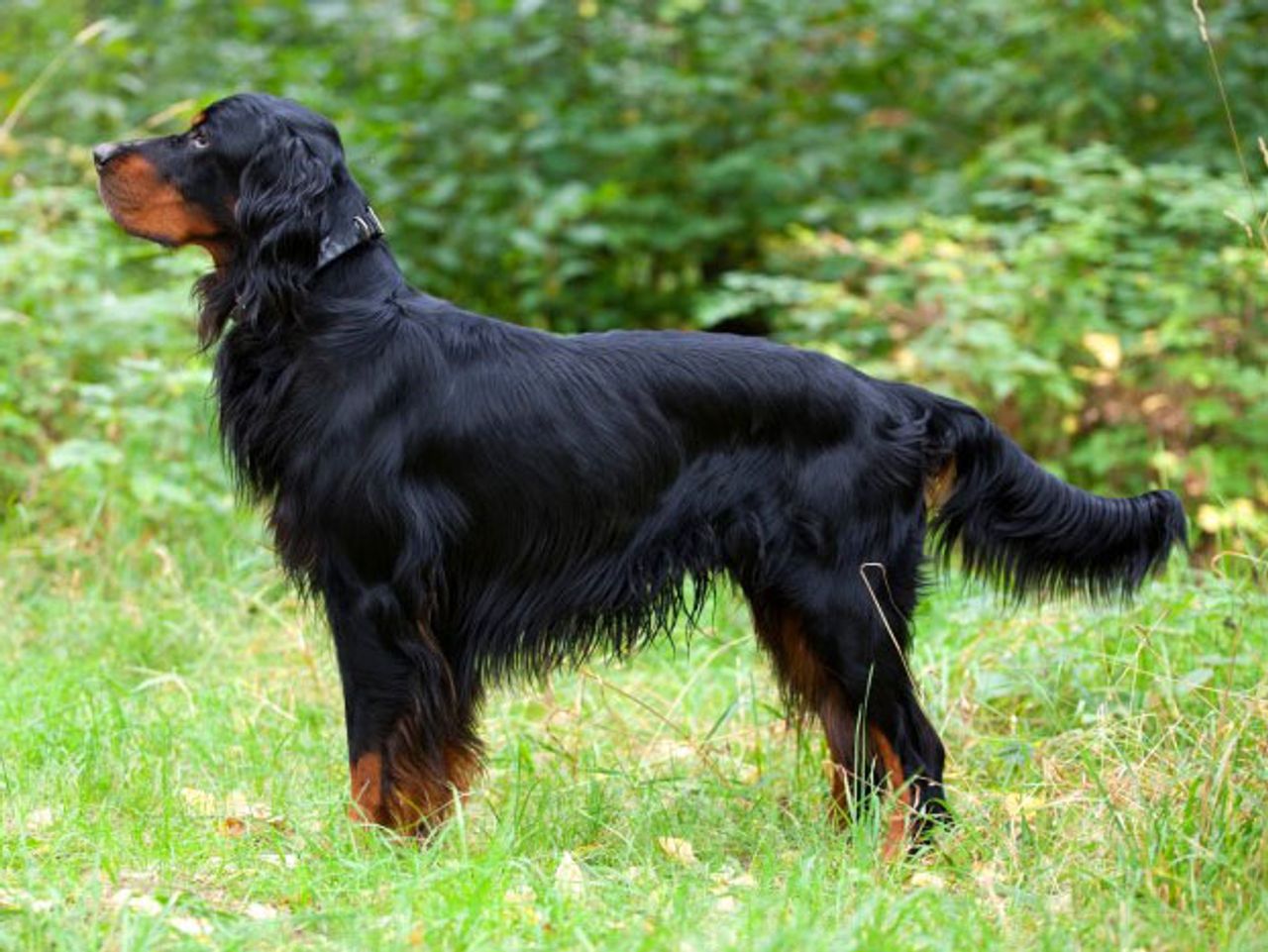
Origin and Development
The Australian Terrier, a small breed of dog, originated in Australia. Its development began in the early 19th century, with the breed descending from rough coated type terriers that were brought from Great Britain to Australia in the early 19th century. These ancestral types were primarily kept to eradicate mice and rats. The Australian Terrier shares ancestors with the Cairn Terrier, Shorthaired Skye Terrier, and the Dandie Dinmont Terrier, and also includes crosses with Yorkshire Terriers and Irish Terriers.
The breed was initially known as the Rough Coated Terrier and was officially recognized in 1850. It was renamed as the Australian Terrier in 1892. The Australian Terrier made its debut at a dog show in Melbourne in 1906 and was also showcased in Great Britain around the same time.
According to a survey by the Australian Terrier Club of America in 2002, the top three causes of death among the breed were old age (17%), cancer (15%), and diabetes (13%). This information highlights the breed's longevity and the importance of health monitoring throughout their lifespan.
Appearance and Coat
The Australian Terrier is a small dog with short legs, weighing approximately 6.5 kilograms (14 lb) and standing about 25 centimeters (9.8 in) at the withers. It features a medium-length shaggy harsh double coat that is not typically trimmed. The coat is shorter on the muzzle, lower legs, and feet, and there is a ruff around the neck.
The coat colors of the Australian Terrier are blue or silver and tan, with a lighter-colored topknot. The breed standard specifies that the markings on the face, ears, body, and legs should be a color described as "tan, never sandy," or a solid red with a sandy variation. This strict standard ensures that the breed maintains a distinctive appearance.
The tail of the Australian Terrier was traditionally docked to protect the dog from spinal injury while working and hunting in the field, a practice that was common in the breed's early days. This historical aspect reflects the breed's original role in working environments.
Temperament and Intelligence
The Australian Terrier is known for its spirited, alert temperament, and it is described as having the natural aggressiveness of a ratter and hedge hunter. This breed is courageous, loyal, and intelligent, ranking 34th in Stanley Coren's The Intelligence of Dogs, indicating above-average "Working and Obedience" intelligence, which translates to good trainability. The breed's high intelligence makes it responsive to training and eager to please.
According to the breed standard, the ideal Australian Terrier temperament is characterized by its alertness and spirited nature. This makes the breed suitable for owners who are looking for a companion that is both friendly and loyal, ideal for active households.
Health Considerations
The Australian Terrier is susceptible to certain health issues. One notable condition is the auto-immune disease Vogt-Koyanagi-Harada-like syndrome. Common conditions affecting the breed include diabetes mellitus (10%), luxating patella (9%), ear infections (5%), cataracts (5%), flea allergy dermatitis (5%), ruptured cranial cruciate ligament (4%), and hypothyroidism (4%).
Other health concerns that may arise include Legg-Calvé-Perthes disease, which affects the hip joint, and Collie Eye Anomaly, which is a genetic condition that can lead to vision problems.
Life Expectancy and Size
The Australian Terrier has a life expectancy of 11-15 years. A survey in the UK of breed club members found that the median life expectancy of the Australian Terrier is just above 12 years, with bitches living roughly a year longer than dogs on average. This lifespan is typical for a small breed and is reflective of the breed's overall health and vitality.
The breed is classified as a medium-sized dog, with adult weights ranging from 7-9 kg and heights from 25-28 cm at the withers. This size and weight range are typical of the breed and contribute to its sturdy yet agile build, making it well-suited for various activities.
Adaptability and Compatibility
The Australian Terrier is a medium-energy dog, which means it requires moderate levels of exercise and mental stimulation. While the breed is adaptable, it may not be the best choice for individuals with very young children or those looking for a dog that is completely hypoallergenic, as it is not classified as hypoallergenic. However, its friendly nature and intelligence make it a good fit for families with older children or those willing to provide proper supervision.
The Australian Terrier's high trainability and friendly nature make it a good fit for families or individuals looking for a loyal and intelligent companion. Its adaptability to different living situations, from apartments to rural homes, adds to its popularity as a versatile breed.
Buying an Australian Terrier
Due to the breed's susceptibility to certain health issues, it is advisable to ask about the breeder's practices in managing these conditions. Reputable breeders will have health clearances and will be transparent about any potential health concerns associated with the breed.
It is also crucial to consider the long-term commitment of owning an Australian Terrier, given its life expectancy of 11-15 years. Potential owners should be prepared for the time and financial investment required to maintain the health and well-being of this breed.
Lastly, potential owners should ensure that their lifestyle aligns with the needs of an Australian Terrier, including providing sufficient exercise, mental stimulation, and social interaction. This ensures a harmonious relationship and a fulfilling experience for both the owner and the dog.
Frequently Asked Questions
What is the lifespan of the Australian Terrier?
The average lifespan of the Australian Terrier is about 11-15 years. Good nutrition and regular veterinary care support a healthy life.
What is the temperament of the Australian Terrier?
The Australian Terrier is known for: Courageous, Alert, Friendly, Loyal, Intelligent. Its energy level is moderate.
What size and weight is the Australian Terrier?
It is a medium-sized dog, typically around 7-9 kg as an adult.
Is the Australian Terrier easy to care for?
Reliable grooming and shedding ratings are not available. Routine brushing, ear and dental care, and nail trims are still recommended.
Is the Australian Terrier good with kids and other pets?
Reliable child- and pet-friendliness ratings are not available. Supervised, gradual introductions are recommended.
How much exercise does the Australian Terrier need?
With a moderate energy level, it needs walks, play or training matched to its stamina.
Australian Terrier
Trait Scores
N/A