Origin and History
The American Water Spaniel, often abbreviated to AWS, is a breed of spaniel that originated in the United States, specifically in the state of Wisconsin during the 19th century. Developed from a combination of breeds such as the Irish and English Water Spaniels, the Curly Coated Retriever, and possibly the Sussex Spaniel or another type of field spaniel, this versatile hunting dog was bred to work in the icy waters and marshy banks of the Great Lakes region.
Recognized by the United Kennel Club in 1920 and the American Kennel Club in 1940, the breed was saved from near extinction by Dr. Fred J. Pfeifer, who established the breed club and standard. The breed was made the state dog of Wisconsin in 1985, though it remains a rare breed, with only 233 puppies registered with the AKC in 1998. Pfeifer's dedication to the breed's preservation was crucial, as the American Water Spaniel was on the brink of extinction due to declining numbers and lack of recognition.
Dr. Pfeifer's efforts to breed selectively for gameness, stability, courage, intelligence, and beauty were instrumental in the development of the American Water Spaniel. His work led to the establishment of the breed club and standard, ensuring its recognition and preservation. His methods were based on a deep understanding of the breed's heritage and the traits that made it effective in its original hunting role.
Physical Description
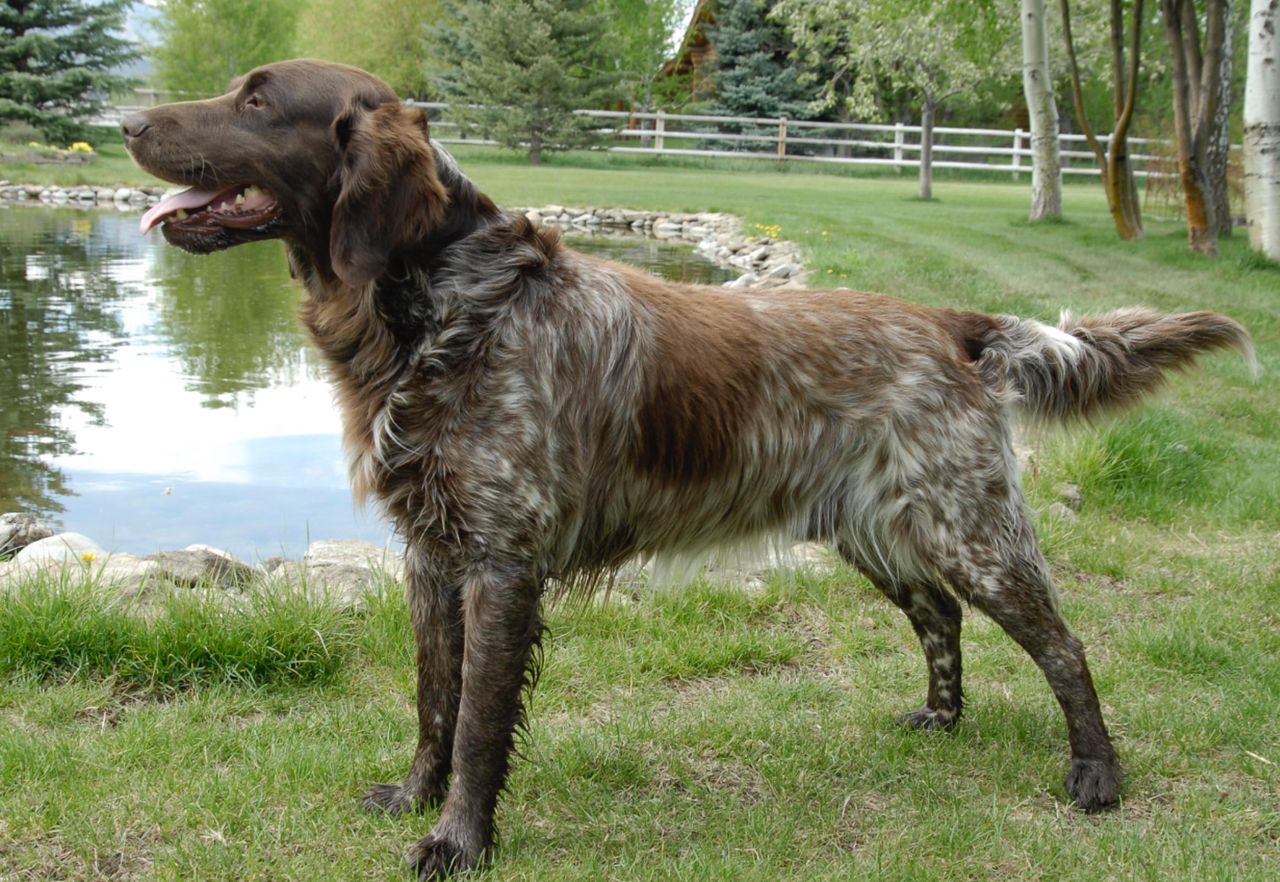
The American Water Spaniel is a medium-sized dog with a distinctive curly or wavy chocolate or liver coat. The average height at the withers is 38-46 cm, and the weight ranges from 11-20 kg for females and 14-20 kg for males. The breed's coat has a coarse outer layer that repels water and protects against foliage, while the inner layer provides insulation to keep the dog warm in cold water conditions.
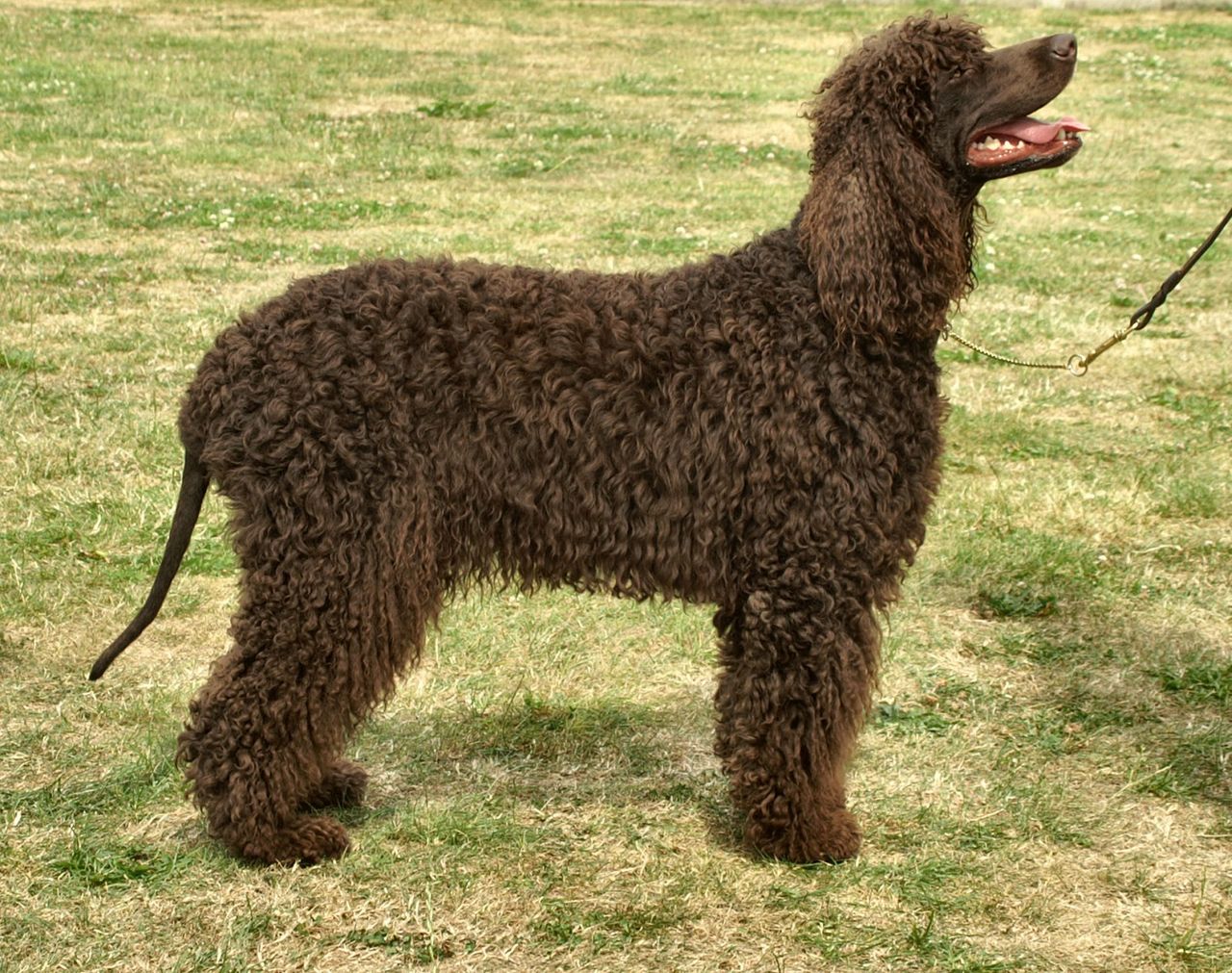
The coat can be either tightly curled or in a "marcel pattern," where the fur falls in waves. The breed has similar features to the Irish Water Spaniel but is generally smaller, with the Irish breed standing at 53-61 cm and weighing 25-29 kg. The American Water Spaniel's size and strength make them well-suited for their hunting tasks, while their agility allows them to navigate complex terrain.
The breed's skull is broad, and it carries long, wide ears. The tail is typically not docked, which is a characteristic of the breed's original hunting function, allowing it to wag freely and maintain balance in the water. The American Water Spaniel's physical attributes are designed for their work, making them a highly efficient hunter.
Temperament and Behavior
The American Water Spaniel is known for its eager to please temperament, intelligence, energy, and alertness. These dogs are highly trainable and enjoy being the center of attention, often being quite vocal. They are versatile hunters with a high level of endurance in the water and agility on land.
Despite their hunting background, American Water Spaniels are suitable for apartment living, provided they receive adequate exercise. They are known to bond closely with one particular individual, often being referred to as a "one family dog. " While they were bred to hunt, their size and temperament make them good companions for families, especially when they are properly trained and socialized. Socialization is particularly important to ensure they are comfortable around children and other pets.
They can be stubborn and mentally slow to mature from puppyhood, requiring consistent and patient training. Their intelligence allows them to learn quickly, but their independent nature can sometimes lead to challenges. Training should be firm but fair, rewarding good behavior and correcting poor behavior in a manner that does not harm the dog's confidence or trust in its owner.
Health Considerations
While the American Water Spaniel has a relatively low incidence of hereditary conditions common in more popular breeds, there are certain health concerns to be aware of. Eye issues such as cataracts and progressive retinal atrophy are prevalent, often starting before one year of age. These conditions can significantly impact the dog's vision and require early detection and treatment.
Hypothyroidism, allergies, epilepsy, diabetes, and glandular disorders that may cause baldness are also concerns, particularly in dogs around six months of age.
Hip dysplasia is seen in approximately 8.3% of the breed, according to surveys conducted by the Orthopedic Foundation for Animals. This is considered one of the lower results for sporting breeds, with Greyhounds having the lowest rate at 3.4% and the related Boykin Spaniel having the highest at 47%. There has been no evidence of elbow dysplasia found in the breed.
Breeding and Development
The development of the American Water Spaniel involved pack breeding, which led to a level of genetic variation. Dr. Fred J. Pfeifer's work at Wolf River Kennels was crucial in saving the breed, with numbers held by the kennel fluctuating but reaching up to 132 dogs at times. His efforts included selective breeding for desirable traits such as gameness, stability, courage, intelligence, and beauty. Pfeifer's knowledge of the breed's heritage allowed him to carefully select breeding pairs to enhance these traits.
Pfeifer's sales pitch emphasized the distinctively American production of the American Brown Spaniel, highlighting the breed's history and the efforts of hunters in its propagation. His dedication to the breed's preservation played a significant role in its recognition and survival. The breed's development was not only about its physical attributes but also about maintaining its working abilities and temperament.
Today, the American Water Spaniel remains a rare breed, with efforts by breeders and enthusiasts to maintain its genetic health and ensure its continued existence. The American Water Spaniel Field Association, established in 1993, supports AKC Spaniel classification and provides field training opportunities for owners of the breed. This organization plays a vital role in promoting the breed and ensuring that its characteristics are preserved.
Lifestyle and Care
The American Water Spaniel is a versatile dog that can adapt to various lifestyles, including apartment living, provided they receive enough exercise.
They shed at a moderate level, so regular brushing can help control shedding and maintain the coat's health. The breed's coat requires special attention to keep it tangle-free and looking its best. Professional grooming may be necessary to manage the coat, especially during shedding seasons.
Training and socialization should begin early and continue throughout the dog's life. Consistent and patient training will help ensure that they are well-behaved and adaptable to different situations. Socialization is particularly important for the American Water Spaniel, as it helps them become well-rounded and confident dogs.
Buying Checklist and Considerations
- Check for health clearances from a reputable veterinarian, including eye exams and hip and elbow evaluations.
- Visit the breeder to assess the living conditions of the dogs and ensure they are well-cared for. The environment in which the puppies are raised can have a significant impact on their temperament and health.
- Ask about the dog's temperament and behavior, and observe the dog's interactions with the breeder and other dogs. This can provide valuable insights into the dog's personality and potential compatibility with your lifestyle.
- Consider the dog's exercise needs and ensure you can provide the necessary physical activity.
- Understand the breed's potential health issues and be proactive about monitoring and addressing them.
Frequently Asked Questions
What is the lifespan of the American Water Spaniel?
The average lifespan of the American Water Spaniel is about 10-14 years. Good nutrition and regular veterinary care support a healthy life.
What is the temperament of the American Water Spaniel?
The American Water Spaniel is known for: Eager to Please, Intelligent, Energetic, Alert, Happy. Its energy level is high.
What size and weight is the American Water Spaniel?
It is a large dog, typically around Male: 14-20; Female: 11-18 kg as an adult.
Is the American Water Spaniel easy to care for?
Reliable grooming and shedding ratings are not available. Routine brushing, ear and dental care, and nail trims are still recommended.
Is the American Water Spaniel good with kids and other pets?
Reliable child- and pet-friendliness ratings are not available. Supervised, gradual introductions are recommended.
How much exercise does the American Water Spaniel need?
With a high energy level, it needs walks, play or training matched to its stamina.
American Water Spaniel
Trait Scores
N/A