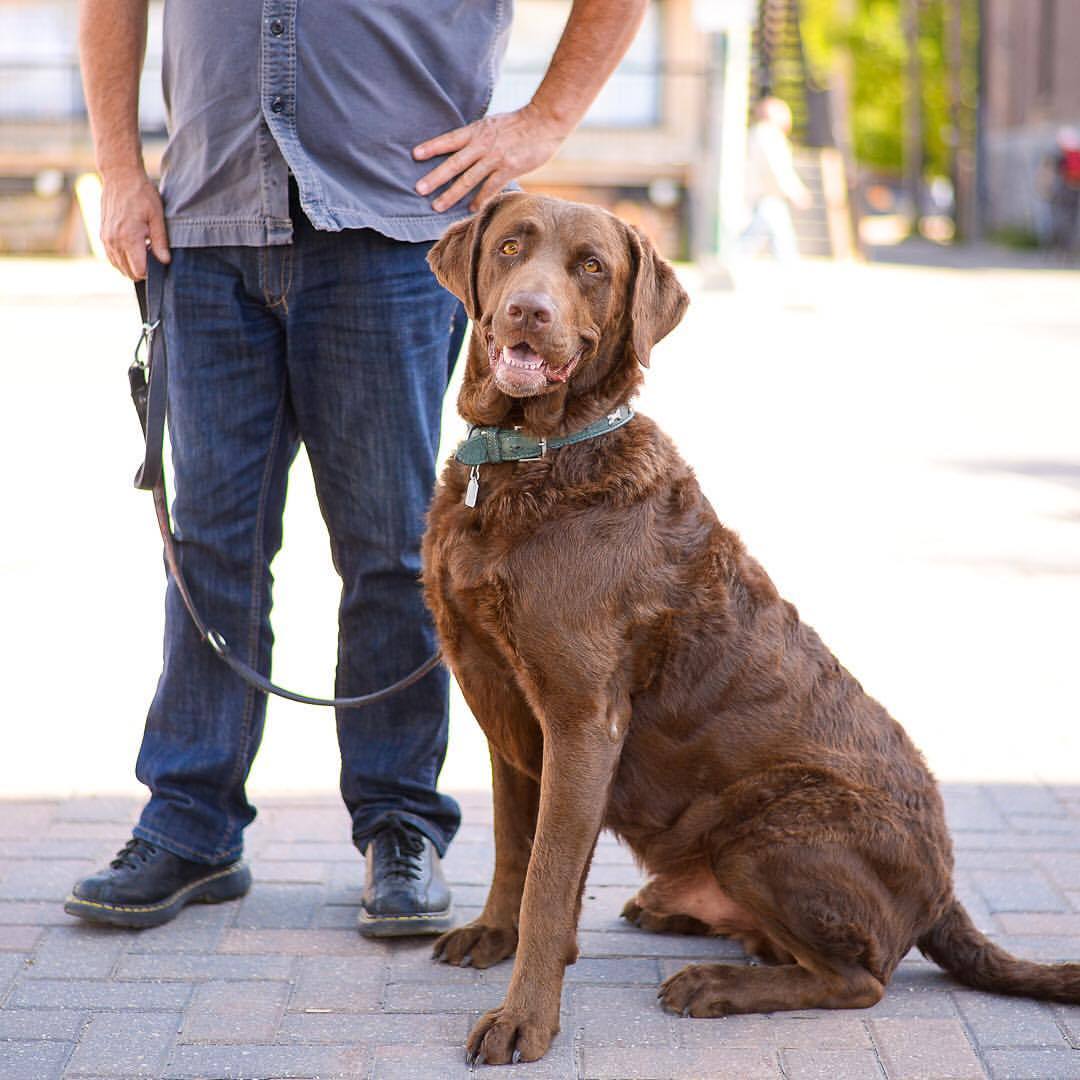
Origin and Recognition
The American Pit Bull Terrier, recognized by the United Kennel Club (UKC) and the American Dog Breeders Association (ADBA), originated in the United States. Its ancestors, the Old English Terriers and Old English Bulldogs, were bred together in England to create a dog that combined the gameness of the terrier with the strength and athleticism of the bulldog.
When compared to the English Staffordshire Bull Terrier, the American Pit Bull Terrier is larger, with a height difference of 6–8 inches (15–20 cm) and a weight difference of 25–35 pounds (11–16 kg). The breed was officially recognized by the UKC on February 10, 1898.
Despite the colloquial use of the term "pit bull" to encompass various dog breeds, some breeders and experts argue that the American Pit Bull Terrier is the only true "pit bull" and the only breed that should be denoted as such.
Physical Description
The American Pit Bull Terrier is a medium-sized dog with a solid build and short coat. Males typically stand at 18–21 inches (45–53 cm) in height and weigh around 35–60 pounds (15–27 kg), while females are normally around 17–20 inches (43–50 cm) in height and 30–50 pounds (13–22 kg) in weight.
The ADBA describes the breed as having a short coat that is glossy, smooth, and stiff to the touch. The coat is required to be short and can come in many colors and patterns, except for merle coloring, which is not recognized by the ADBA or UKC.
Other physical characteristics include round to almond-shaped eyes, small to medium-length ears, and a slightly thick, tapering tail. The breed's overall appearance is one of athleticism and agility, which is reflected in its smooth muscle structure and short coat.
Temperament and Behavior
The American Pit Bull Terrier is known for its confident and intelligent nature. It is eager to please and has a strong sense of loyalty and affection towards people. The breed's natural agility makes it one of the most capable canine climbers, necessitating good fencing for this breed.
The UKC describes the breed as having "strength and confidence" and being "eager to please and brimming over with enthusiasm. " The breed's high level of intelligence and willingness to work make it well-suited for various roles, including companion dogs, working dogs, athletic sport dogs, police dogs, and therapy dogs.
However, the breed is not without its challenges. The ADBA standard considers human aggression a disqualification factor, and the American Preservation Dog Registry (APDR) emphasizes the importance of a temperament that is "totally reliable with people. " A 2000 CDC study found that Rottweilers and pit bull-type dogs accounted for 67% of human dog bite-related fatalities in the United States between 1979 and 1998, highlighting the need for responsible ownership and training.
Health and Genetic Conditions
Due to its athleticism and diverse breeding background, the American Pit Bull Terrier tends to be a hardy breed with an average lifespan of 12 to 14 years. However, there are several genetic conditions to be aware of, including hip dysplasia, canine degenerative myelopathy, kneecap dislocation, and skin problems such as mange and skin allergies.
Culling for performance has helped reduce the incidence of some health issues, such as patella problems, thyroid dysfunction, and congenital heart defects. American Pit Bull Terriers with dilute coat colors have not shown a higher occurrence of skin allergies compared to other breeds.
The breed is also susceptible to parvovirus if not vaccinated, especially as puppies.
Demodex mange is another concern, with two types: localized and generalized. Localized mange usually heals as the puppy grows, while generalized mange is more severe and may be hereditary. Treatment involves ivermectin injections or oral medications.
Bloodlines and Historical Development
The American Pit Bull Terrier has several notable bloodlines, many of which originated in professional dog fighting throughout the 20th century. The Castillo bloodline, founded by Tekla Castillo in the early 1980s, focuses on conformation standards within the UKC and is known for its unique combination of different breeding lines, resulting in dogs with desirable traits such as strength, intelligence, and temperament.
The Colby dogs, started by John Pritchard Colby in 1889, are a black-nosed bloodline that served as one of the pillars of the APBT breed. Colby's Pincher, one of the most famous dogs of his bloodline, was widely used as a stud dog and is present in the pedigrees of the vast majority of APBT specimens.
The Old Family Red Nose (OFRN) strain, originating in Ireland, is known for its specific and unique reddish coloration. Many dogs of the OFRN strain have a copper-red nose and coat, red lips, red toe nails, and red or amber eyes. The strain was later bred to maintain its reddish color and has been preserved by reputable breeders over time.
Media Portrayal and Public Perception
The media has significantly impacted how the American public views the temperament of the American Pit Bull Terrier. A 2002 study suggests that news media exaggerates and exacerbates any real or potential problems that exist with Pit Bulls. Other studies note that many people, including experts, falsely report any stocky short-haired dogs as Pit Bulls, leading to a lower probability of adoption or even being taken into shelters for care.
In an effort to counter the fighting reputation of pit bull-type dogs, organizations like the San Francisco Society for the Prevention of Cruelty to Animals have renamed pit bull terriers "St. Francis Terriers" and the New York City Center for Animal Care and Control tried relabeling their pit bulls as "New Yorkies," but both programs were halted due to public opposition.
Health and Genetic Conditions (Continued)
The American Pit Bull Terrier is prone to demodex mange due to culling for performance. There are two types of demodex mange: localized and generalized. Localized mange usually heals as the puppy grows, while generalized mange is more severe and may be hereditary. A simple skin scraping test can diagnose demodex mange, and treatment involves ivermectin injections or oral medications.
Parvovirus is another concern for the breed, with puppies being particularly susceptible if not vaccinated. Vaccination is imperative, starting at 39 days old and continuing every 2 weeks until 4 months old, then again at 8 months, and once a year after that.
Practical Considerations for Potential Owners
- Understand the breed's history and potential health issues.
- Ensure your home and yard are secure with good fencing.
- Invest in ongoing veterinary care and vaccination.
- Be committed to responsible ownership and training.
Frequently Asked Questions
What is the lifespan of the American Pit Bull Terrier?
The average lifespan of the American Pit Bull Terrier is about 12-16 years. Good nutrition and regular veterinary care support a healthy life.
What is the temperament of the American Pit Bull Terrier?
The American Pit Bull Terrier is known for: Confident, Intelligent, Loyal, Affectionate, Eager to Please, Energetic. Its energy level is high.
What size and weight is the American Pit Bull Terrier?
It is a large dog, typically around Male: 16-27; Female: 14-23 kg as an adult.
Is the American Pit Bull Terrier easy to care for?
Reliable grooming and shedding ratings are not available. Routine brushing, ear and dental care, and nail trims are still recommended.
Is the American Pit Bull Terrier good with kids and other pets?
Reliable child- and pet-friendliness ratings are not available. Supervised, gradual introductions are recommended.
How much exercise does the American Pit Bull Terrier need?
With a high energy level, it needs walks, play or training matched to its stamina.
American Pit Bull Terrier
Trait Scores
N/A