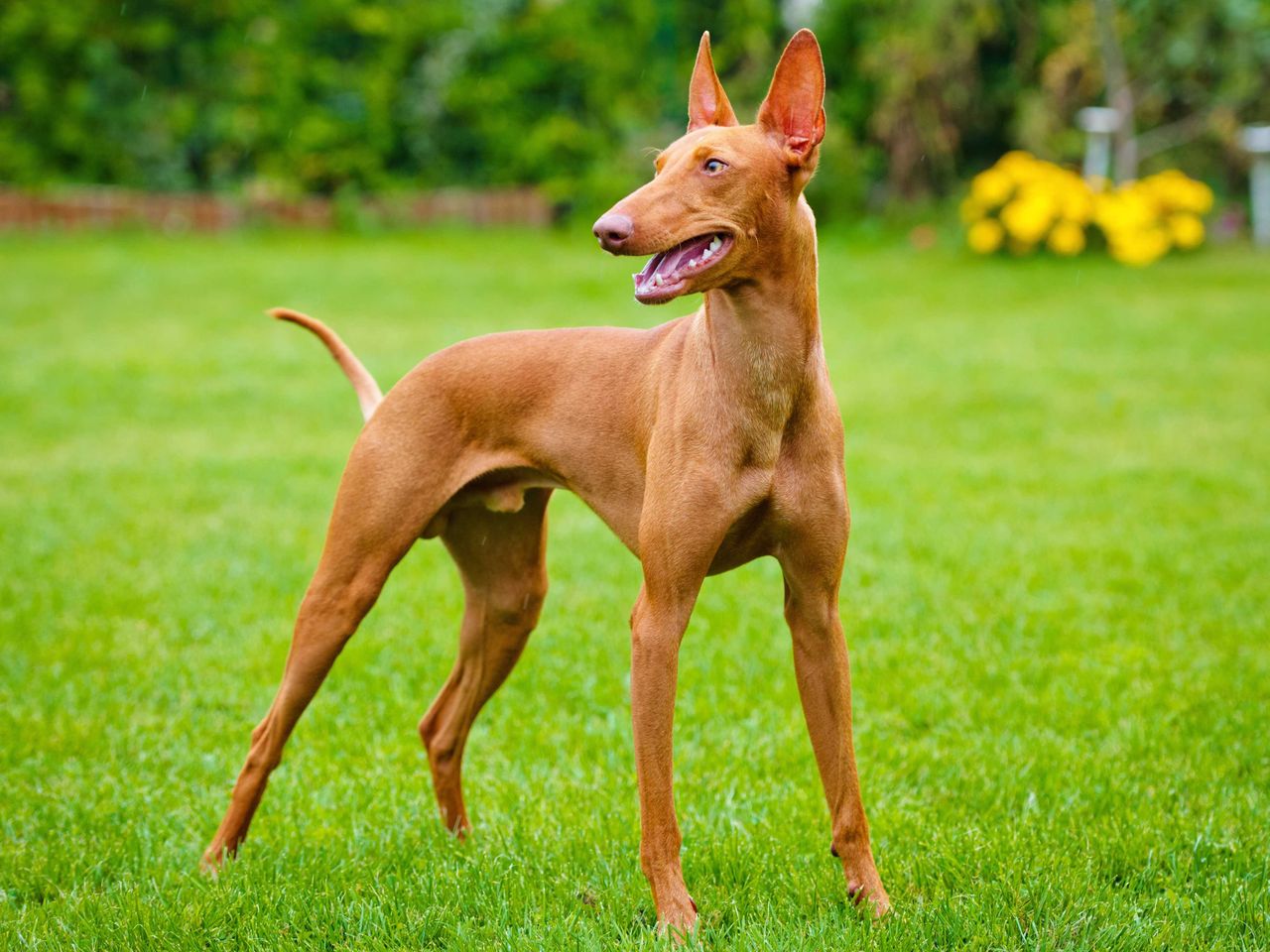
Origin and Development
The American Foxhound, a scent hound breed, originated in the United States, specifically in the states of Maryland and Virginia, where George Washington, a notable American Founding Father, was instrumental in the breed's development. Washington's passion for hunting foxes led him to breed for speed and tracking abilities, which he achieved by combining French Foxhounds, Grand Bleu de Gascogne, and English hounds in his possession.
Robert Brooke, a Maryland settler, brought his pack of hunting dogs to the United States in 1650, laying the groundwork for several American hound strains. The "Brooke Hounds," a direct descendant of these dogs, were in the Brooke family for nearly 300 years, establishing one of the longest documented breeding records for a single breed and family. The breed's development was furthered by the importation of other hounds such as the Bloodhound and the Beagle.
George Washington, known as the "Father of the American Foxhound," is credited with shaping the breed's characteristics through selective breeding. His influence and the importation of various hound breeds helped to refine the American Foxhound's distinct features and abilities, including their hunting prowess and their loyalty to their owners.
Physical Description
The American Foxhound is a sleek, powerful scenthound with a long, fine-boned body and an athletic build. Males typically stand at 56-64 cm (22-25 inches) tall at the withers and weigh between 29-32 kg (65-70 pounds), while females are slightly smaller, standing at 53-61 cm (21-24 inches) and weighing 27-29 kg (60-65 pounds). This size difference is consistent across the breed, making it easy to identify male and female American Foxhounds.
Characterized by their long, straight-boned legs and narrow chests, American Foxhounds possess a long muzzle and a large, domed skull. Their ears are wide and low-set, and their eyes are large and wide-set, usually hazel or brown, which can provide insight into their alert and perceptive nature.
Their coat is a close, hard hound coat of medium length, available in any color, although combinations of black, white, and tan are prevalent. Despite shedding a considerable amount of hair, regular brushing can minimize shedding and maintain the coat's health. The coat's texture can vary from smooth to rough, depending on the individual dog.
Temperament and Behavior
With a docile and sweet demeanor, the American Foxhound is known for its gentle and friendly nature. They typically get along well with children and other animals, making them a good family pet. This sociable temperament is a result of their long history as part of hunting packs and their need for companionship.
Despite their independent nature, American Foxhounds are intelligent and can be trained effectively. However, due to their strong hunting instincts, they may sometimes ignore commands when following a scent, which requires patience and skill during training.
This breed is not known as a watchdog due to its musical bark, known as a "bay," which can be heard over long distances while hunting. This trait makes them less suitable for city settings, where such a bark could disturb neighbors. Their communication through baying is an integral part of their hunting heritage.
Activity and Exercise Needs
As an energetic breed with a high level of stamina, the American Foxhound requires substantial exercise. They are built for speed and endurance and benefit from having space to run and play.
Due to their independent and energetic nature, American Foxhounds are best suited for owners who can provide them with the space and time for daily exercise and activities that stimulate their senses and instincts. These activities can include long walks, hikes, and opportunities to chase after balls or other toys.
Health Considerations
While generally free from genetic disorders, American Foxhounds can become overweight with overfeeding, a common issue among breeds with high energy levels. Owners should be mindful of their dog's diet and portion sizes to avoid this problem, which can lead to a range of health issues including joint problems and heart disease.
A minor health risk is thrombocytopathy, or platelet disease, which can result in excessive bleeding from minor cuts or bumps. This condition is more prevalent in certain lines of the breed and may require veterinary attention if it occurs.
Dysplasia, a genetic condition affecting the hip joint, and some eye issues have been observed in the breed, though not as commonly as in others.
Trigg Hound Variety
The Trigg Hound, also known as the Trigg Foxhound or Hayden Trigg Hound, is a variety of the American Foxhound developed in Kentucky by Colonel Haiden Trigg in the 1860s. This breed was created with the intention of developing a faster hound for fox hunting, making it a more agile and responsive hunting companion.
Trigg Hounds stand at 23 to 24 inches (58 to 61 centimeters) at the withers and weigh between 45 to 55 pounds (20 to 25 kilograms) for males, while females stand at 20 to 22 inches (51 to 56 centimeters) and weigh 35 to 45 pounds (16 to 20 kilograms). They are characterized by their long snout, hanging ears, and short, smooth coat, which allows for quick movement through dense terrain.
Trigg Hounds are known for their obedience and tenacity, making them well-suited for hunting. They are also appreciated for their sense of smell and endurance, qualities that have been selectively bred for over a century. Their distinctive appearance and hunting abilities have earned them a place in the registry of American Foxhound varieties.
Buying and Owning an American Foxhound
When considering the purchase of an American Foxhound, potential owners should be prepared for the breed's high energy levels and the requirement for ample space to run and play.
Potential owners should also be aware of the breed's independence and the potential for scent-driven behavior. Patience and consistent training will be key in ensuring a harmonious relationship with this intelligent and energetic breed. Socialization from a young age is also essential to help manage their strong hunting instincts and to ensure they are well-rounded pets.
Owners should also consider the breed's lifespan, which typically ranges from 10 to 14 years.
Frequently Asked Questions
What is the lifespan of the American Foxhound?
The average lifespan of the American Foxhound is about 11-13 years. Good nutrition and regular veterinary care support a healthy life.
What is the temperament of the American Foxhound?
The American Foxhound is known for: Independent, Friendly, Gentle, Energetic, Intelligent. Its energy level is high.
What size and weight is the American Foxhound?
It is a large dog, typically around Male: 29-32; Female: 27-29 kg as an adult.
Is the American Foxhound easy to care for?
Reliable grooming and shedding ratings are not available. Routine brushing, ear and dental care, and nail trims are still recommended.
Is the American Foxhound good with kids and other pets?
Reliable child- and pet-friendliness ratings are not available. Supervised, gradual introductions are recommended.
How much exercise does the American Foxhound need?
With a high energy level, it needs walks, play or training matched to its stamina.
American Foxhound
Trait Scores
N/A