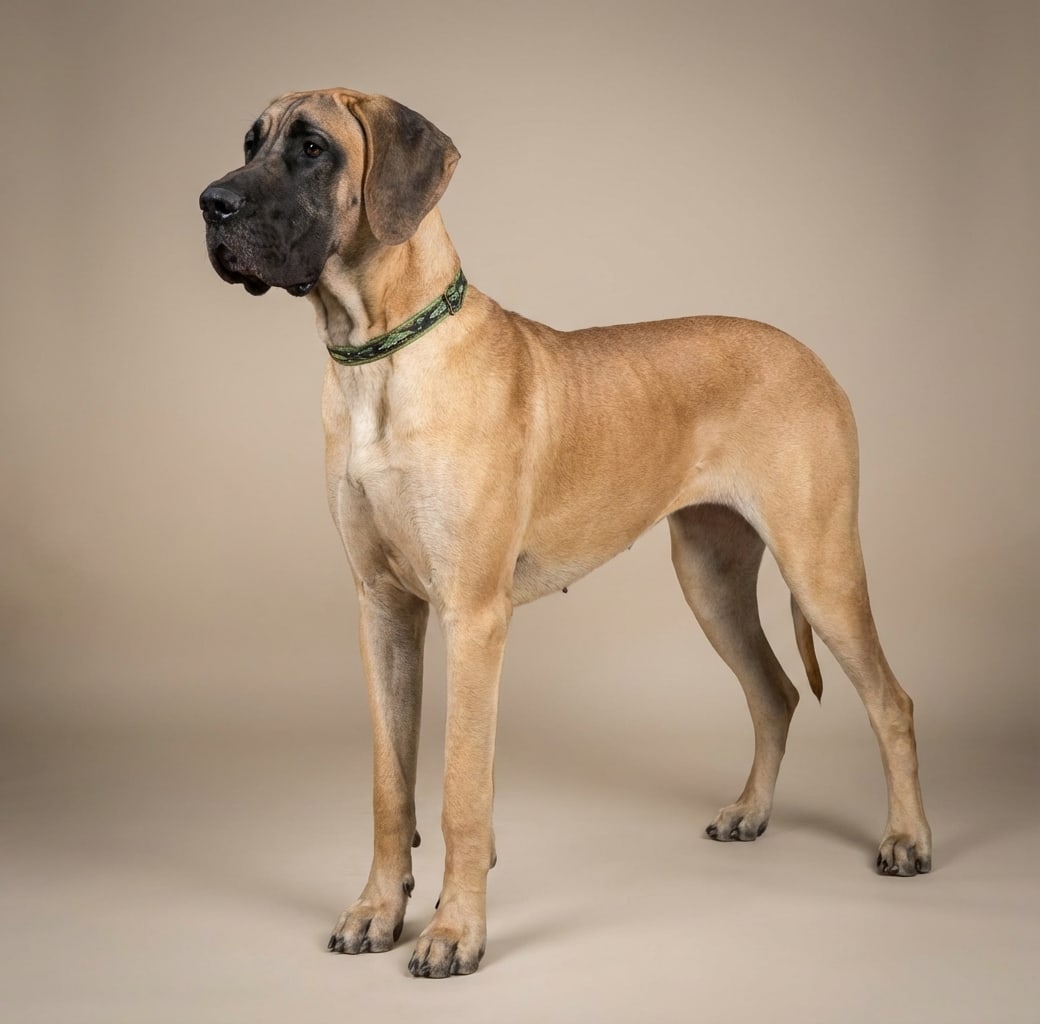
Origin and Recognition
The American English Coonhound, also known as the English Coonhound or Redtick Coonhound, originated in the Southern United States. This breed descended from hunting hounds, particularly foxhounds, brought to America by settlers in the 17th and 18th centuries. The United Kennel Club first recognized the breed in 1905 as the English Fox and Coonhound. The American Kennel Club granted full recognition to the American English Coonhound in 2011, marking it as the 171st breed in the hound group.
The breed's development involved adapting to the rough terrain of Virginia, where dogs like Robert Brooke, Thomas Walker, and George Washington imported them. This led to the creation of Virginia Hounds, which were bred to hunt raccoons at night and the American red fox by day. The breed's versatility was further enhanced by selective breeding, focusing on traits like scenting ability, speed, and endurance.
Color variations are common among English Coonhounds, with accepted patterns including redtick, bluetick, tricolor with ticking, red and white, and white and black. However, tricolor with ticking is a disqualifying fault, and other disqualifications include brindle and solid colors with less than 10% ticking. These color patterns are not only aesthetically pleasing but also serve a practical purpose, allowing hunters to distinguish the hounds from the game they are pursuing.
Physical Description
English Coonhounds are of medium size, with males typically standing between 61-66 cm (24-26 inches) at the withers and weighing 20-30 kg (44-66 lbs). Females are slightly smaller, with a height of 58-64 cm (23-25 inches) and a weight of 18-27 kg (40-60 lbs). Their coat is short and coarse, requiring minimal grooming, and comes in a variety of colors and patterns, each with its own specific genetic makeup.
The breed comes in various colorations, but the most common are redtick, bluetick, and tricolor tick patterns. This genetic diversity is evident even among pups from the same litter, with the potential for unique color combinations that reflect the breed's rich history of crossbreeding for hunting purposes.
English Coonhounds have a distinctive head with a long, square muzzle and a deep, broad chest. Their ears are long and hang down, and their tail is long and bushy, often carried low to the ground, which is a trait that aids in their agility and balance while tracking game.
Temperament and Behavior
English Coonhounds are energetic, friendly, intelligent, and alert dogs. While they are generally mellow when not on the hunt, their high prey drive means they may chase small animals, including other pets, unless trained otherwise.
These dogs are generally good with children and make loyal companions. They are eager to please their owners and are highly trainable, often excelling in obedience and tracking trials. Their friendly nature and intelligence make them suitable for various roles beyond hunting, including search and rescue.
English Coonhounds are known for their melodious baying, which is characteristic of hound-type dogs. This vocalization is not only a means of communication but also a distinctive trait that has earned the breed a reputation as a top choice for coon hunting. They can be effective watch dogs, but their vocalizations may not be suitable for noise-sensitive households, especially in urban environments.
Hunting Abilities
English Coonhounds are skilled hunters, particularly in treeing, where they can force climbing animals, such as raccoons, up into trees for hunters to capture. Their powerful nose allows them to track both small and large game, including cougars and bears, making them versatile hunters in various environments.
While known for their hunting abilities, English Coonhounds can sometimes lose their ability to pace themselves when they believe they have chased their prey up a tree. This behavior, known as "treed out," can be a challenge for hunters and requires careful management. They can have a one-track mind while hunting, tuning out commands and focusing solely on the hunt, which is a trait that both aids and complicates their hunting effectiveness.
These dogs are favored in coon hunting due to their speed, endurance, and distinctive baying, which helps hunters locate them even in dense forests. Their hunting prowess has been recognized for centuries, and they continue to be a valuable asset in the hunting community.
Health Considerations
English Coonhounds are generally a healthy breed, but they can be prone to certain health issues. One concern is overheating, especially during summer coon hunts in the Southern United States, where the intense heat can be a significant risk factor. Breeders screen potential pairs for hip and elbow dysplasia, a common condition in large breeds that can lead to mobility issues, as well as eye disorders, such as cataracts and glaucoma.
Like other floppy-eared dog breeds, English Coonhounds should have their ears checked frequently to prevent wax and debris buildup, which can lead to ear infections. Their large size and deep chest also make them susceptible to bloat, a potentially life-threatening condition that requires immediate veterinary attention.
Living with an American English Coonhound
They are best suited for active families or individuals who can provide them with ample physical and mental stimulation. Without adequate exercise, they can become bored and destructive.
Due to their high prey drive, they may not be the best choice for households with small pets unless they have been raised around them.
Buying an American English Coonhound
- Research reputable breeders who specialize in the American English Coonhound. Look for breeders who prioritize health, temperament, and soundness in their dogs.
- Ask about the dog's health history, including any genetic screenings or health clearances. Reputable breeders should be able to provide documentation on hip and elbow dysplasia, eye health, and other potential concerns.
- Ensure the dog has been properly socialized and trained. A well-socialized dog is more likely to be adaptable and well-behaved in a variety of settings.
- Consider the dog's exercise and grooming needs to ensure they fit well into your lifestyle. English Coonhounds require a significant amount of physical activity and minimal grooming.
- Be prepared for the long-term commitment of owning a dog with an expected lifespan of 11-12 years. Responsible ownership involves providing for the dog's needs throughout its lifetime.
Frequently Asked Questions
What is the lifespan of the American English Coonhound?
The average lifespan of the American English Coonhound is about 11-12 years. Good nutrition and regular veterinary care support a healthy life.
What is the temperament of the American English Coonhound?
The American English Coonhound is known for: Energetic, Friendly, Intelligent, Alert, Work-focused. Its energy level is high.
What size and weight is the American English Coonhound?
It is a large dog, typically around Male: 20-30; Female: 18-27 kg as an adult.
Is the American English Coonhound easy to care for?
Reliable grooming and shedding ratings are not available. Routine brushing, ear and dental care, and nail trims are still recommended.
Is the American English Coonhound good with kids and other pets?
Reliable child- and pet-friendliness ratings are not available. Supervised, gradual introductions are recommended.
How much exercise does the American English Coonhound need?
With a high energy level, it needs walks, play or training matched to its stamina.
American English Coonhound
Trait Scores
N/A