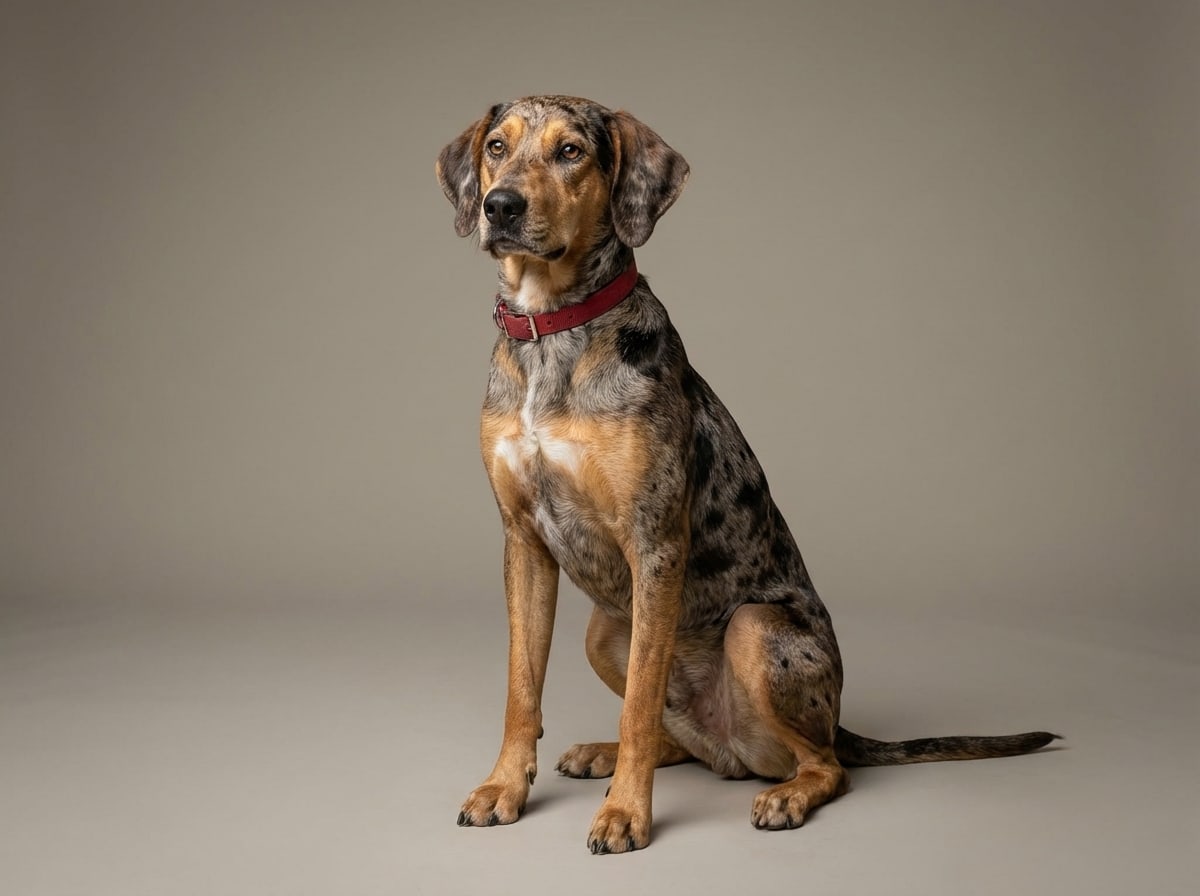
Origin and Recognition
The American Bully, a modern breed developed in the United States, was first standardized and recognized as a breed in 2004 by the American Bully Kennel Club (ABKC). This breed was created from American Pit Bull Terriers and other bully breeds, aiming to produce a companion dog with a stable temperament. Despite its recognition by the ABKC, the American Bully is not recognized as a separate breed by major international kennel clubs, including the UK Kennel Club, the American Kennel Club, and the International Canine Federation. However, it was recognized by the United Kennel Club (UKC) in 2013.
The development of the American Bully began in the 1980s, with the majority of the final behavioral and aesthetic product being completed in the 1990s. This breed was initially created to have a lower prey drive and more "bully" traits than the American Staffordshire Terrier, emphasizing mass and heavy bone structure. The breed's creation was a response to the increasing popularity of the American Pit Bull Terrier and a desire for a dog with a more manageable temperament and appearance.
Physical Characteristics
The American Bully is a compact, muscular breed with a powerfully built body. Males typically weigh between 29-54 kg and stand at 43-51 cm at the withers, while females weigh between 25-45 kg and stand at 41-48 cm. Their coat length is medium, and they exhibit a high level of friendliness, shedding at a medium rate, and medium energy levels. Despite their muscular build, the American Bully is known for its gentle, affectionate nature and loyalty to family. The breed's physical characteristics include a broad head, a strong jaw, and a muscular body that is well-proportioned to its size.
The breed standard includes four varieties based on height: Standard, Pocket, XL, and Classic. The Pocket variety has males reaching 14-17 inches and females 13-16 inches at the withers, while the XL variety has males 21-23 inches and females 19-22 inches. The Classic variety is lighter-framed but falls within the same height range as the Standard, displaying clearer American Pit Bull Terrier/American Staffordshire Terrier lineage. The breed's variety in size allows for a range of preferences among owners and reflects the breed's diverse genetic background.
Temperament and Behavior
Temperament in adult American Bullies is highly dependent on training. These dogs are confident, gentle, loyal, affectionate, outgoing, and eager to please. They are often described as lapdogs in the home but can excel in sports like weight pull and flirt pole. The breed standard discourages human aggression, but breeders acknowledge that improper handling can lead to dangerous behavior. It's important for owners to ensure proper training and socialization to manage their potential for strength and aggression. This includes teaching bite inhibition and providing adequate exercise to channel their energy positively.
While the breed is not widely recognized internationally, the American Bully Registry has been established to document pedigrees and show the breed against its written standard. The XL Bully lines, in particular, have been noted for their unpredictable aggression towards humans, leading to breed-specific legislation in some countries. The registry helps maintain the breed's integrity and ensures that dogs meet the standards set by the ABKC.
Health Considerations
The American Bully is a relatively new breed, and minimal information is available on its health. However, it is known to have a type of congenital ichthyosis, similar to that found in the American Bulldog, which affects the skin's ability to retain moisture and can lead to scaling and itching. Another condition, mild hip dysplasia, is part of the breed standard for XL-bullies, a condition where the hip joint doesn't fit together perfectly, which can lead to arthritis and lameness. These health issues, along with the breed's potential for strength and aggression, should be considered by potential owners.
Early detection and management of health issues are key to ensuring the well-being of these dogs. Responsible breeders conduct health screenings on their dogs to reduce the incidence of hereditary conditions.
History and Development
The American Bully was developed with the American Pit Bull Terrier as its foundation breed. The APBT has a long-standing history, maintaining a characteristic appearance and temperament for over a century. The American Bully's development involved crossbreeding to create a stockier physique, originally misrepresented as purebred APBTs. Over time, breeders recognized the distinct differences and agreed to classify these dogs as a separate breed. The breed's development was a collaborative effort among breeders who sought to refine the American Pit Bull Terrier's traits to create a more predictable and companionable dog.
The American Bully Kennel Club (ABKC) played a significant role in the breed's recognition, initially acting as a registry for pedigrees and shows. The breed's popularity has grown, despite not being recognized by all major kennel clubs. The ABKC has established a comprehensive standard for the breed, which includes specific requirements for conformation, temperament, and health.
Breed-Specific Legislation
Breed-specific legislation regarding the American Bully exists in various countries due to concerns about the breed's potential for aggression and strength. In Germany, for instance, the Dog Transfer and Import Restrictions Act of 2001 prohibits the import or transfer of certain breeds, including the American Bully. In Ireland, the breed is restricted as a 'Bandog' and must be muzzled and on a lead in public. In the UK, XL Bully dogs were responsible for more than 50% of dog-related human deaths between 2021 and 2023, leading to their inclusion in the Dangerous Dogs Act 1991.
These laws reflect the challenges and responsibilities associated with owning a breed like the American Bully, emphasizing the importance of responsible breeding, ownership, and training. Breed-specific legislation can have significant implications for owners, including restrictions on where the dog can be kept and requirements for insurance and registration.
Buying an American Bully
When considering the purchase of an American Bully, potential owners should research thoroughly. Here is a checklist to consider:
- Check the dog's health clearances and pedigrees to ensure a healthy and responsibly bred dog.
- Understand the breed's potential for strength and aggression and commit to proper training and socialization.
- Be aware of breed-specific legislation in your area and ensure compliance with local laws.
- Be prepared for the commitment of time, effort, and resources required to care for an American Bully.
While the American Bully is not recognized by all kennel clubs, its popularity continues to grow. Potential owners should be realistic about the breed's characteristics, care requirements, and the responsibilities involved in owning such a unique and muscular companion. The decision to adopt an American Bully should be made with careful consideration of the breed's needs and the owner's ability to meet those needs.
Frequently Asked Questions
What is the lifespan of the American Bully?
The average lifespan of the American Bully is about 8-13 years. Good nutrition and regular veterinary care support a healthy life.
What is the temperament of the American Bully?
The American Bully is known for: Confident, Gentle, Loyal, Affectionate, Outgoing, Eager to Please. Its energy level is moderate.
What size and weight is the American Bully?
It is a large dog, typically around Male: 29-54; Female: 25-45 kg as an adult.
Is the American Bully easy to care for?
Reliable grooming and shedding ratings are not available. Routine brushing, ear and dental care, and nail trims are still recommended.
Is the American Bully good with kids and other pets?
Reliable child- and pet-friendliness ratings are not available. Supervised, gradual introductions are recommended.
How much exercise does the American Bully need?
With a moderate energy level, it needs walks, play or training matched to its stamina.
American Bully
Trait Scores
N/A



