Origin and Historical Background
The American Bulldog originated in the United States, developed from the molosser-type dogs brought to the British North American colonies. These ancestors worked on small farms and ranches, evolving into a breed known for its strength and versatility. The breed's roots can be traced back to the early 1800s, with the first documented breeders being in the states of Tennessee and Alabama.
Before the rise of kennel clubs and breed registries in the United States in 1884, there were no formal breed standards. Dogs were categorized based on the location of their parents or masters, forming informal landrace strains. This lack of formal standards allowed for a wide variety of types and sizes within the breed.
Dogs resembling the American Bulldog, known as "pugnaces Britanniae," were mentioned by the ancient Romans. These dogs, believed to be ancestors of the alaunt and later bulldogs, were used in bull-baiting since the 13th century. The first known mention of bulldogs by name came in the 17th century, with breeders developing strains for tasks such as cattle-droving and farm work. Notable figures in the early development of the breed included Andrew Jackson, who owned several American Bulldogs and was known to use them for protection on his plantation.
Breed Standard and Physical Description
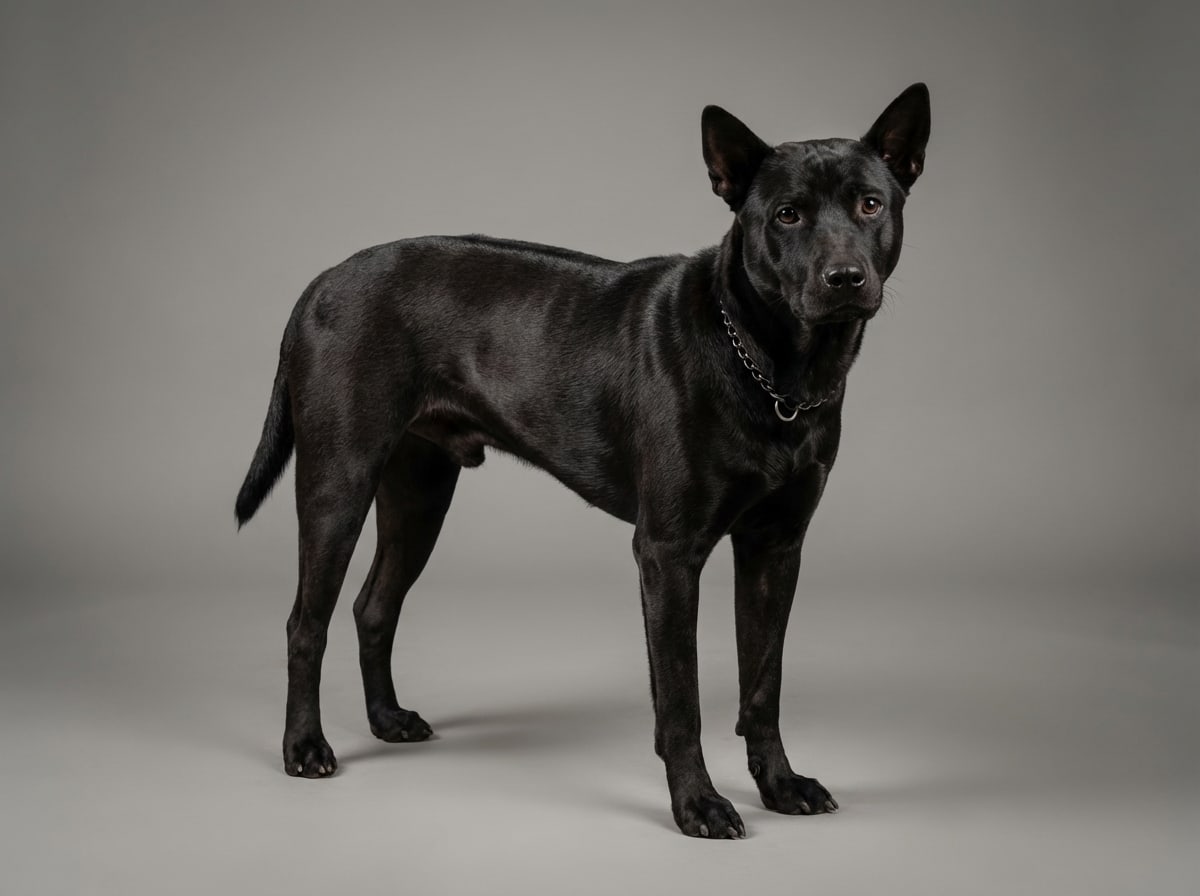
The American Bulldog is a large, muscular breed with a broad head, muscular build, and short, smooth coat. The breed is known for its confidence, strength, and loyalty, making it an excellent family companion and guardian. The breed standard, established by the United Kennel Club in 1936, emphasizes these traits, along with a sound temperament and a natural guarding instinct.
Males typically weigh between 34-45 kg (75-99 lbs) and stand at 56-64 cm (22-25 in) at the shoulder, while females weigh 27-36 kg (60-79 lbs) and stand at 51-58 cm (20-23 in) at the shoulder. These dogs have a high energy level, medium shedding, and require minimal grooming, typically once a week.
The coat colors of American Bulldogs have evolved over time, now including black, red, brown, fawn, and various shades of brindle. Historically, predominantly white dogs with patches of red, black, or brindle were common. Black pigmentation on the nose and eye rims is preferred, and brown eye color is typical, though heterochromia is a cosmetic fault. The breed standard also specifies that the coat should be free from bald spots or excessive matting.
Temperament and Traits
The American Bulldog is confident, loyal, protective, energetic, affectionate, and courageous. These traits make the breed suitable for a variety of roles, from family pets to working dogs. The breed's protective nature is particularly valued, as they are known to alert their owners to potential threats.
Breeding decisions historically focused on temperament and work abilities, rather than bloodline. This has led to a breed that excels in tasks such as farm work, stock protection, and hunting, but also thrives as a companion animal. The breed's versatility is further highlighted by its participation in dog sports such as weight pulling and agility.
Following World War II, the breed was on the brink of extinction. Rescued by John D. Johnson and Alan Scott, the American Bulldog was revived through selective breeding. Scott's Standard or Scott-type American Bulldog and Johnson's Bully type or Classic type are the two primary types recognized today. These types differ in body shape, with the Scott-type being more square and the Bully type being more rectangular.
Health Considerations
While generally healthy, American Bulldogs may be predisposed to certain health conditions. Neuronal ceroid lipofuscinosis (NCL) is a concern, a rare genetic disorder that can lead to neurological problems. The breed also has a predisposition to a range of dermatological conditions including allergic skin disease, ichthyosis, solar dermatosis, and squamous cell carcinoma. Owners should be vigilant for signs of skin issues and seek veterinary care promptly.
Patient records in the US show a predisposition to juvenile-onset demodicosis with a 3.4 odds ratio, a skin condition caused by mites.
Breed Recognition and Popularity
The American Bulldog was first recognized as a breed by the United Kennel Club on January 1, 1999. It was added to the American Kennel Club (AKC) Foundation Stock Service (FSS) in November 2019, indicating its growing acceptance within the dog show community. The breed's registry history reflects its resurgence in popularity, with the number of registered American Bulldogs increasing steadily over the years.
The breed has a notable presence in popular culture, appearing in films like "Tucker & Dale vs. Evil" and "Joe," and in television shows such as "Homeward Bound: The Incredible Journey. " The silhouette of an American Bulldog also features prominently in the logo of the gaming company Zynga, showcasing the breed's appeal beyond traditional dog show circles.
Breed Numbers and Distribution
As of the latest available data, there are approximately 30,000 registered American Bulldogs in the United States. The breed is most popular in the southern and southeastern regions of the country, with a growing presence in other areas. The breed's popularity is also reflected in the number of litters registered each year, which has been on the rise since the 2000s.
Buying an American Bulldog: What to Consider
- Ensure you are purchasing from a reputable breeder who prioritizes health and temperament. Reputable breeders often provide health clearances and a guarantee on their puppies.
- Ensure your home and lifestyle are suitable for a large, powerful dog that requires a secure yard.
- Be prepared for the responsibility of caring for a breed that requires training, socialization, and proper care.
Cost Realism and Long-Term Commitment
Initial costs include the purchase price, which can range from $500 to $2,000 depending on the breeder and the puppy's lineage, vaccinations, and spaying or neutering. Long-term costs include food, grooming, training, veterinary care, and potential health treatments. The breed's lifespan is 10-12 years, making it a long-term commitment for any owner.
Investing in an American Bulldog requires not only financial resources but also time, dedication, and a genuine interest in providing a loving and stimulating home environment. The breed's high energy level and need for exercise mean that owners must be prepared to commit to regular physical activity and mental stimulation.
Frequently Asked Questions
What is the lifespan of the American Bulldog?
The average lifespan of the American Bulldog is about 10-12 years. Good nutrition and regular veterinary care support a healthy life.
What is the temperament of the American Bulldog?
The American Bulldog is known for: Confident, Loyal, Protective, Energetic, Affectionate, Courageous. Its energy level is high.
What size and weight is the American Bulldog?
It is a large dog, typically around Male: 34-45; Female: 27-36 kg as an adult.
Is the American Bulldog easy to care for?
Reliable grooming and shedding ratings are not available. Routine brushing, ear and dental care, and nail trims are still recommended.
Is the American Bulldog good with kids and other pets?
Reliable child- and pet-friendliness ratings are not available. Supervised, gradual introductions are recommended.
How much exercise does the American Bulldog need?
With a high energy level, it needs walks, play or training matched to its stamina.
American Bulldog
Trait Scores
N/A



