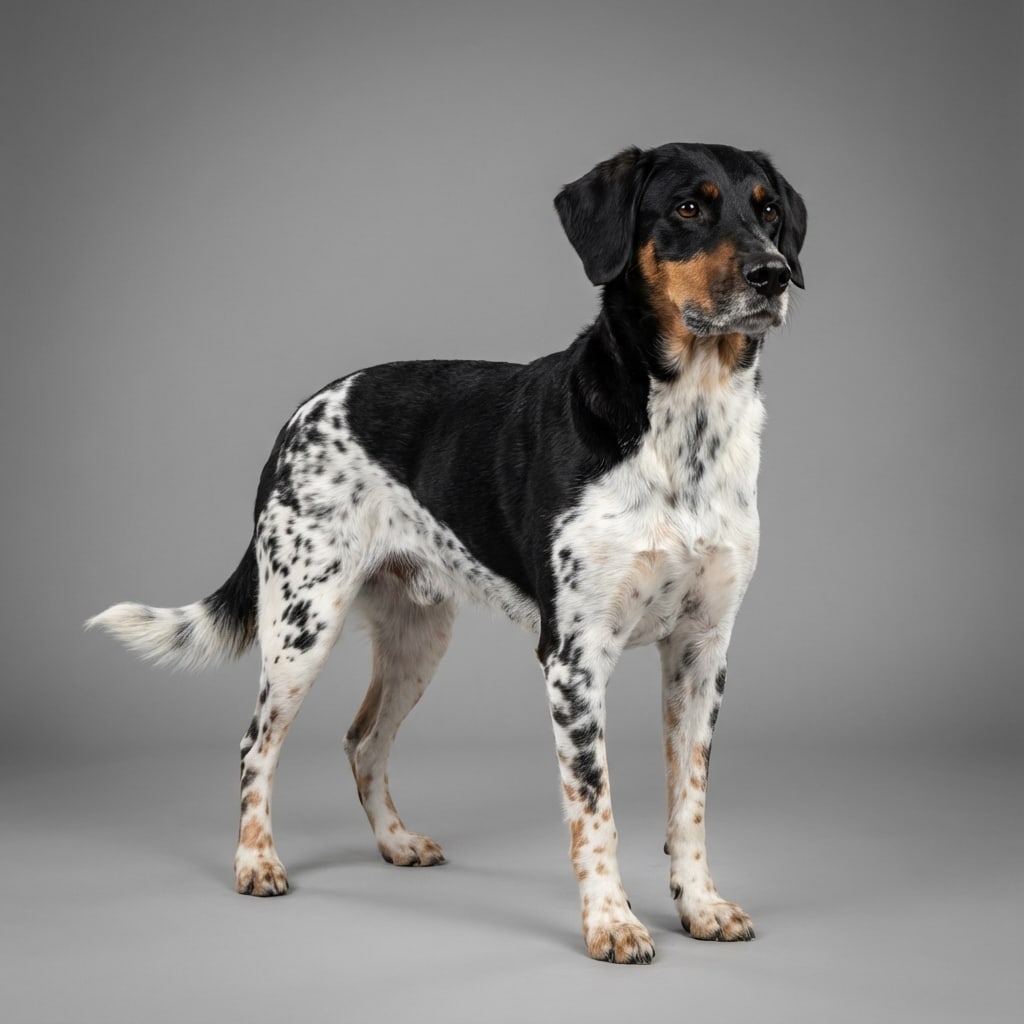
Origin and Development
The Alaskan Husky originated in Alaska, United States, and is a medium-sized working sled dog breed developed for its performance rather than appearance. Unlike breeds developed for show rings, the Alaskan Husky is a result of careful selection for traits such as pulling, endurance, speed, intelligence, appetite, and tolerance of extreme weather conditions.
This breed is not officially recognized by any kennel club and lacks a formal breed standard. It is a blend of various Northern breeds and pointers, optimized for sled racing. DNA studies have shown that Alaskan Huskies share a genetic signature, making them identifiable on DNA breed tests.
Genetic studies indicate that the Alaskan Husky originates from pre-Colonial North American Arctic village dogs, including precursors to the Alaskan Malamute, and Siberian imports, such as the Siberian Husky. European breeds like Pointers, German Shepherds, and Salukis have also been crossbred with these to improve performance. For instance, the Pointer's keen sense of smell and the German Shepherd's strength were traits specifically sought after.
Physical Characteristics
Alaskan Huskies are generally taller than Siberian Huskies and lighter in build than Alaskan Malamutes. They stand between 51 and 66 cm tall and weigh between 16 and 34 kg, with males typically being larger than females.
Distance-type Alaskan Huskies often have denser double coats to better contend with cold temperatures and harsh wind, while sprint lines have shorter coats to allow for greater heat dissipation during races at high speeds. Their tough feet are an important feature and desirable trait for breeding consideration, as they must withstand the rigors of the trail.
Genetic studies have shown that the Alaskan Husky, the Siberian Husky, and the Alaskan Malamute share a close genetic relationship, with the Siberian Husky and Alaskan Malamute contributing significantly to the Alaskan Husky's development through crossing with European breeds. The Alaskan Malamute's thick coat and the Siberian Husky's speed and agility were particularly influential.
Performance and Endurance
Alaskan Huskies are selectively bred for their athletic performance, with a level of athletic ability and anabolic efficiency far greater than the average domesticated dog. They are capable of pulling far greater than their own body weight in load while in harness, often exceeding 100 pounds.
Sprint teams of Alaskan Huskies can reach speeds of up to 28 mph (45 km/h), while distance-specialist teams have completed races of 938 miles (1510 km) in just 8 days, 3 hours, 40 minutes, and 13 seconds, including 40 hours of mandatory rests and other routine rests on the trail. The Iditarod Trail Sled Dog Race, for example, is a well-known endurance test for these dogs.
Studies on the metabolic capabilities of working Alaskan Husky sled dogs reveal that their system transitions to utilization of low-glucose energy sources early on during long periods of travel, and their reliance on these low-glucose fuels becomes more pronounced after working for longer periods.
Health and Genetic Studies
Alaskan Huskies can be subject to climate or work-specific health conditions, such as temperature-related bronchitis or bronchopulmonary ailments, also known as "ski asthma". These conditions are particularly relevant in racing environments where temperature extremes are common.
In 2020, a study on 4,804 sled dogs training for the Iditarod Trail Sled Dog Race, the majority of which were Alaskan Huskies, found that anti-aging and anti-inflammatory biochemical levels in the dogs increased over time and with training, enhancing their physical and mental abilities until an average of 6.6 years of age. This study provides valuable insights into the health and longevity of the breed.
Despite noted differences in sex, genetic, and age groups in other areas, these differences were not statistically significant and were outside the scope of the study, making the findings scientifically inconclusive despite their observance. Further research is needed to fully understand the health implications of these factors on Alaskan Huskies.
Temperament and Behavior
Intelligence and problem-solving abilities are highly desired in Alaskan Huskies, often marking talented lead dogs. Dogs are expected to read the trail and situation through instincts and experience, and thus superior cognitive abilities are often bred into Alaskan Husky lines. This is particularly important in sled racing, where the lead dog must make strategic decisions.
Mental soundness is also important due to the need for dogs to be in close quarters with other dogs while hooked in the team, handled by people for proper care and transportation, and for dogs on racing teams to perform under environments which include trails crowded with spectators and other dog teams.
History and Evolution
As European traders and settlers arrived in Alaska, they sought local entertainment and turned to racing sled dogs. Indigenous dogs found throughout Alaska were renowned for their great strength and stamina but lacked speed. Various outcrosses to fleeter Old World breeds were utilized to produce faster-running dogs, including Siberian imports who dominated local organized races in Alaska. This period marked the beginning of the Alaskan Husky's evolution.
Since the beginning of the 20th century, various breeders have turned to various outcrosses to produce different lines of racing dogs. Most lines today contain some form of traditional husky heritage in their bloodlines, with Alaskan Malamutes and Siberian Huskies being the most common, although Mackenzie River huskies, Greenland Dogs, and Samoyeds have also been utilized. The diversity in bloodlines contributes to the breed's adaptability and performance.
In the latter half of the 20th century, the primary use of sled dogs shifted from utility to sport, particularly career competitive sled dog racing. To facilitate greater speed for racing sport, various breeds of gundogs and sighthounds have been bred into Alaskan Husky lines, including Pointers, Greyhounds, German Shorthaired Pointers, Salukis, Borzois, Labradors, and Setters; some breeders have even used wolves at various points. These additions have further enhanced the breed's performance and versatility.
Buyer's Checklist and Considerations
They are not suitable for apartment living and require a home with a securely fenced yard to ensure they can exercise adequately and be safe from potential hazards.
Alaskan Huskies are a long-lived breed, with an average lifespan of 10-15 years, so potential owners should be prepared for a long-term commitment. This breed requires consistent care and attention, especially during their active years, to ensure they remain healthy and happy.
Without adequate physical activity, they can become restless and destructive. Owners should be prepared to engage in activities such as running, hiking, or dog sledding to meet their dogs' exercise needs.
Frequently Asked Questions
What is the lifespan of the Alaskan Husky?
The average lifespan of the Alaskan Husky is about 10-15 years. Good nutrition and regular veterinary care support a healthy life.
What is the temperament of the Alaskan Husky?
The Alaskan Husky is known for: Energetic, Intelligent, Work-focused, Athletic, Friendly, Independent. Its energy level is high.
What size and weight is the Alaskan Husky?
It is a large dog, typically around Male: 17-27; Female: 16-25 kg as an adult.
Is the Alaskan Husky easy to care for?
Reliable grooming and shedding ratings are not available. Routine brushing, ear and dental care, and nail trims are still recommended.
Is the Alaskan Husky good with kids and other pets?
Reliable child- and pet-friendliness ratings are not available. Supervised, gradual introductions are recommended.
How much exercise does the Alaskan Husky need?
With a high energy level, it needs walks, play or training matched to its stamina.
Alaskan Husky
Trait Scores
N/A