Origin and Recognition
The Akbash dog hails from the western Anatolian region of Turkey, where it has been used as a livestock guardian dog for centuries. This region, characterized by its diverse landscape and harsh winters, shaped the Akbash's sturdy physique and resilient temperament. Its distinctive white coat, which helped shepherds identify it from predators in the vast Turkish plains, contributed to its name, derived from "akbaş," meaning "white head. " In 2006, the Turkish Ministry of Agriculture and Rural Affairs officially recognized the Akbash as a native breed, a pivotal moment for the breed's preservation. It is managed by the Köpek Irkları ve Kinoloji Federasyonu, the Turkish dog breed society, which plays a crucial role in the breed's registration and standardization.
This breed was established through a standard published by the Turkish Standards Institution in 2002, marking the first official documentation of the breed's characteristics.
Physical Characteristics
The Akbash is a large, powerful dog, with males typically weighing between 41 and 64 kilograms (90 to 140 pounds) and females ranging from 34 to 48 kilograms (75 to 106 pounds). Their substantial size and strong build make them formidable guardians. Males stand at 71 to 86 centimeters (28 to 34 inches) at the shoulder, while females are slightly shorter at 69 to 81 centimeters (27 to 32 inches). Their height and weight ratios contribute to their robust and protective appearance, essential for their role as livestock guardians.
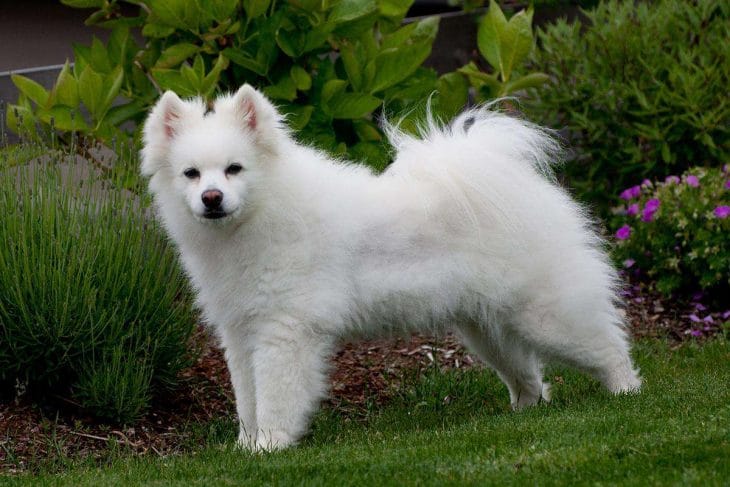
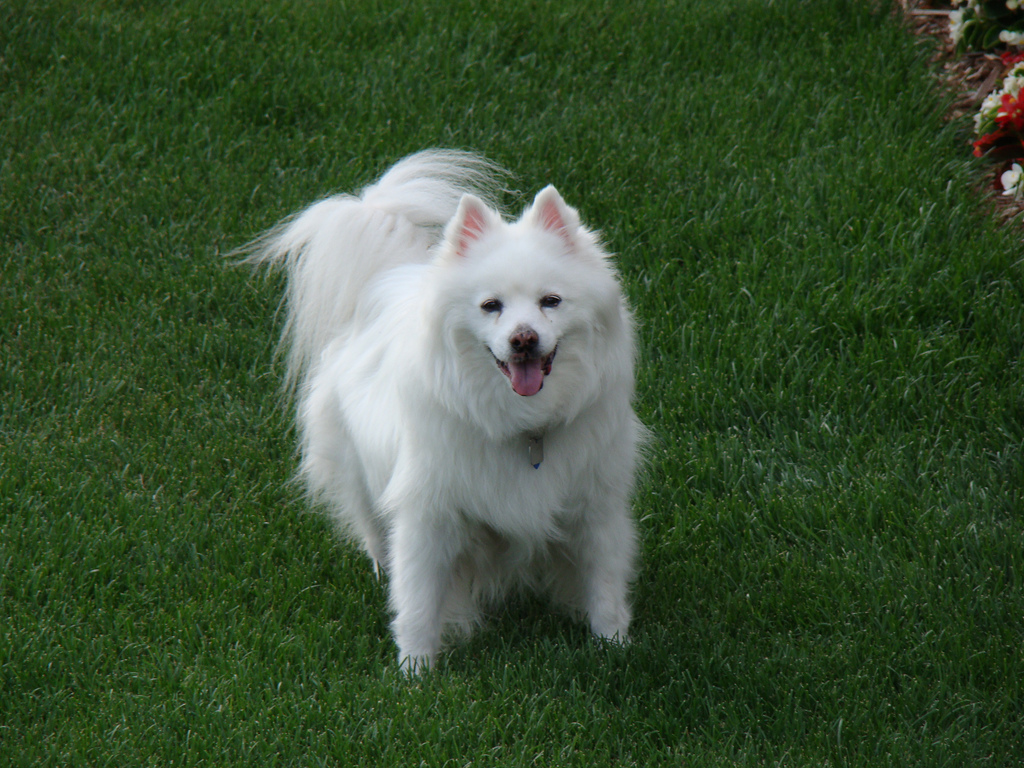
Its coat is medium in length, double-layered, and predominantly white, though it may exhibit some shading towards a biscuit color. This distinctive coloring is a result of selective breeding over centuries, aiming to create a dog that could blend into the environment and effectively deter predators. The Akbash is well-known for its heavy feathering behind the legs and its heavily feathered tail, which adds to its overall robust and protective appearance, reinforcing its guardian role.
Temperament and Personality
It is calm and alert, capable of maintaining a watchful presence over its flock without excessive excitement or anxiety. Loyal and intelligent, this breed requires a confident handler who can assert its leadership while also providing affection and attention. This dual need for firm leadership and gentle care makes the Akbash a complex yet rewarding companion.
Its temperament makes the Akbash an excellent choice for those seeking a guardian dog that can work independently and maintain a low energy level. Despite its protective nature, the Akbash is not overly friendly or aggressive with strangers, which contributes to its effectiveness in a flock setting. This selective social behavior is a result of its centuries-long role as a livestock guardian, where the breed has honed its instincts to differentiate between friends and foes.
Breeding and Purpose
The primary purpose of the Akbash is as a guardian, and it is specifically bred for this role. This breed has no herding ability but excels in protecting flocks from predators, a task it performs in the rugged terrain of its native region. Its size, strength, and protective instincts make it an ideal candidate for this role. The breed's ability to navigate difficult landscapes and withstand harsh conditions has been refined through generations of natural selection and selective breeding.
The Akbash's recognition as a native breed and its role in livestock protection have contributed to its preservation in Turkey, where it remains an essential part of traditional shepherding practices. The breed's importance to Turkish culture is reflected in its widespread use and its official recognition by the government, ensuring its future as a guardian breed.
Lifespan and Health Considerations
The Akbash has a lifespan of 10 to 12 years, which is average for a large breed. While the reference text does not specify any particular health conditions, owners should be prepared for the possibility of issues that are common in large breeds, such as hip dysplasia or certain heart conditions.
Other potential health issues include bloat, which can be life-threatening, and entropion, a condition where the eyelids roll inwards, potentially irritating or damaging the eyes.
Care and Maintenance
While the shedding level is described as medium, owners may notice increased shedding during certain times of the year, such as during seasonal changes. The Akbash's coat may also require periodic trimming, especially if it becomes matted or tangled.
Exercise is also important for this breed, though its low energy level means that it does not require excessive activity. Daily walks and opportunities to roam are sufficient to keep an Akbash healthy and happy. Mental stimulation, through activities such as training exercises and interactive play, is also important for maintaining the breed's intelligence and reducing potential behavioral issues.
Training the Akbash can be challenging due to its high intelligence and independent nature. Training should be consistent, positive, and rewarding, focusing on reinforcing good behavior and setting clear boundaries. Patience and perseverance are key, as the breed may take longer to respond to training commands due to its independent streak.
Living with an Akbash
Living with an Akbash requires an understanding of its temperament and purpose. This breed is best suited for individuals or families who are comfortable with a guardian dog that requires a strong, confident handler. The Akbash's protective instincts may be strong, but it is not overly aggressive and can be affectionate with its trusted family members. This dual nature requires a balance of firmness and affection to create a harmonious living environment.
The Akbash's large size and protective nature make it a good match for rural or suburban settings where it can have access to open spaces for exercise and the ability to patrol its territory. However, due to its low energy level, it may not be the best choice for highly active families or those seeking a dog that will engage in continuous play.
Buyer's Checklist
- Experience with large breed dogs
- Understanding of guardian dog temperament
- Access to a secure and open area for exercise
- Willingness to provide consistent, positive training
- Understanding of the breed's dietary and nutritional needs
Frequently Asked Questions
What is the lifespan of the Akbash?
The average lifespan of the Akbash is about 10-12 years. Good nutrition and regular veterinary care support a healthy life.
What is the temperament of the Akbash?
The Akbash is known for: Independent, Protective, Calm, Alert, Loyal, Intelligent. Its energy level is low.
What size and weight is the Akbash?
It is a large dog, typically around Male: 41-64; Female: 34-48 kg as an adult.
Is the Akbash easy to care for?
Reliable grooming and shedding ratings are not available. Routine brushing, ear and dental care, and nail trims are still recommended.
Is the Akbash good with kids and other pets?
Reliable child- and pet-friendliness ratings are not available. Supervised, gradual introductions are recommended.
How much exercise does the Akbash need?
With a low energy level, it needs walks, play or training matched to its stamina.
Akbash
Trait Scores
N/A