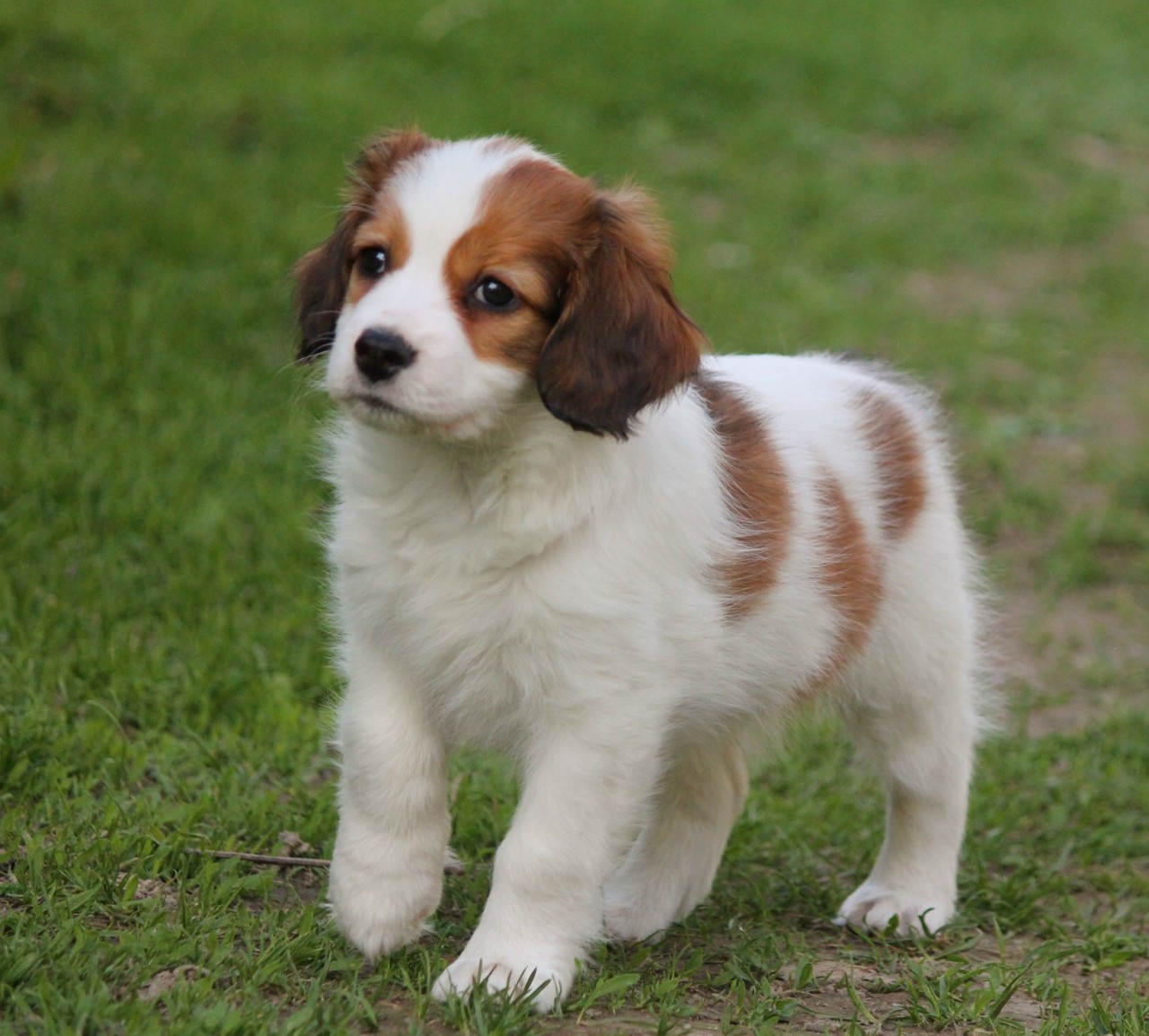
Puppy Neonatal Warmth & Feeding Guide
Imagine discovering a newborn puppy shivering in a cold, drafty corner of your home, its tiny body trembling with the need for warmth. This scenario underscores a critical fact: neonatal puppies, those under two weeks old, require a meticulously controlled environment to thrive. A common misconception is that puppies can regulate their body temperature like older dogs, but this is far from the truth. In reality, their developing metabolism cannot yet maintain a stable temperature, making them highly susceptible to hypothermia or heat stress. Ensuring they are kept within the ideal range of 85°F to 90°F (29°C to 32°C) for the first two weeks, and gradually adjusting to 75°F to 80°F (24°C to 27°C) by the fourth week, is essential for their survival and healthy development. Neglecting this need can have devastating consequences, highlighting the importance of proactive care.
Importance of Neonatal Puppy Warmth
Neonatal puppies are particularly sensitive to temperature fluctuations, as their body temperatures are not yet regulated by their own metabolism. The impact of temperature on puppy growth is profound; a temperature that is too low can lead to hypothermia, which can be fatal, while a temperature that is too high can cause heat stress and inhibit proper development. The appropriate range for neonatal puppies is between 85°F and 90°F (29°C to 32°C) for the first two weeks of life. This range gradually decreases to 75°F to 80°F (24°C to 27°C) by the fourth week. Maintaining this temperature is crucial for healthy growth, as it ensures proper digestion, immune system development, and overall well-being. A deviation of more than 2°F (1°C) from the optimal range can significantly impair growth and development.
Ideal Temperature and Adjustment Methods for Neonatal Puppies
The ideal temperature for neonatal puppies varies slightly with their age. For the first week, the temperature should be maintained at 90°F (32°C), then gradually reduced by 5°F (3°C) each week. To achieve and maintain this temperature, a heat lamp or a heating pad can be used, but it is crucial to place it at a safe distance from the puppies to prevent burns. The heat source should be positioned so that the puppies can move closer or further away to regulate their own comfort. It is also important to monitor the temperature with a reliable thermometer placed in the whelping box. If the temperature is too low, additional blankets or a warmer heat source may be needed. Conversely, if the temperature is too high, the heat source should be moved further away or turned off entirely.
Feeding Frequency and Quantities for Neonatal Puppies
Neonatal puppies require frequent feeding to support their rapid growth. The feeding schedule typically consists of 8 to 12 feedings per day, spaced out every 2 to 3 hours. Each feeding should consist of approximately 1 to 2 tablespoons of formula, depending on the puppy's size and appetite. The portion size should be adjusted based on the puppy's weight gain, with an increase in portion size as the puppy grows. The calorie content of the formula should be around 250 to 300 calories per feeding, which is essential for meeting the puppy's energy needs. To calculate the calorie content, one can use a formula that takes into account the protein, fat, and carbohydrate content of the formula. It is important to ensure that the puppies are not overfed, as obesity can lead to health issues later in life.
Transition Period for Changing Puppy Food
The transition period from one type of puppy food to another should last a minimum of 7 days to allow the puppy's digestive system to adjust. During this period, the new food should be gradually introduced into the puppy's existing diet. Start by mixing 25% new food with 75% old food, then increase the ratio to 50/50, and finally to 75% new food and 25% old food. The transition is complete when the puppy is eating only the new food. It is crucial to avoid abrupt changes, as this can lead to digestive issues such as vomiting or diarrhea. Monitor the puppy closely for any signs of discomfort and adjust the transition period if needed.
Nutritional Needs of Neonatal Puppies
Neonatal puppies have specific nutritional needs that must be met to support their growth and development. Protein is essential for muscle and tissue development, and neonatal puppies require a diet that is 22% to 30% protein. Fat is crucial for energy and brain development, and the diet should contain 35% to 45% fat. Carbohydrates provide energy and should make up the remaining 25% to 35% of the diet. These proportions should be maintained to ensure optimal health and growth.
Cleaning and Sanitation Management for Neonatal Puppies
Maintaining a clean environment is crucial for neonatal puppies to prevent infections and maintain their health. The whelping box should be cleaned daily using a mild disinfectant. Start by removing all waste and soiled bedding, then wipe down the box with a solution of 1 part bleach to 30 parts water. Allow the box to air dry before replacing the bedding. It is also important to regularly clean the feeding utensils and the puppy's feeding area. Utensils should be soaked in hot, soapy water for at least 5 minutes and then rinsed thoroughly. The feeding area should be sanitized after each feeding session to prevent cross-contamination.
Vaccination Schedule for Neonatal Puppies
Neonatal puppies should receive their first vaccination at 6 weeks of age, which typically includes a combination vaccine against distemper, parvovirus, hepatitis, and parainfluenza. This initial dose is crucial for providing passive immunity from the mother's antibodies. Subsequent vaccinations should be administered at 9 and 12 weeks, with each dose spaced 3 weeks apart. The final puppy vaccination, which includes the rabies vaccine, should be given at 16 weeks. It is important to follow the recommended schedule to ensure the puppy develops a robust immune response. Vaccinations should be administered by a veterinarian, who will also provide guidance on booster shots and any additional vaccines specific to the puppy's environment and risk factors.
Common Issues and Prevention for Neonatal Puppies
Neonatal puppies are susceptible to diarrhea, which can be caused by a variety of factors including improper feeding, stress, or infection. To prevent diarrhea, it is essential to use a high-quality, age-appropriate puppy formula and to avoid abrupt changes in diet. The feeding area should be kept clean and dry. For colds, which can be caused by viral infections, it is important to maintain a warm environment and to prevent the puppy from becoming chilled. If a puppy shows signs of a cold, such as sneezing or a runny nose, it should be isolated from other puppies to prevent the spread of the virus. Regular monitoring of the puppies' health and prompt veterinary care for any signs of illness are key preventive measures.
Key Environmental Setup for Neonatal Puppies
The ideal temperature for neonatal puppies is between 85°F and 90°F for the first week, gradually decreasing to 75°F by the fourth week. The humidity should be maintained between 55% and 75%. A heating pad set on low can be used to provide warmth, but it should be covered with a towel to prevent burns. The whelping box should be placed in a quiet, draft-free area away from direct sunlight. Puppies should be allowed to move freely within the box to regulate their own body temperature. Natural light is preferable, but if artificial light is used, it should be consistent and not too bright. Regular monitoring of the environment with a thermometer and hygrometer is necessary to ensure the conditions are optimal for the puppies' health and development.
Parental Care Considerations for Neonatal Puppies
It is crucial for the mother to maintain a clean environment to prevent infections. The nesting area should be sanitized before the puppies arrive. The mother should be fed a high-quality puppy milk replacer powder, mixed according to the manufacturer's instructions, to ensure she produces sufficient milk. The dosage should be adjusted based on the mother's size and the number of puppies. Feeding should be done every 2-3 hours, starting within the first hour after birth. The puppies should be weighed at birth and every other day thereafter to monitor their growth. If a puppy is not gaining weight, additional feedings may be necessary. The mother should be observed for signs of mastitis, an infection of the mammary glands, which requires immediate veterinary attention. The puppies should be stimulated to urinate and defecate every 2-3 hours, and this should be done gently to avoid injury. The mother should be encouraged to clean her puppies, as this is essential for their survival. Any signs of neglect or illness in the puppies should be addressed promptly. It is important to keep a record of each feeding and elimination to monitor the puppies' health and development. The mother should have access to fresh water at all times. The puppies should be introduced to solid food gradually, starting around 3-4 weeks of age, with a mixture of puppy food and water. The amount of solid food should start with a teaspoon and gradually increase to an ounce by the time they are 6-8 weeks old.