Understanding Pets: A Beginner's Overview

What Counts as a Pet
A pet is a companion animal kept for company, enjoyment, and mutual care. The definition is broad, and the range of animals people keep is far wider than most beginners realize. Dogs and cats dominate households worldwide, but rabbits, guinea pigs, hamsters, birds, fish, and reptiles all have devoted owners—and each comes with needs that are very different from the others.
The most common mistake new owners make is assuming that a "small" or "simple" animal is an easy one. Small animals are frequently the hardest to care for correctly, because their needs are specific, their margin for error is narrow, and their distress is easy to miss. Choosing well begins with understanding what each species actually requires.
Dogs
Social, active, and intensely bonded to their people, dogs are the most demanding common pet in terms of daily time. They need exercise, training, mental stimulation, routine veterinary care, and—critically—company. A dog left alone for ten hours a day, every day, is a dog at risk of behavior problems regardless of how much it is loved.
Dogs are also the most rewarding for owners who want an interactive companion: they can be trained, taken places, and included in daily activities. The diversity within the species means almost any lifestyle can be matched with an appropriate dog—if the match is made honestly. Lifespan varies enormously with size, from around eight years in giant breeds to fifteen or more in small ones.
Cats
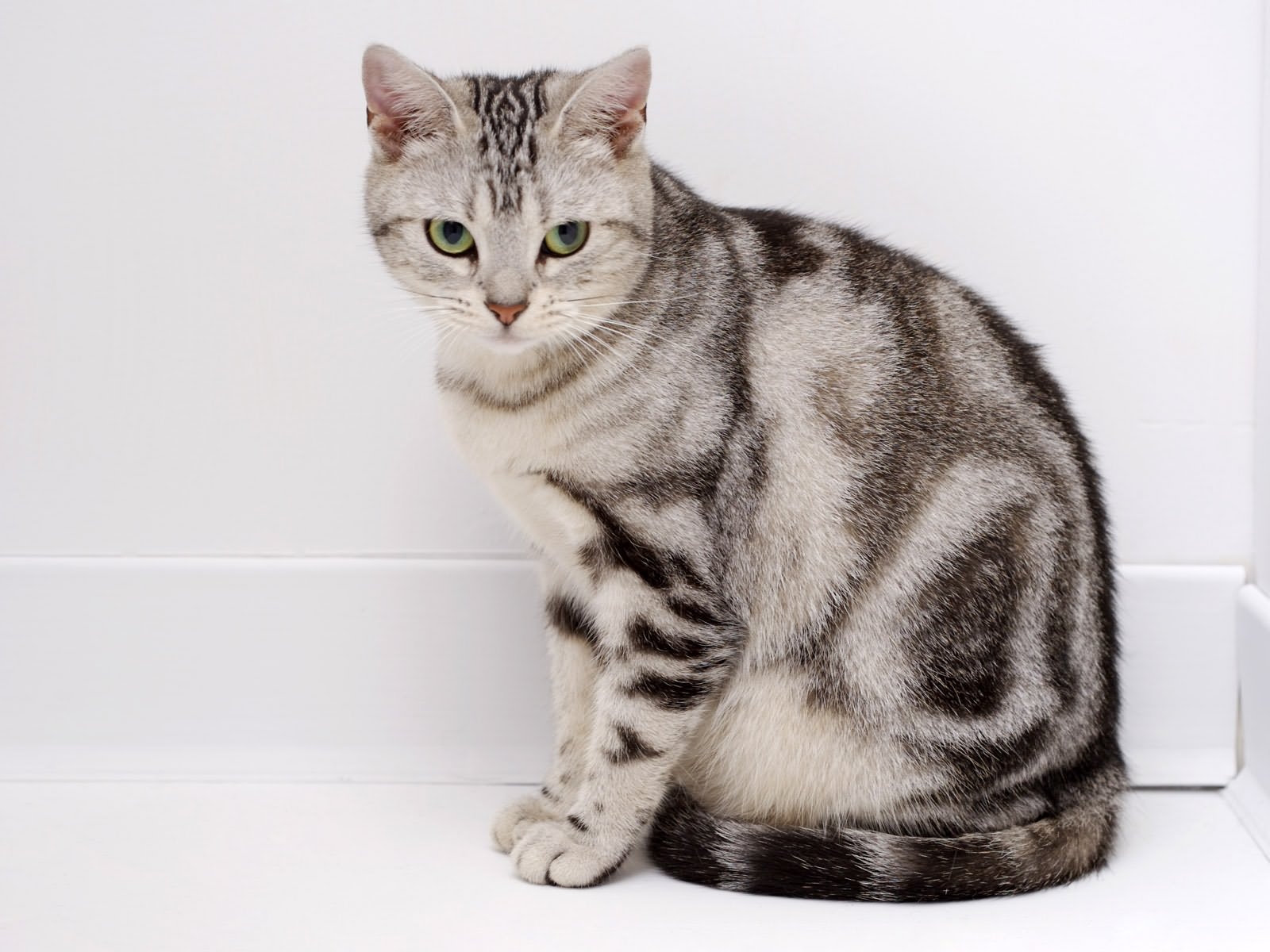
Independent yet affectionate, cats adapt more readily to apartments and to owners who work long hours. They are not low-maintenance, however. Cats need litter box management, scratching outlets, vertical space, daily interactive play, and regular veterinary care. Their reputation for self-sufficiency leads many owners to under-stimulate them, which produces obesity, stress, and behavior problems.
Cats are also masters at hiding illness, a survival instinct from their wild ancestry. This makes preventive care more, not less, important: by the time a cat looks sick, it has often been sick for some time. Indoor cats commonly live twelve to eighteen years.
Small Mammals: Rabbits, Guinea Pigs, and Hamsters
This group is where beginner expectations diverge most sharply from reality.
- Rabbits are social, intelligent, and need far more space than a cage—many welfare guidelines now recommend free-roaming or large pen setups. They require constant access to hay, a specific diet, and, ideally, the company of another rabbit. They are not a good "starter pet" for a child.
- Guinea pigs are also social and should be kept in pairs. They cannot synthesize vitamin C and require a dietary source daily—a deficiency causes serious illness. Like rabbits, they need hay-based diets and significant floor space.
- Hamsters are the opposite: solitary animals that must be housed alone, and nocturnal, meaning they are most active when children are asleep. They need large enclosures with deep bedding and exercise wheels, not the small cages sold in pet stores.
All three are prey animals that hide pain effectively. A small mammal that stops eating for a day is an emergency, not a mood.
Birds
Birds are highly intelligent, deeply social, and often far more sensitive than their owners expect. Many species are flock animals in the wild, and a solitary bird in a small cage can develop feather-plucking and other stress behaviors. Birds need space to move, social interaction, mental stimulation, and careful attention to diet—seed-only diets cause serious nutritional disease in parrots. They are also long-lived: some parrots outlive their owners, which is a commitment few adopters plan for.
Fish
Fish are often marketed as a beginner's pet, and this is where the greatest number of animals suffer. A fish tank is a life-support system, not a bowl of water. It requires a nitrogen cycle to be established before fish are added, correct temperature and water chemistry for the species, regular partial water changes, and appropriate filtration and lighting. Selecting compatible species and avoiding overstocking matters enormously. Done properly, an aquarium is a rewarding and genuinely low-interaction hobby; done carelessly, it becomes a slow tragedy.
Reptiles
Reptiles are the least interactive common pets but have some of the most precise environmental requirements. Most need a carefully controlled temperature gradient—a warm basking zone and a cooler retreat—so they can regulate their own body temperature. Many require full-spectrum UVB lighting to synthesize vitamin D and absorb calcium; without it, they develop metabolic bone disease. Humidity, substrate, and diet vary by species and must be researched accurately. Their needs are non-negotiable in a way that dogs' and cats' often are not.
The Commitment Behind Every Species
Whatever the animal, several costs are universal: food, appropriate housing, species-specific equipment, routine veterinary care, and unexpected medical treatment. Dogs and cats typically see a veterinarian annually; exotic pets often need a specialist, which is more expensive and sometimes harder to find.
Then there is the time commitment. The animals most often rehomed are not the ones that were expensive, but the ones whose daily needs were underestimated.
Matching an Animal to Your Life
| Factor | Consider |
|---|---|
| Space | Fish and reptiles need less floor space but precise equipment; dogs need room and exercise |
| Time | Dogs need hours daily; cats less; fish and reptiles mostly maintenance |
| Interaction | Dogs and birds want engagement; fish and reptiles mostly observation |
| Budget | Large dogs and parrots are expensive long-term; exotic pets need specialist vet care |
| Allergies | Cats, dogs, birds, and small mammals all produce allergens |
| Children | Prey animals and fragile pets are usually poor fits for young children |
Where to Begin
Research the specific species, not just the category. Talk to owners, read care guides written for that animal, and prepare the habitat before bringing it home. Adopting from a shelter or rescue gives a home to an animal that needs one, and rescue staff often know the individual animal's temperament. Most importantly, match the animal to the life you actually live—not the one you imagine you will have.
Frequently Asked Questions
Which pet is best for a first-time owner?
It depends more on the time you can give daily than on the species. Guinea pigs and rats are sociable and forgiving, but need daily handling and large, clean enclosures. A single cat suits a busy household better than most small mammals, provided enrichment needs are met. Fish are not low-maintenance once the nitrogen cycle and water changes are accounted for.
Do rabbits need a companion?
Rabbits are highly social and generally do far better in compatible pairs, ideally a neutered male and a female. A single rabbit kept alone requires a great deal of human contact to compensate, and a solitary rabbit in a hutch with no company is a welfare problem rather than a neutral choice.
Do guinea pigs need vitamin C supplements?
Yes. Like humans, guinea pigs cannot synthesise their own vitamin C and must obtain it from the diet. Deficiency causes joint swelling, poor coat condition, and impaired healing. Provide a diet based on grass hay with a fortified pellet and fresh vegetables rich in vitamin C, and check the pellet's expiry date, since the vitamin degrades over time.
Can hamsters be kept in pairs?
Generally no. Syrian hamsters are strictly solitary and will fight, sometimes fatally, once mature. Some dwarf species can live in same-sex groups if introduced young and given ample space, but the safe default for a pet hamster is one animal per enclosure with a solid floor and deep bedding.