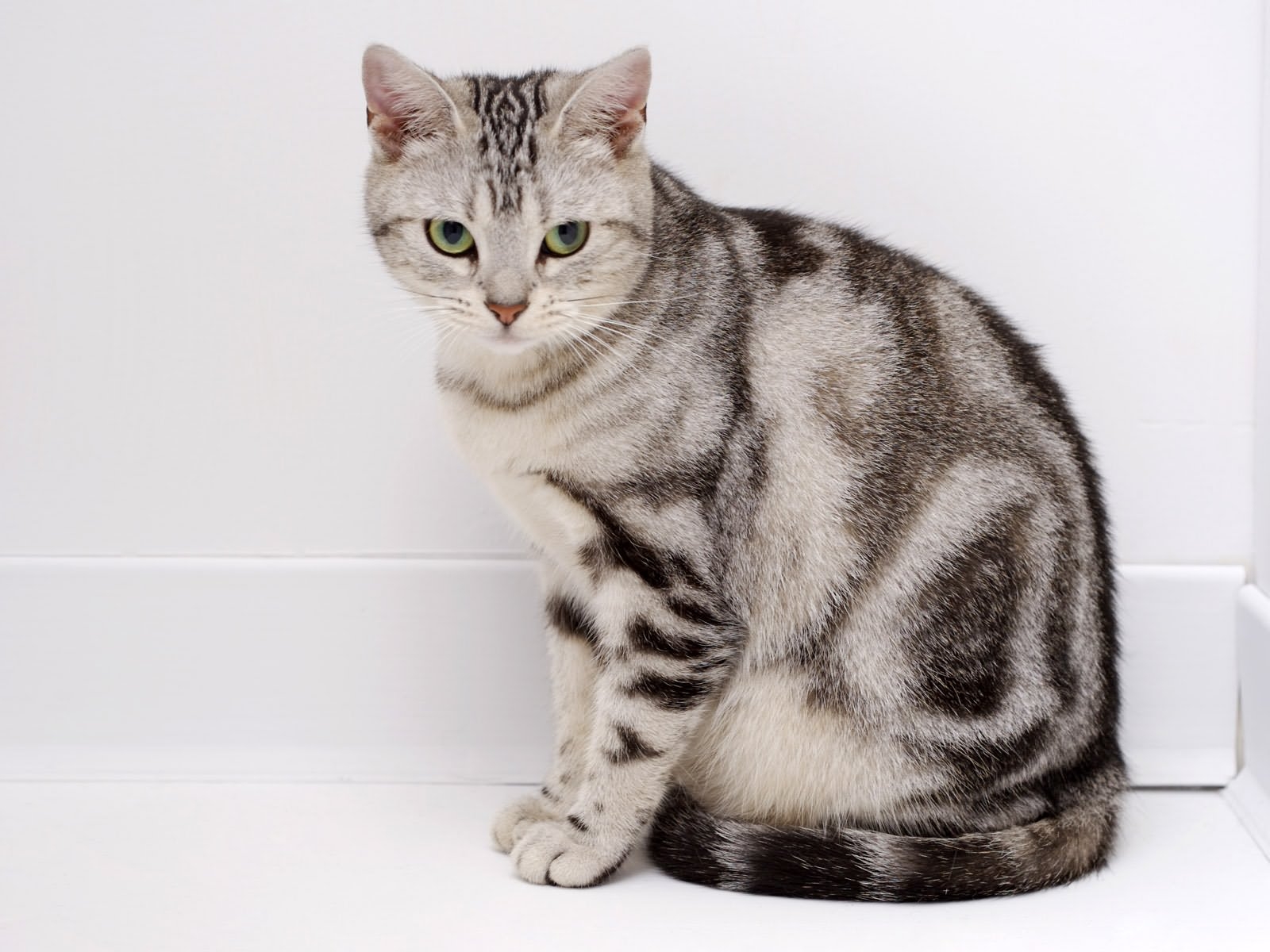
Foods That Are Toxic to Pets: A Complete Safety Guide

Why This List Matters More Than Any Other
Most pet emergencies that reach a clinic are not accidents in the sense of being unpredictable. They are the result of a dog finding a handbag, or a cat brushing against a bouquet. The gap is almost never carelessness—it is that owners do not know which ordinary household items are dangerous, how the danger actually works, and what to do in the first half hour.
This guide is organised by how each substance harms the body rather than as a flat list. Grouping them this way makes them easier to remember and makes the emergency response obvious, because the mechanism tells you which organs are at risk and how fast the clock moves.
Group One: Substances That Attack Specific Organs
Chocolate
Chocolate contains two methylxanthines—theobromine and caffeine—that stimulate the heart and central nervous system and cannot be metabolised quickly by dogs or cats. Theobromine is the more significant of the two, and its concentration varies enormously by product:
| Product | Approximate theobromine | Risk for a 10 kg dog |
|---|---|---|
| White chocolate | ~0.25 mg/g | Very low; fat and sugar are the bigger issue |
| Milk chocolate | ~2 mg/g | Mild signs above roughly 100 g |
| Dark chocolate (70%) | ~10 mg/g | Serious above roughly 20 g |
| Cocoa powder | ~20 mg/g | Serious above roughly 10 g |
| Baker's chocolate | ~16 mg/g | Serious above roughly 12 g |
Early signs appear within two to four hours: vomiting, restlessness, and a racing heart. As the dose rises, muscle tremors, arrhythmia, and seizures follow. There is no home remedy. Inducing vomiting is only useful within the first hour or two and should be done by a veterinarian, not with salt or hydrogen peroxide at home—both have caused more harm than the chocolate.
Grapes and Raisins
The mechanism here remains genuinely unknown, which is precisely why the advice is so absolute. Some dogs eat a single raisin and develop acute kidney injury; others eat far more and show nothing. There is no established safe dose, and no test that predicts which dog will be affected. Raisins are more concentrated than grapes, and dried fruit in baked goods is easy to overlook. Treat any ingestion as an emergency, regardless of quantity.
Xylitol
This sugar alcohol, common in sugar-free gum, mints, some peanut butters, and certain dental products, triggers a massive insulin release in dogs. Blood sugar can collapse within thirty minutes, producing weakness and collapse, and liver failure may follow over the next twenty-four to seventy-two hours. A single stick of gum can be enough for a small dog. Note that xylitol is far less toxic to cats.
Onions, Garlic, Leeks, and Chives
All members of the allium family contain organosulfur compounds that oxidise red blood cells, causing them to rupture. Toxicity accumulates rather than arriving in one dose, so a small amount of leftovers several days running can produce anaemia that appears only days later. Cooking does not destroy the compounds, and neither does drying—onion powder is more concentrated than fresh onion by weight.
Group Two: Substances That Attack the Nervous System
Alcohol is absorbed rapidly and acts on the same receptors as it does in humans, but at a fraction of the body weight. A few tablespoons of beer is a serious dose for a small dog. Signs progress from unsteadiness and vomiting to slowed breathing, hypothermia, and coma.
Cannabis ingestion has risen sharply with edible products. Animals typically present with urinary incontinence, wobbling, dilated pupils, and exaggerated startle responses. Fatalities are rare but the presentation is alarming, and edible chocolate products combine two toxicities.
Group Three: Foods That Are Dangerous by Shape
Not every risk is chemical. Cooked bones splinter into sharp fragments that can perforate the gut. Corn cobs are a classic cause of intestinal obstruction because they are rigid, indigestible, and exactly the wrong size for the small intestine. Peach and plum stones combine obstruction risk with cyanide-containing kernels. Fat trimmings merit their own note: a sudden high-fat meal can trigger pancreatitis, an inflammation that is painful, sometimes life-threatening, and often recurrent once it has happened.
What Is Different for Cats
Cats add several risks that do not apply to dogs:
- Lilies. Every part of the plant—petals, leaves, pollen, even the water in the vase—can cause acute kidney failure in a cat. A few grains of pollen groomed off the coat may be enough. This is among the most lethal common household exposures.
- Essential oils. Tea tree, citrus, peppermint, eucalyptus, and wintergreen are all poorly metabolised by cats, whose livers lack the relevant enzymes. Diffusers and topical products both count.
- Permethrin flea products. Concentrated permethrin spot-ons designed for dogs are lethal to cats. Never apply a dog product to a cat, and keep treated dogs separate until the product has dried.
- Onions and garlic are more toxic to cats than to dogs per kilogram, and cats are also more likely to develop Heinz body anaemia.
The First Thirty Minutes
What you do immediately shapes the outcome more than what the clinic does later.
- Remove access and secure the packaging or a sample. Identification of the substance and the amount is the single most useful thing you can bring.
- Do not induce vomiting unless a veterinarian instructs you to. Vomiting is dangerous after ingesting caustic substances, sharp objects, or petroleum products, and it is useless hours later.
- Call a veterinarian or a pet poison helpline immediately, even if the animal looks normal. Many of these toxins produce no signs for hours, and the window for effective decontamination is short.
- Note the time of ingestion and the animal's weight in kilograms. Emergency doses are calculated from these two numbers.
- Bring the packaging, not a photograph of it. Ingredient concentrations differ between brands and between sugar-free and regular versions of the same product.
Three Myths Worth Retiring
"Milk is a safe treat." Most adult cats and many dogs are lactose intolerant. Milk adds diarrhoea to whatever problem you are already managing, and it neutralises nothing.
"A little bit is fine." True for some substances at some weights, false for others. Grapes, xylitol, and lilies have no reliably safe dose, and the difference between those categories is not something to guess at.
"Activated charcoal fixes poisoning." Charcoal adsorbs some toxins but not others, and giving it at home can obscure the picture for the veterinarian who arrives later. It is a clinical decision, not a household one.
Prevention, Which Is the Real Answer
The most effective measures are unglamorous. Store all medication, gum, and chocolate in closed containers the animal cannot reach. Brief visitors on what not to feed, since the majority of poisoning cases involve a well-meaning guest. Choose plants with the household in mind—lilies have no place in a home with cats, regardless of how high the shelf is. Keep the pet poison helpline number beside your veterinarian's in your phone, before you need it.
Conclusion
Toxicology rewards preparation and punishes improvisation. Knowing the mechanism matters because it tells you which organ is under attack and how quickly the situation will evolve. Knowing the correct first response matters more, because the decisions made in the first thirty minutes are the ones that most reliably change the outcome.
Frequently Asked Questions
How much chocolate is dangerous for a dog?
Toxicity depends on the type of chocolate and the animal's weight. Milk chocolate becomes a concern at roughly 100 g for a 10 kg dog, dark chocolate at around 20 g, and cocoa powder or baker's chocolate at around 10 g. Signs appear within two to four hours and include vomiting, restlessness, and a racing heart.
Should I make my pet vomit after eating something toxic?
Only on a veterinarian's instruction. Inducing vomiting is dangerous after swallowing caustic substances, sharp objects, or petroleum products, and it is useless hours after ingestion. Never use salt or hydrogen peroxide at home—both have caused more harm than the original exposure.
Are lilies really dangerous to cats?
Yes. Lilies are among the most lethal common household exposures for cats. Every part of the plant can cause acute kidney failure, including the petals, the leaves, the pollen, and the water in the vase, and a few grains of pollen groomed off the coat may be enough. There is no safe amount.
Can pets eat grapes or raisins in small amounts?
No. The mechanism of grape and raisin toxicity is unknown, no safe dose has been established, and individual dogs vary enormously—some develop acute kidney injury from a single raisin. Treat any ingestion as an emergency regardless of quantity.
What should I bring to the vet after a suspected poisoning?
Bring the original packaging rather than a photograph, along with the time of ingestion and the animal's weight in kilograms. Emergency doses are calculated from the substance's concentration and the animal's weight, and concentrations differ between brands and between sugar-free and regular versions of the same product.