Matching Pet Activity Levels to Home Structures
Assessing Pet Activity Levels
To accurately assess your pet's activity level, begin by observing their daily routine. Measure the duration and intensity of their physical activities. A high-energy dog, for instance, may engage in at least 60 minutes of vigorous play or exercise daily. Monitor their energy levels during different times of the day to identify patterns. Energy expenditure can be estimated by observing their behavior; a highly active pet will display signs such as constant movement, barking, or digging. Additionally, consider their rest periods; a well-rested pet will have a more consistent energy level throughout the day. Key indicators to look for include their appetite, sleep patterns, and interactions with family members. A high-activity pet may eat more, sleep less, and be more interactive with their owners.
Understanding Household Structures
Household structures vary significantly in terms of the time, space, and resources available for pet care. In a single-person household, the pet may have more undivided attention but less interaction with other pets or children. This can lead to a higher activity level and a need for more mental stimulation. In a couple household, the pet might benefit from regular walks and playtime, but the structure can be more unpredictable. For multi-child families, the pet often becomes part of the family dynamic, receiving varying degrees of attention and involvement. In such households, the pet's activity level may fluctuate based on the number of children and their ages. It's important to consider the frequency of family activities, the availability of a secure outdoor space, and the overall household routine when evaluating the suitability of a pet.
Matching Pet Characters to Home Structures
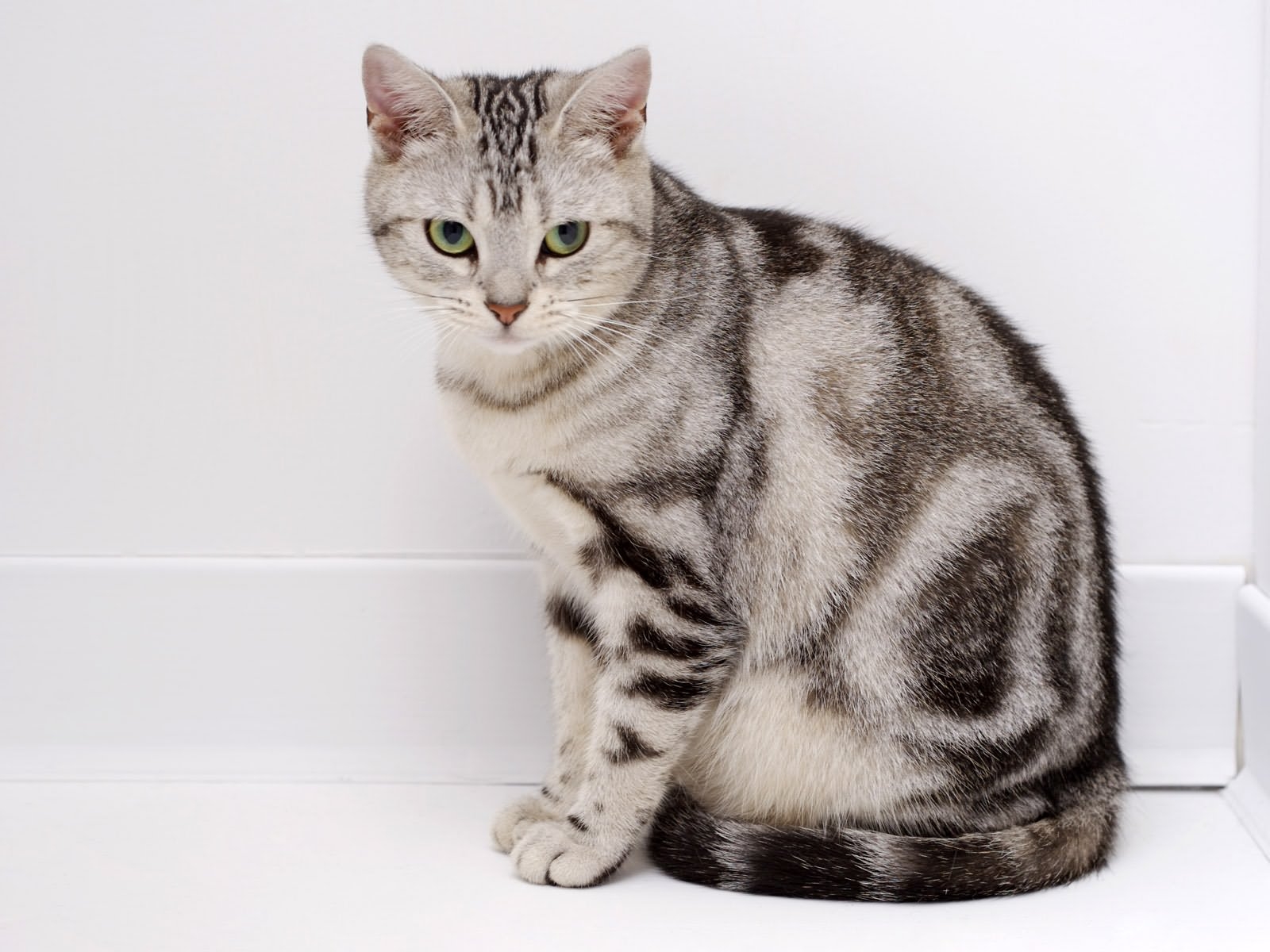
Selecting the right pet character is crucial for a harmonious match with your home structure. For instance, a calm pet like a cat or a less energetic dog breed is ideal for a single-person household with a busy schedule. These pets can be content with shorter periods of interaction and less physical activity. Conversely, a highly active dog breed would thrive in a couple household where both partners are willing to engage in regular exercise and playtime. For multi-child families, a pet that can handle a lot of noise and activity, such as a dog or a cat with a playful nature, would be suitable. However, it's essential to consider the children's ages; younger children may require a more tolerant and gentle pet. In all cases, it's beneficial to conduct a trial period with a potential pet to observe how they interact with the household and adjust their activity level accordingly. This ensures that the pet's needs are met while the household structure can provide a supportive environment for the pet's well-being.
Analyzing Pet Activity Space Needs
When considering the space requirements for pets, it's important to differentiate between indoor and outdoor activities. High-energy pets, such as a Border Collie or an Australian Shepherd, require ample space to run and play. These dogs would benefit from a spacious yard or a daily walk of at least 30 minutes to an hour. For indoor activities, ensure there are safe, sturdy toys for them to play with, such as interactive balls or puzzle toys that can stimulate their minds. Cats, on the other hand, may need less space but should have climbing structures to satisfy their natural instinct to climb. A minimum of two to three vertical feet of climbing space is recommended. Additionally, for both cats and dogs, consider the space needed for regular grooming activities, such as brushing and bathing. Indoor cats should have a litter box in a quiet, private area, while dogs may require a designated grooming area with a dog brush and a set of grooming tools.
Daily Pet Care Tips
To ensure your pet's well-being, establish a daily routine that includes feeding, exercise, and grooming. For feeding, divide their daily food allowance into two meals per day, ensuring that each meal is no more than 10% of their total daily caloric intake. For high-energy dogs, consider a diet with a higher protein content to support their active lifestyle. Cats, on the other hand, may benefit from a diet with moderate protein and high-quality fats. Regular exercise is crucial, with at least 30 minutes of physical activity per day for dogs and 15 minutes of playtime for cats. During exercise, dogs should be on a leash or in a secure area to prevent accidents. Cats should have access to scratching posts to maintain their claws and prevent damage to furniture. Grooming should be done at least twice a week for dogs, focusing on brushing and checking for fleas or ticks. Cats should be brushed weekly, especially if they have long hair, to prevent mats and tangles. Regular check-ups with a veterinarian are essential to monitor their health and adjust their diet or exercise routine as needed.
Socialization Training Methods
Socialization is key to helping pets adapt to their home environment and develop good social skills. Begin socialization training early, ideally when pets are between 3 and 14 weeks old. During this period, expose them to a variety of people, pets, and environments to help them become comfortable and confident. Start with short, positive interactions, gradually increasing the duration and complexity. For dogs, this can include taking them to dog parks, attending puppy socialization classes, and introducing them to different types of dogs and humans. Cats can be introduced to new experiences through controlled exposure to other pets and children in a safe, supervised environment. Use treats and praise to reinforce positive behavior. Introduce new people slowly, allowing pets to approach them at their own pace. For dogs, consider training with a clicker to mark desired behaviors and gradually introduce new commands. With cats, use gentle handling and play to build trust. Regular socialization sessions can help reduce anxiety and aggression in pets, leading to a more harmonious home life.
Preventing and Solving Behavior Issues
Hyperactivity can be managed through a combination of physical exercise and mental stimulation. Dogs should be walked at least twice a day for 30 minutes each time, and cats should have daily play sessions of 15-20 minutes. For anxious pets, consider using a Thundershirt or a calming collar, which can help reduce anxiety during storms or fireworks. If these methods are insufficient, consult a veterinarian for anti-anxiety medication. For hyperactivity, establish a consistent routine with regular feeding times and bedtime schedules. Use positive reinforcement techniques, such as treats and praise, to encourage good behavior. If a behavior issue persists, consider seeking the help of a professional dog trainer or a behaviorist, who can provide tailored advice and training techniques.
Pet Health Risk Assessment
Regular veterinary check-ups are crucial for assessing potential health risks. Dogs should receive a physical examination at least once a year, and cats should be examined twice a year. For sports injuries, ensure that your pet is fit for the activity and use appropriate protective gear, such as a harness for running or a collar for agility training. Monitor your pet's weight and adjust their diet if necessary to prevent obesity, which can lead to health issues like arthritis and diabetes. For cats, consider a high-protein, low-carbohydrate diet to support their muscle mass. For dogs, provide a balanced diet that meets their nutritional needs based on their age, breed, and activity level. Regular dental care, including teeth brushing and professional cleanings, is also important to prevent dental disease.
The Impact of Pet Care on Lifespan
Proper pet care significantly impacts a pet's lifespan. A balanced diet rich in essential nutrients can extend a pet's life by up to 10-15%. For dogs, feed a diet with at least 18% protein and 5% fat for adult dogs, and 22% protein and 8% fat for puppies. Cats require a diet with at least 26% protein and 40% fat. Regular exercise is vital for maintaining a healthy weight and preventing chronic diseases. Dogs should have at least 60 minutes of physical activity per day, while cats should have 30 minutes. Mental stimulation, such as puzzle toys and interactive games, can also extend a pet's lifespan by reducing stress and promoting cognitive health. Regular veterinary care, including vaccinations, deworming, and preventive treatments for heartworm and fleas, is essential for maintaining a pet's health and preventing life-threatening diseases.
Interactive Suggestions for Pet and Family
Incorporating interactive activities into daily routines can greatly enhance the bond between pets and their human family. For example, engage in short play sessions with dogs using fetch toys, which can last for 10-15 minutes, ensuring the dog gets enough physical activity and mental stimulation. Cats can be encouraged to interact with their owners through puzzle feeders, which can be filled with their favorite treats, ensuring they spend 15-20 minutes problem-solving and eating. Interactive dog games such as hide-and-seek, where treats are hidden in various locations around the home, can be played for 20-25 minutes, providing both mental and physical exercise. For cats, setting up a climbing structure with perches and scratching posts can encourage vertical playtime for 15-20 minutes. Additionally, family members can participate in group activities such as walking the dog together, which can last for 30-45 minutes, and engaging in interactive play with the cat using laser pointers or feather wands for 10-15 minutes. These activities not only foster a stronger connection between pets and family but also contribute to the overall well-being of both.