Pet Coat Types and Grooming Costs Explained
Understanding the various coat types of pets and how to manage grooming can be a daunting task for many pet owners. This guide delves into the specifics of different coat types, grooming frequencies, and costs to ensure your pet stays healthy and well-groomed.
1. Classification and Characteristics of Pet Coat Types
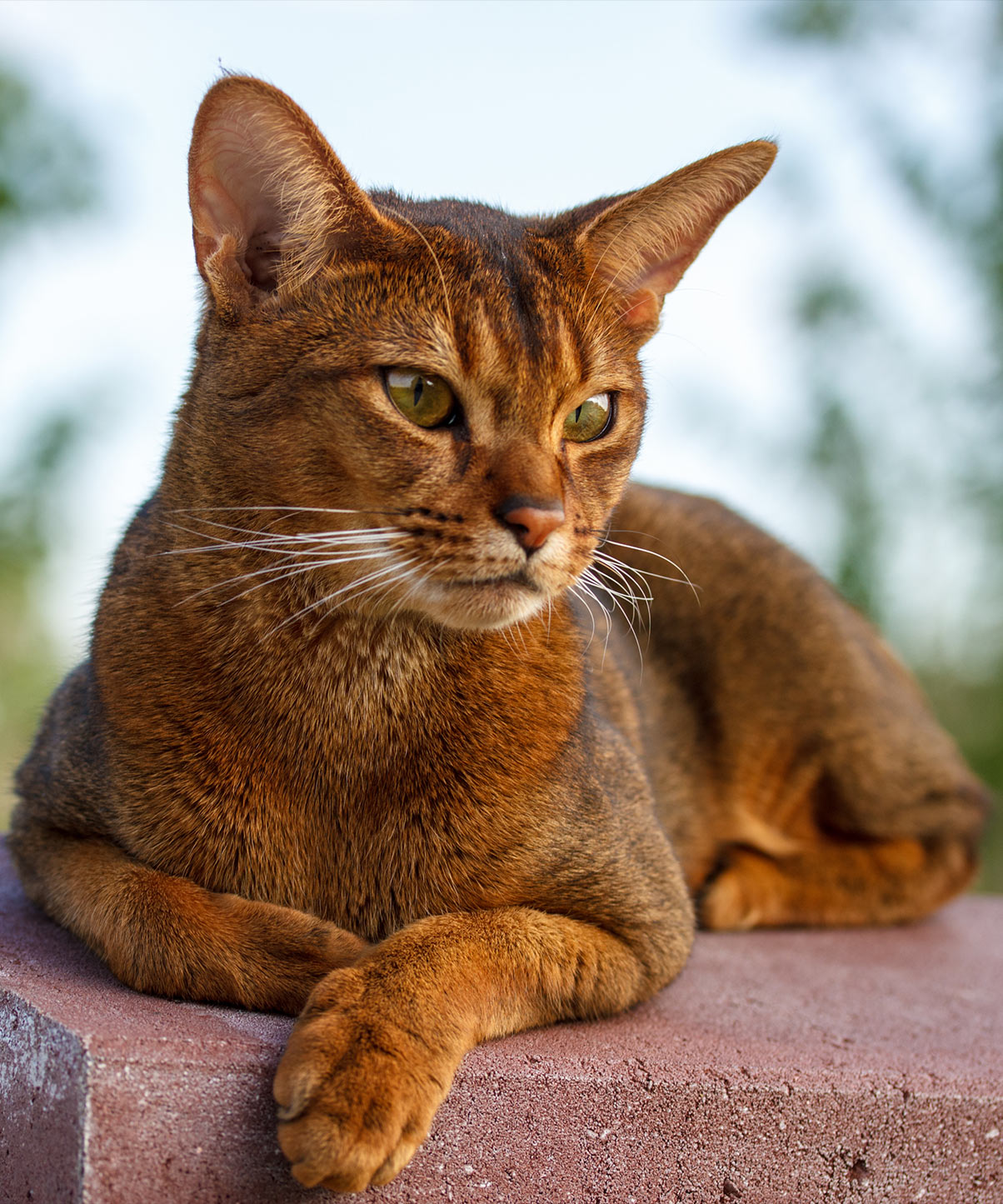
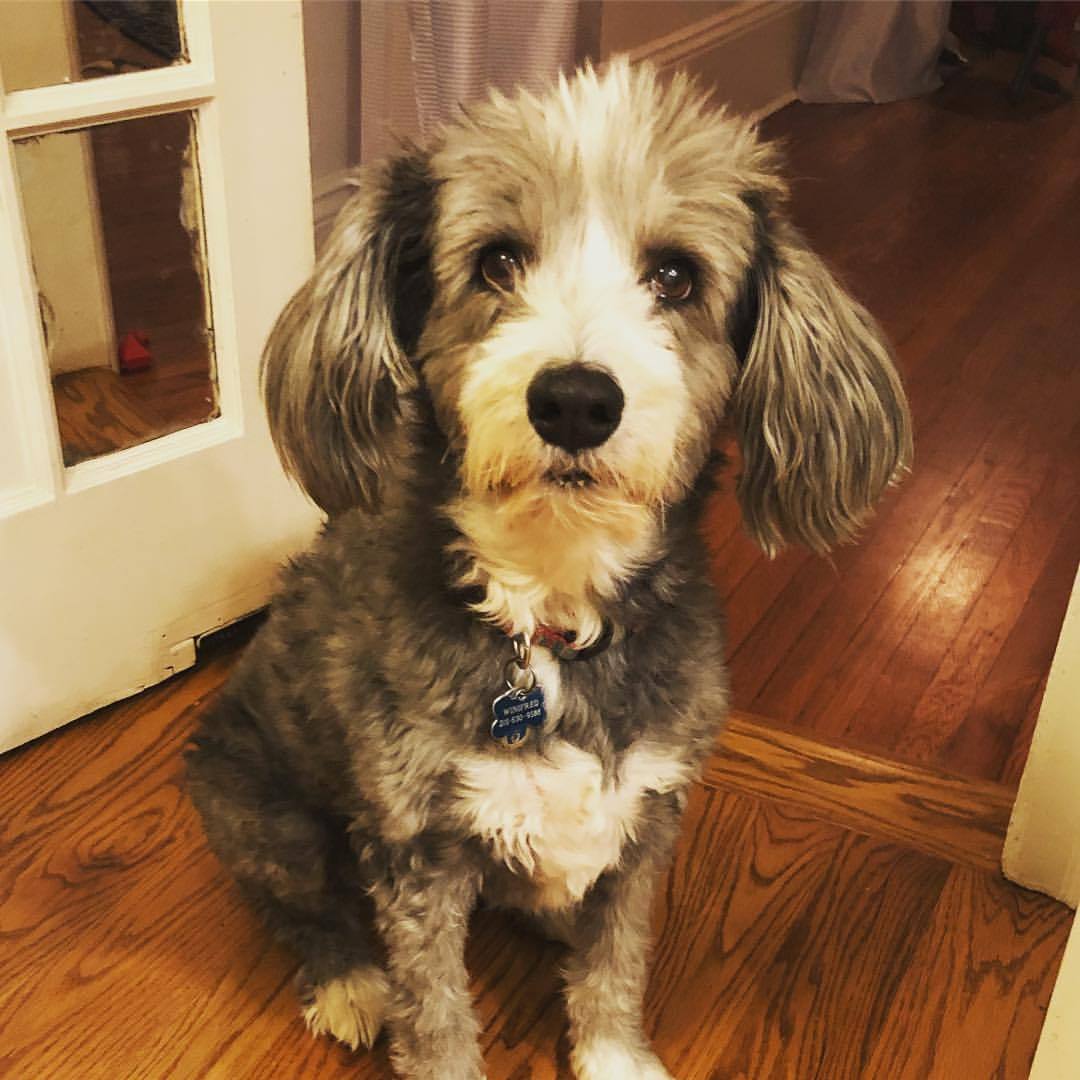
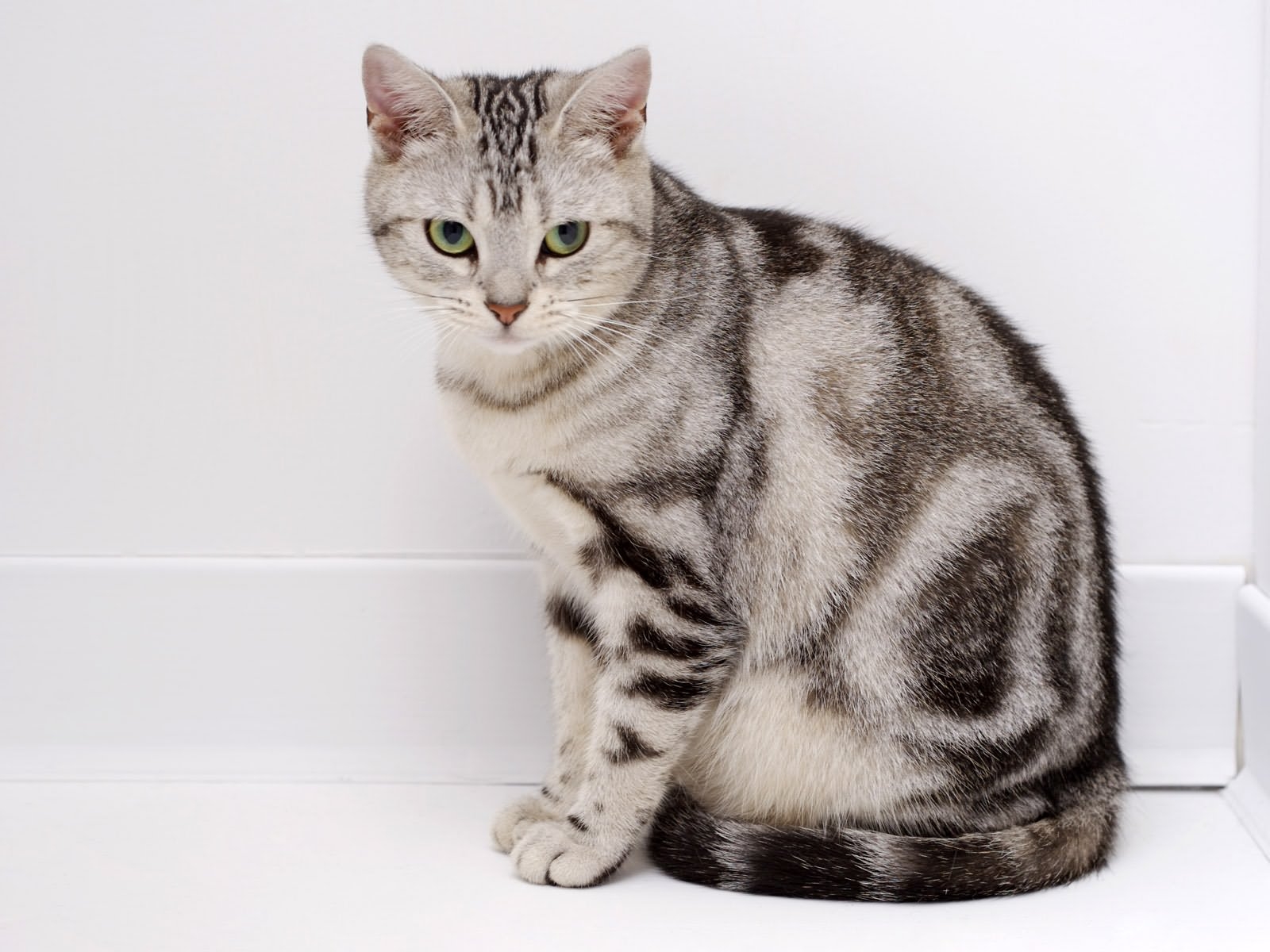
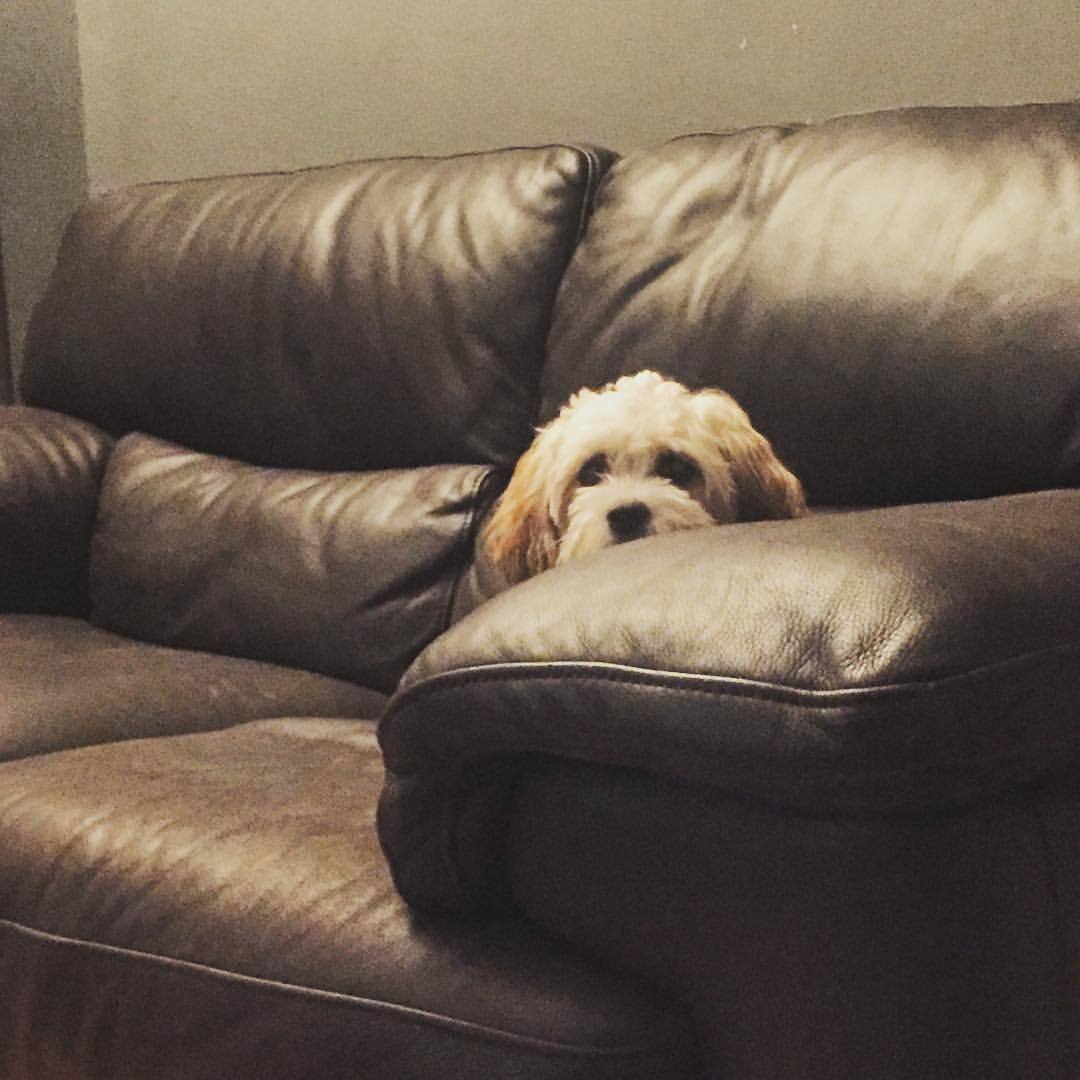
Pet coat types can be broadly categorized into short, long, and curly coats. Short coats, typically found in breeds like the Chihuahua and Pomeranian, are easy to maintain as they require minimal grooming. These coats shed less and are less prone to matting. Long coats, such as those seen in the Maine Coon and Persian cat, require regular brushing to prevent tangles and mats. Daily brushing is recommended for long-haired pets to maintain a healthy coat. Curly coats, like those of the Bichon Frise and Poodle, are more prone to matting and require frequent grooming. A thorough brushing every two to three days is necessary to keep the coat in good condition. It's important to note that curly coats often require professional grooming every six to eight weeks to maintain their shape and reduce shedding.
2. Grooming Frequency and Time for Different Coat Types
The frequency and time required for grooming vary depending on the coat type. For short-haired pets, a weekly brushing session of 5-10 minutes is sufficient to remove loose fur and prevent shedding. Long-haired pets benefit from a 10-15 minute brushing session every other day to prevent matting. Monthly grooming should include a bath and a thorough examination of the skin for any signs of irritation or parasites. Quarterly grooming sessions should include a professional grooming service to trim the coat, clean the ears, and check for any health issues. It's important to note that grooming times can vary based on the individual pet's coat condition and behavior.
3. Selection and Usage Tips for Grooming Tools
Choosing the right grooming tools is crucial for effective pet care. For short-haired pets, a bristle brush or a slicker brush is ideal for removing loose fur and preventing mats. Long-haired pets require a steel comb with fine teeth to detangle the coat and a brush with soft bristles to distribute the natural oils. Curly-haired pets benefit from a steel comb with wide teeth to remove mats and a steel brush with medium bristles to smooth the coat. When using grooming scissors, it's important to use sharp, stainless steel scissors specifically designed for pet grooming. These should be used to trim around the eyes, ears, and paws, as well as to remove any mats or uneven fur. Always ensure the grooming tools are clean and sanitized to prevent the spread of any infections. It's also important to use the proper technique when grooming to avoid causing discomfort or injury to the pet.
4. Cost Estimation and Cost-Saving Methods for Grooming
Grooming costs can vary significantly based on the pet's coat type. For short-haired pets, the average cost of grooming ranges from $20 to $40 per session, which includes a basic brush-out and nail trimming. Long-haired pets require more time and effort, with grooming sessions costing between $40 and $60. Curly-haired pets can be the most expensive to groom, with costs ranging from $50 to $80 per session. To save on grooming costs, consider purchasing a grooming kit that includes essential tools such as a brush, comb, and scissors. Regular grooming at home can also reduce costs, as professional grooming sessions are typically more expensive. Investing in high-quality grooming tools can also save money in the long run, as they tend to last longer than cheaper alternatives. Additionally, scheduling grooming appointments during off-peak hours can result in discounts of up to 20%.
5. Grooming Challenges and Solutions for Special Coat Types
Grooming curly-haired pets can be challenging due to the potential for mats and knots. To address this, it's essential to groom these pets at least once a week, using a steel comb with wide teeth to remove mats and a steel brush with medium bristles to smooth the coat. For pets with double coats, shedding can be a significant issue. Regular grooming, such as brushing three times a week, can help reduce shedding and maintain coat health. Pets with sensitive skin may require hypoallergenic grooming products to avoid irritation. In cases where the pet has a thick undercoat, a de-shedding tool can be used to remove loose fur without causing damage to the skin. For pets with long, flowing manes, such as horses, regular trimming is necessary to prevent tangling and maintain a comfortable temperature.
6. Cost Comparison: Pet Salon vs. Home Grooming
The cost of professional grooming at a pet salon can vary widely, ranging from $30 to $100 per session, depending on the pet's size and coat type. Home grooming, on the other hand, can be significantly more cost-effective. Basic grooming tools can be purchased for as little as $50, and the cost of grooming sessions at home can range from $10 to $30. When comparing costs, it's important to consider the time and effort required for home grooming. While home grooming may be cheaper, it can also be more time-consuming, especially for pets with complex grooming needs. Pet owners should also factor in the cost of grooming products, such as shampoos, conditioners, and brushes. For pets with specific grooming needs, such as those with medical conditions or special coat types, professional grooming may be necessary and is often more convenient. However, for routine grooming tasks, home grooming can provide substantial cost savings and the added benefit of personalized care.
7. The Impact of Coat Grooming on Pet Health
Regular coat grooming is crucial for maintaining skin health and hair quality in pets. Proper grooming can prevent issues such as matting, which can lead to skin irritation and infections. For instance, matting can cause skin tears and hot spots, which may require veterinary intervention. Regular brushing can remove loose fur and debris, reducing the risk of skin allergies and infections. Additionally, grooming sessions provide an opportunity to inspect the skin for any signs of fleas, ticks, or skin irritations. It is recommended to brush pets with long hair at least three times a week and those with short hair once a week. Regular grooming also helps distribute natural oils throughout the coat, improving hair quality and reducing shedding.
8. Common Misconceptions and Correction Methods in Coat Grooming
One common misconception in coat grooming is that all pets require the same grooming routine. This is incorrect; different breeds and coat types have specific grooming needs. For example, short-haired breeds may only need a weekly brush, while long-haired breeds may require daily grooming to prevent matting. Another misconception is that trimming a pet's coat will make them cooler in hot weather. In reality, trimming can disrupt the natural insulation of the coat, leading to overheating. To correct this, it is important to understand the coat's purpose and function. Additionally, many pet owners believe that frequent baths are necessary for maintaining coat health. However, over-bathing can strip the coat of its natural oils, leading to dryness and irritation. It is recommended to bathe pets only when necessary, using a mild shampoo and avoiding harsh chemicals.
9. The Influence of Coat Grooming on Pet Behavior
Coat grooming can have a significant impact on a pet's behavior and mental state. Regular grooming sessions can serve as a bonding experience between the pet owner and the pet, reducing stress and anxiety. For example, a gentle brushing can help calm a nervous dog, while a thorough grooming session can be a form of exercise for a cat. Additionally, grooming can help identify any signs of discomfort or pain in pets, such as lumps or bumps, which may cause them to behave differently. Regular grooming can also help prevent aggression, as it can reduce the likelihood of matting and discomfort. For instance, a pet that is regularly groomed is less likely to become aggressive when their coat is being brushed. It is important to establish a consistent grooming routine, as sudden changes can cause stress. The frequency of grooming sessions should be adjusted based on the pet's coat type and behavior, ensuring that the experience is positive and stress-free.
10. Summary: The Importance of Proper Coat Care
Proper coat care is not merely a cosmetic concern but a crucial aspect of a pet's overall health and well-being. Regular grooming, such as brushing and bathing, helps maintain the coat's natural oils and removes loose fur, dirt, and debris. This process is essential for pets with long or thick coats, as it prevents matting and tangles that can lead to discomfort and pain. For instance, a matted coat can restrict movement and cause skin irritation or infections. Regular grooming also allows pet owners to inspect the skin for signs of allergies, parasites, or skin conditions. Studies have shown that pets with regular grooming sessions have a lower incidence of skin issues and are less prone to behavioral problems such as aggression or anxiety. Furthermore, proper coat care can extend the lifespan of a pet, as it reduces the risk of skin infections and other health complications. For example, a well-groomed pet is less likely to develop skin allergies, which can lead to chronic inflammation and discomfort. In terms of frequency, dogs should be brushed at least two to three times a week, while cats may require daily grooming depending on their coat type. Bathing should be done every four to six weeks to avoid stripping the skin of natural oils. Special attention should be given to sensitive areas such as the ears, eyes, and paws. Proper coat care not only enhances a pet's appearance but also strengthens the bond between pet and owner, fostering a healthier, happier pet.