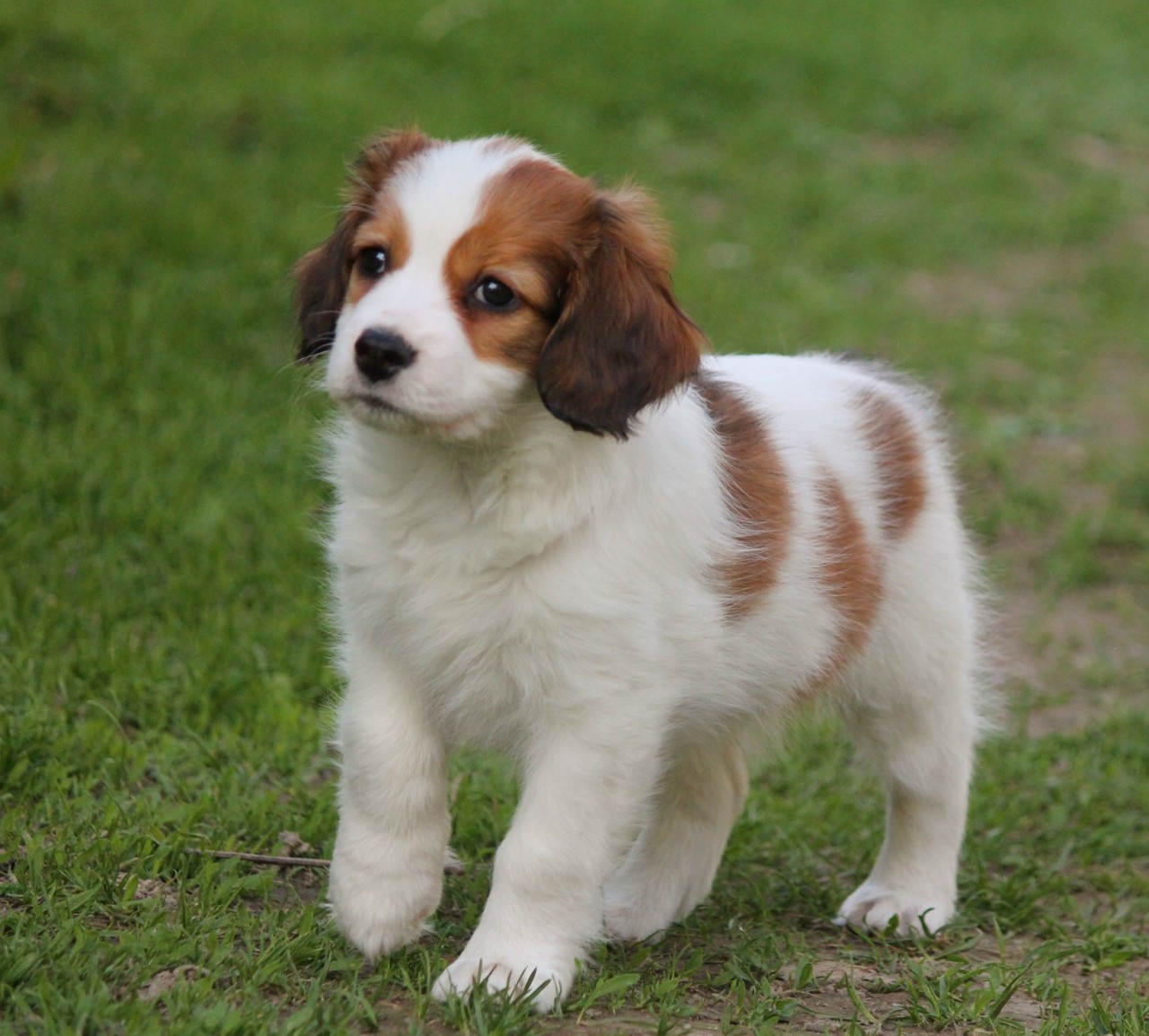
Dog Basic Commands Breakdown
Did you know that a well-trained dog can understand up to 250 words? However, even a dog with a vast vocabulary may struggle if they haven't been taught basic commands. Misunderstandings can lead to frustration for both pets and owners, highlighting the necessity of early and consistent command training.
The Importance of Command Training
Command training is crucial for establishing a clear communication channel between you and your dog. By teaching your dog basic commands, you can shape their behavior, ensuring they respond to your cues in various situations. For instance, commands like 'sit', 'stay', and 'come' are fundamental for safety and control. Research shows that dogs that undergo regular command training are less likely to exhibit aggressive or destructive behaviors. It is recommended to start command training when your dog is around 6 months old, as this is the age when they are most receptive to learning. Consistent training sessions of 15-20 minutes, three times a week, can significantly improve obedience.
Choosing and Preparing Basic Commands
When selecting commands, consider your dog's age and temperament. Younger dogs may benefit from shorter, simpler commands, while older dogs might need more nuanced instructions. For example, 'heel' is suitable for a high-energy dog, while 'lie down' is better for a calmer breed. To prepare for training, gather essential aids such as treats, a clicker, and a leash. Treats should be small, high-value, and easily digestible. The clicker is a training tool that provides immediate feedback, reinforcing desired behaviors. It is important to use the clicker consistently and pair it with a treat to ensure the dog associates the sound with positive reinforcement. Begin training sessions in a quiet, distraction-free environment to minimize the learning curve.
Consistency in Commands and Voice Control
Consistency is key in command training. Use the same word for each command and ensure your voice tone is clear and firm. For example, when teaching 'sit', say the word in a level tone and wait for the dog to respond. If they do not, gently guide them into the correct position and then reinforce the behavior with a treat. It is recommended to repeat the command two to three times if the dog does not comply immediately. Voice control is equally important; a confident and assertive voice helps maintain your dog's focus. Practice different voice inflections to convey different emotions and commands. For instance, a higher pitch can signal excitement, while a lower pitch can indicate calmness. Regular practice and patience will help your dog understand the nuances of your voice and respond accordingly. It is advisable to conduct training sessions in various environments to desensitize your dog to different sounds and distractions.
Body Language and Eye Contact in Training
Effective command training relies heavily on clear body language and consistent eye contact. Maintain a calm yet assertive stance, ensuring your body language aligns with your verbal commands. For instance, when asking a dog to 'sit', stand in a relaxed but focused position. Eye contact is crucial for building trust and understanding. Maintain eye contact for about three seconds before releasing it, signaling that the command is over. Avoid staring, as this can be intimidating. Use hand signals to complement your voice commands, such as raising your hand to indicate 'sit' or pointing to the floor for 'down'. Consistency in body language and eye contact helps the dog associate the command with the desired action.
Applying the Reward System Correctly
The timing, type, and frequency of rewards are pivotal in the learning process. Reward your dog immediately after they perform the desired behavior to reinforce the association. Use treats that are small enough to be eaten quickly but large enough to be noticed. For example, a small piece of cheese or a tiny dog biscuit. The reward should be given within one to two seconds of the correct action. The frequency of rewards should be high at first, gradually decreasing as the dog masters the command. Avoid over-rewarding, as this can lead to obesity and reduced motivation. The type of reward can vary, but it should be something the dog values. This could be a treat, a toy, or even verbal praise. Consistency in the reward system is key to successful training.
Repetition Training and Reinforcement
Repetition is the cornerstone of command training. Practice each command multiple times during a single session, aiming for at least 10 repetitions. This helps the dog understand and retain the command. Gradually increase the difficulty by introducing distractions and different environments. For example, start in a quiet room, then move to a park with more noise and movement. This teaches the dog to focus on the command amidst various stimuli. Reinforcement should be consistent across different environments. Use the same treats and praise to maintain the dog's understanding. It's important to reinforce the command even when the dog is not perfect, as this encourages continued learning. Over time, reduce the frequency of treats and rely more on verbal praise and playtime as rewards. This transition helps the dog internalize the command without relying solely on external rewards.
Common Misconceptions and Correction Methods
One common misconception is that harsh corrections are necessary for effective training. However, this can lead to fear and aggression in dogs. Instead, use positive reinforcement techniques. For example, if a dog jumps on people, redirect its attention to a toy or treat. Avoid shouting or hitting the dog. Correction methods should be immediate and consistent. If a dog misbehaves, address the issue within three seconds to ensure the dog connects the behavior to the correction. Additionally, be mindful of body language. A firm but gentle tone and a firm grip on the leash can communicate boundaries without causing harm.
Long-Term Maintenance of Command Training
To maintain long-term memory and obedience, practice commands regularly but not excessively. Daily sessions of 5-10 minutes are sufficient to reinforce commands. Introduce new commands gradually, adding one new command every two weeks. This allows the dog to process and retain information effectively. When a dog forgets a command, it's important to re-teach it in a low-stress environment. Use the same cues and rewards as before. If a dog consistently ignores a command, review the training process. Ensure the command is clear, the dog is in a good learning state, and the reward is appropriate. Consistency is key; use the same command words and gestures across all training sessions.
Combining Socialization with Command Training
Integrating command training with socialization enhances overall behavior. Begin socialization early, ideally by 12 weeks of age. Expose the dog to various people, pets, and environments to develop a well-rounded temperament. During socialization, incorporate command training. For instance, teach 'sit' and 'stay' while visiting different parks or dog-friendly stores. This reinforces commands in new settings. Use treats and praise to motivate the dog. Socialization should be positive and stress-free. If a dog becomes anxious or aggressive, gradually reduce the intensity of the socialization experience. Remember, the goal is to build confidence and a well-behaved dog, not to overwhelm or scare the animal.
Case Studies and Practical Training Techniques
In a recent case study, a Golden Retriever named Max was struggling with excessive barking. The owner, Sarah, followed a structured training program. She began by identifying the triggers for Max's barking and kept a log for 2 weeks. This helped pinpoint the specific situations that caused the behavior. Sarah then introduced the command 'quiet' during these trigger moments. Using a treat as a reward, she reinforced the command every time Max remained silent for 10 seconds. Over a period of 3 weeks, Sarah gradually increased the duration of silence required to receive a treat. By the end of the 4th week, Max responded consistently to the 'quiet' command in various settings. This case illustrates the importance of identifying triggers and using consistent reinforcement techniques. Additionally, Sarah incorporated a 5-minute daily desensitization exercise to help Max become less reactive to the stimuli that previously caused him to bark. The exercise involved exposing Max to the trigger in a controlled manner while maintaining a calm demeanor. This technique, known as counterconditioning, was effective in changing Max's emotional response to the trigger. By the 6th week, Max's barking decreased significantly, and his overall behavior improved. This case study demonstrates the practical application of identifying triggers, using consistent reinforcement, and incorporating desensitization exercises to modify unwanted behaviors in dogs.