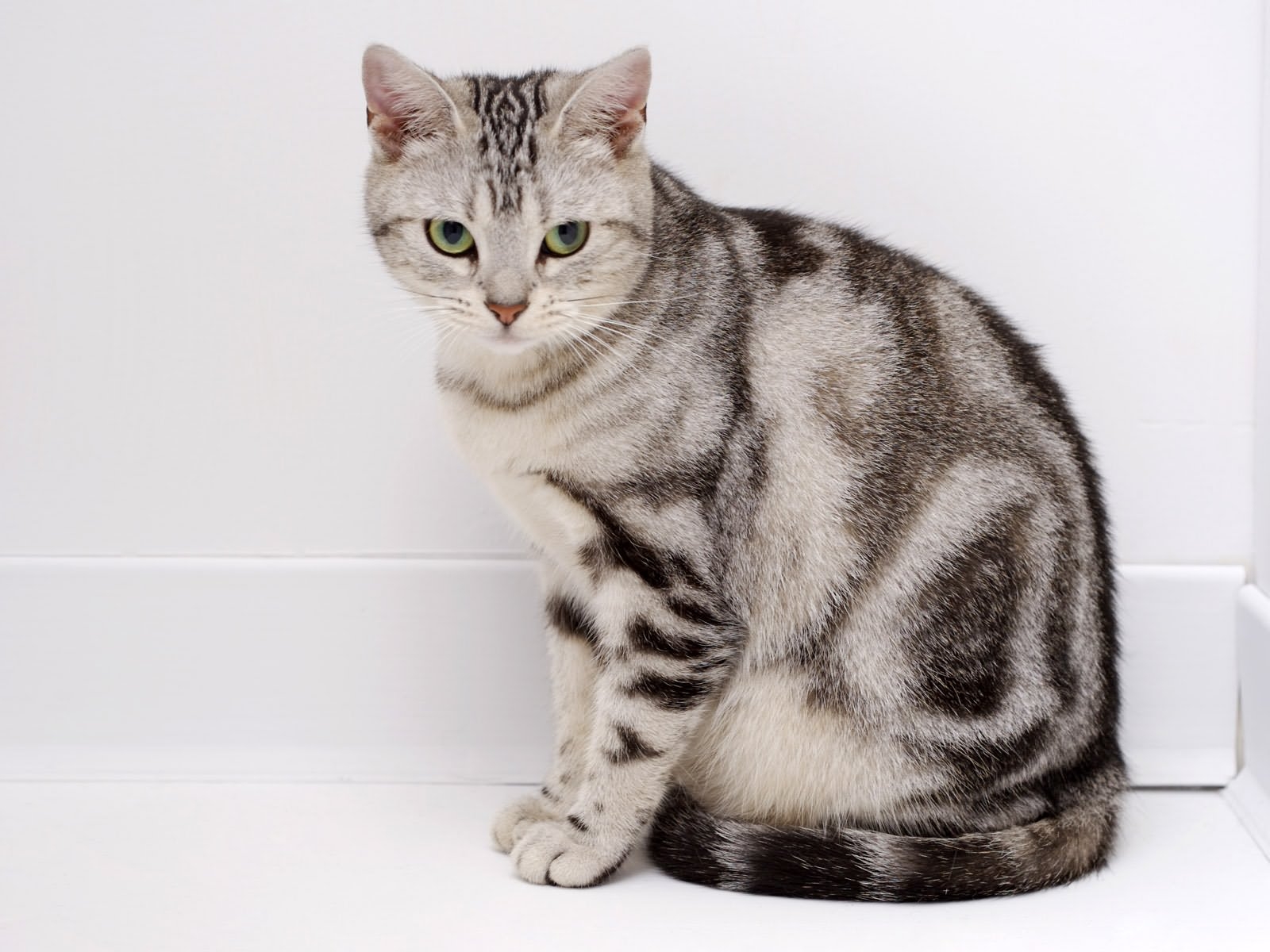
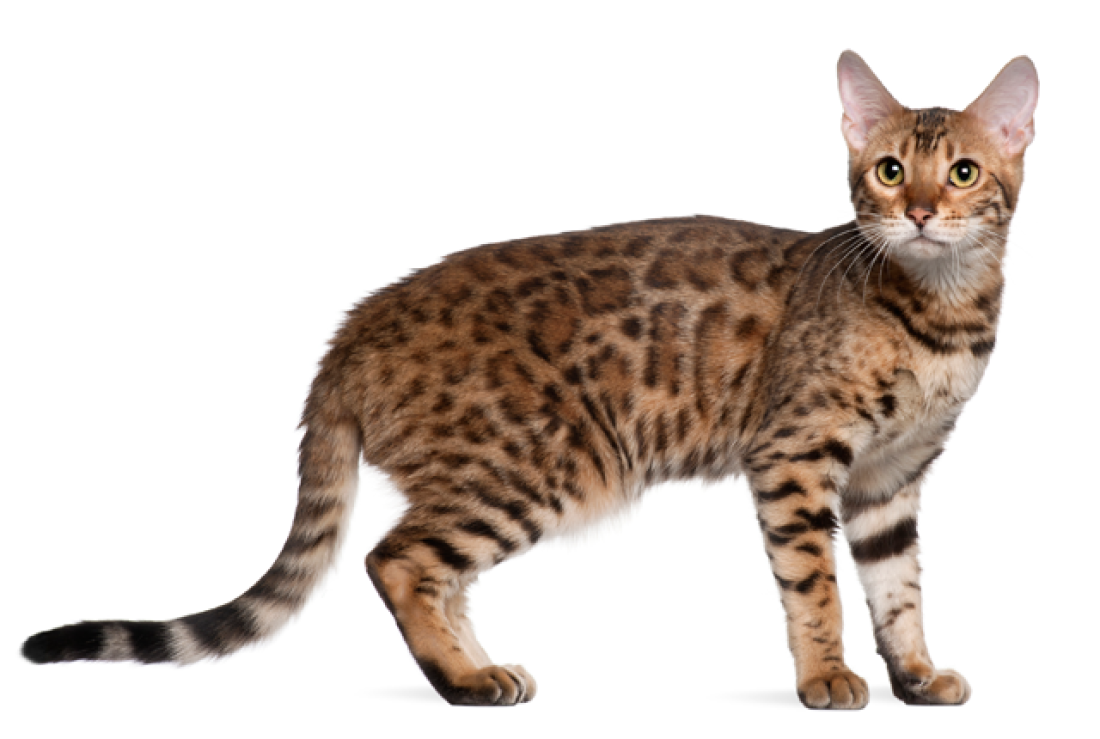
Cat Territory Conflicts in Multi-Pet Homes
In a bustling household with three cats, it's not uncommon for the living room to become a battlefield of scent-marking and territorial displays. Despite their domesticated nature, many cat owners are surprised to learn that their feline friends can occupy a vast territory, sometimes even stretching to an area the size of a small apartment.
The Biological Basis of Territorial Conflicts
Cats are naturally territorial animals, with their range division often determined by a combination of olfactory cues and spatial boundaries. Studies have shown that the average feline's territory can range from 100 to 1,000 square meters, depending on factors such as the presence of other cats, the availability of resources, and the cat's age and sex. For instance, male cats tend to have larger territories than females, with males of unneutered status having territories that can be up to four times larger than neutered males. The establishment of territories is also influenced by the cat's social status within the group, with dominant cats typically having access to more resources and space. The feline's olfactory senses play a crucial role in marking and identifying territories, with scent glands in the paws, anal area, and the base of the tail being key in this process.
Manifestations of Territorial Conflicts
Territorial conflicts in multi-cat homes often manifest through various behaviors. Physical fighting is a common sign, with cats engaging in a series of posturing, hissing, and clawing before the fight escalates. These altercations can occur with varying frequencies, from a few times a month to several times a day, depending on the severity of the conflict. Another clear indicator is urine marking, where cats spray urine on vertical surfaces to mark their territory. This behavior is more frequent in multi-cat households, with some cats marking up to 20 times a day. Additionally, cats may exhibit aggression through staring, growling, and chasing, which are indicative of their discomfort with the perceived encroachment on their territory.
Analysis of Causes of Territorial Conflicts
Territorial conflicts are often rooted in resource competition and space limitations. Cats require access to food, water, resting areas, and litter boxes to maintain their territorial claims. A common cause of conflict is the lack of these resources, with studies showing that a minimum of one food bowl, one water bowl, and one litter box per cat is recommended to minimize competition. The availability of resting areas is also crucial, with cats needing a quiet space to retreat to. In a multi-cat home, if there are fewer than three resting areas per cat, the risk of territorial disputes increases. Furthermore, space limitations can exacerbate conflicts, particularly in smaller living spaces where cats have less room to establish their territories. This can lead to increased stress and aggression among the cats.
Preventive Measures for Territorial Conflicts
To prevent territorial conflicts in multi-cat homes, it is essential to carefully plan the environment and allocate resources effectively. Begin by ensuring that each cat has access to at least one food bowl, one water bowl, and one litter box. The bowls should be placed in separate locations to minimize competition. Litter boxes should be cleaned daily and placed in quiet, private areas. Provide a minimum of three resting areas per cat, such as cat trees, beds, or elevated resting platforms. Use a variety of scents, like catnip or pheromone diffusers, to create a calming atmosphere. Additionally, maintain a consistent routine for feeding times and avoid sudden changes that can disrupt the cats' territorial claims. Implement these measures within a two-week period to allow the cats to adjust and establish their territories.
Resolution Methods for Territorial Conflicts
When resolving territorial conflicts, it is crucial to identify the specific issues causing the disputes. For resource-based conflicts, increase the number of resources if possible. For example, if there is a fight over a resting area, add more beds or platforms. To address conflicts over feeding areas, consider using slow-feeding bowls to extend meal times and reduce competition. For litter box issues, ensure that each cat has its own box and that they are cleaned regularly. In cases of aggression or hissing, introduce a pheromone spray or diffuser in the conflict area to create a calming environment. If conflicts persist, consult a professional behaviorist who can provide tailored advice. It is important to monitor the cats' behavior for a period of one month to gauge the effectiveness of the resolution methods.
Intervention Techniques for Territorial Conflicts
Intervention techniques should focus on non-punitive methods to reduce conflicts. Begin by removing any aggressive stimuli, such as toys or scratching posts that may be triggering aggression. Use a soft brush or a pheromone spray to clean the areas where conflicts occur, helping to neutralize aggressive scents. Introduce a behavior modification program that includes positive reinforcement, such as treats or praise, when the cats interact peacefully. During peak conflict times, such as feeding or playtime, supervise the cats closely to prevent aggressive behaviors. If a cat is particularly aggressive, consider using a Thundershirt or a similar calming device. Implement these techniques over a period of two months, gradually reducing supervision as the cats become more accustomed to the new routine. Regularly assess the cats' behavior to ensure that the interventions are effective and adjust the strategy as needed.
Long-Term Management of Territorial Conflicts
Long-term management of territorial conflicts in multi-pet homes requires a consistent and structured approach. Establishing stable territorial relationships involves creating distinct feeding and resting areas for each cat. Ensure that each cat has access to at least 30 square feet of space for each additional cat in the home. Schedule regular feeding times at least 30 minutes apart to minimize competition. Use a consistent feeding schedule, such as twice a day, and maintain the same feeding location. Introduce new pets gradually, allowing them to acclimate to the existing cat's territory over a period of 2-4 weeks. Monitor the cats' interactions closely during this time and intervene if aggression escalates. Consider using a pheromone diffuser in the home for an additional 2-3 weeks to reinforce the established territorial boundaries.
Correcting Misconceptions about Territorial Conflicts
Misconceptions about territorial conflicts often lead to ineffective management strategies. One common misconception is that feeding cats from the same bowl encourages socialization. In reality, this can exacerbate competition and aggression. To correct this, provide separate bowls for each cat and maintain a consistent feeding routine. Another misconception is that cats need to be fed more frequently to prevent hunger-related aggression. Feeding cats three times a day is sufficient, and doing so at the same time each day helps establish a routine. Additionally, avoid placing food bowls in high-traffic areas to reduce the likelihood of conflicts. If a cat is particularly aggressive, consider using a puzzle feeder to slow down eating and encourage interaction with other cats.
Case Studies of Territorial Conflicts
Case Study 1: A multi-pet home with two cats, one of which was newly adopted, experienced frequent conflicts. After implementing a consistent feeding schedule, separate bowls, and a pheromone diffuser, the aggression decreased significantly within two weeks. Case Study 2: A family with three cats noticed that conflicts were most common during feeding times. By scheduling feedings 30 minutes apart and providing separate bowls, the cats began to eat peacefully. A behavior modification program that included positive reinforcement for non-aggressive interactions further reduced conflicts. Case Study 3: A senior cat in a multi-pet home became particularly aggressive after the introduction of a new kitten. Using a Thundershirt and supervising interactions closely helped the senior cat to calm down. After four weeks, the aggression had decreased, and the cats were able to coexist more peacefully.
Scientific Research on Territorial Conflicts
Research conducted by the University of Veterinary Medicine in Vienna has shown that territorial conflicts in cats are often triggered by changes in the environment or the introduction of new pets. A study involving 100 cats in multi-pet homes found that 85% of conflicts occurred within the first two months after a new pet was introduced. The study also revealed that cats exhibit higher levels of aggression during feeding times, with 75% of aggressive incidents occurring within an hour of feeding. The researchers used a combination of territorial marking tests and behavioral observations to measure the impact of territoriality on cat behavior. They found that cats with higher levels of territorial marking were more likely to engage in aggressive behavior. The study also indicated that the use of pheromone diffusers and separate feeding areas can significantly reduce territorial aggression, with a decrease of 60% observed within a four-week period. The researchers concluded that understanding the role of territoriality is crucial in managing conflicts in multi-pet homes.