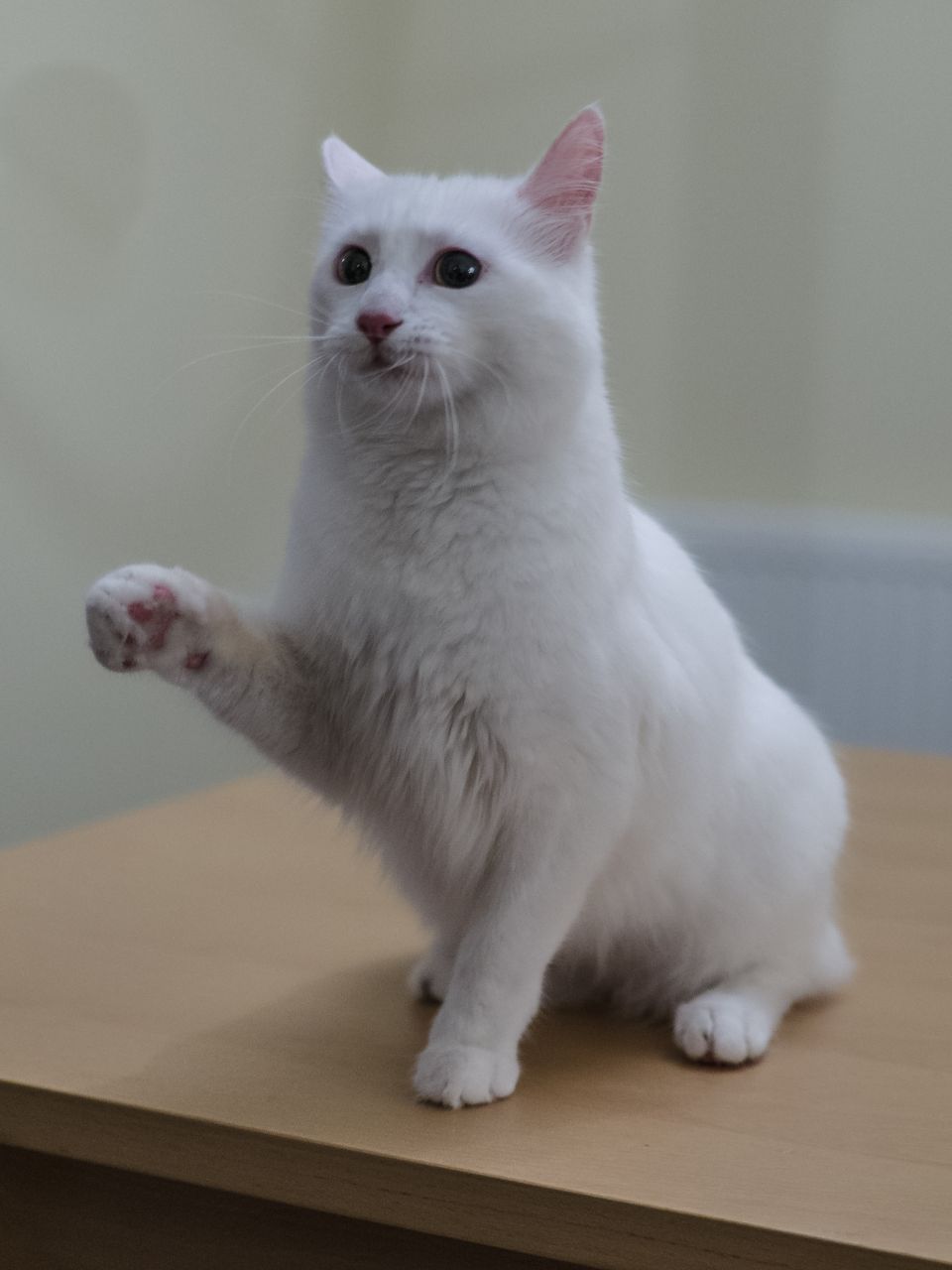
Origins and History
The Turkish Van cat breed originated in the United Kingdom during the 1950s. It was developed from cats imported from various cities in modern-day Turkey, particularly from southeast Turkey, which is known for its historical connections with the cat breed.
The breed was first registered in 1969 by the UK-based Governing Council of the Cat Fancy (GCCF) under the name Turkish cat. This was to differentiate it from the similarly named Turkish Angora breed, which also originates from Turkey.
Two British photographers, Laura Lushington and Sonia Halliday, brought the foundation cats to England in 1955 after receiving them during their assignment in Turkey for the Turkish Ministry of Tourism. They established a standardized breed with the aim of breeding to the standard "three clear generations," returning to Turkey to find another pair of cats for this purpose, ensuring the breed's genetic purity.
Physical Characteristics
The Turkish Van is a large, muscular cat with a moderately long body and tail, broad shoulders, and a short neck. This build contributes to their reputation as one of the larger cat breeds. They reach full maturity at around 3 to 5 years of age, during which time they develop their distinct physical attributes.
The coat of a Turkish Van is semi-long-haired and feels like cashmere or rabbit fur, without an evident undercoat. This luxurious feel is one of the breed's most admired characteristics. It is uncommonly water repellent and sheds continuously, with thicker hair in winter and a shorter coat in summer. The fur grows in gradually over a period of three to five years, and the tail remains long and full, often featuring a ringed pattern that is a hallmark of the breed.
Male Turkish Vans typically weigh between 5–9 kg (10–20 lb), while females range from 3–5 kg (7–12 lb). Their large paws and hard muscle structure enable them to be very strong jumpers, showcasing their agility and athleticism. This physicality is complemented by their strong, robust bodies that contribute to their overall health and vitality.
Breeder Purpose and Popularity
There is no specific breeder purpose for the Turkish Van as it is not bred for any specific working or pet role. The breed is often cherished for its unique qualities and is sought after by cat enthusiasts and collectors.
The breed is considered relatively rare. In 2024, only 49 Turkish Van kittens were registered with the Fédération Internationale Féline (FIFe), accounting for approximately 0.1% of their total registrations and ranking 40 out of 54 breeds. This rarity adds to the appeal of the breed but also means that potential owners should be prepared for a higher cost and limited availability.
Temperament and Personality
The Turkish Van is known for its agility, intelligence, loyalty, playfulness, and high energy level. It is a muscular and highly driven cat, with a liking to climb and perch high up to study its environment. This natural curiosity and athleticism make them successful hunters, showcasing their natural instincts.
While not typically a lap cat, the Turkish Van enjoys cuddling and sleeping in its owner's bed, displaying a affectionate side. They are affectionate towards family members and may follow owners from room to room, showing a strong bond with their human companions. However, they may not enjoy being picked up and prefer to be near their owner, not on them.
The breed is also noted for its curiosity and water affinity, as they may play with water bowls or toilets, or follow owners into water. This trait can be both charming and challenging, requiring owners to be prepared for a cat that may be drawn to water-related activities.
Health and Genetics
The Turkish Van is not prone to deafness due to their phenotype being associated with the Van pattern (Sv) semi-dominant gene, which is responsible for the white spotting on their coat. Solid-white Turkish Angoras, however, carry the epistatic (masking) white color (W) dominant gene, associated with white fur, blue eyes, and often deafness. Solid white cats of Turkish Van stock may share this gene, highlighting the importance of careful breeding practices to avoid deafness in these cats.
Eye color in the Turkish Van is genetically caused by the white spotting factor, with cats ranging from those with minimal white spotting (blue-eyed cats with white tips on the tail) to those with a maximal degree (Van-patterned cats) where colored marks occupy at most 20% of the white background. This variation in eye color and white spotting is a key aspect of the breed's appearance.
Deafness is a common defect with solid white animals and is primarily associated with white cats having two blue eyes.
Appearance Varieties
Breed standards allow for one or more body spots, as long as there is no more than 20% color, and the cat does not give the appearance of a bicolour. The rest of the cat is white, and the color on the head and tail can be red, cream, black, or blue. These colors are allowed in combination with tabby and tortoiseshell patterns, but colorpoints are not allowed.
The United States-based Cat Fanciers' Association (CFA) and Fédération Internationale Féline (FIFe) recognize only Van-patterned specimens, while the World Cat Federation (WCF) and the British GCCF consider solid white specimens a separate breed. This discrepancy in recognition highlights the varied perspectives on the breed's standards and what constitutes a pure Turkish Van.
Buying a Turkish Van and Considerations
- Consider the breed's rarity and potentially high cost of registration.
- Ensure the breeder has a strong focus on health, with a commitment to avoid breeding solid white cats if you prefer the Van pattern.
- Be prepared for a cat that is energetic, playful, and may require a lot of attention and space to explore. The Turkish Van's high energy level means they need an environment that allows them to be active and engaged.
- Since the breed has a water affinity, provide opportunities for them to interact with water or water features in a safe and controlled manner. This may include a water bowl or a pool that they can safely splash in.
Frequently Asked Questions
What is the lifespan of the Turkish Van?
The average lifespan of the Turkish Van is about 12 - 17 years. Good nutrition and regular veterinary care support a healthy life.
What is the temperament of the Turkish Van?
The Turkish Van is known for: Agile, Intelligent, Loyal, Playful, Energetic. Its affection rating is very high. Its energy level is high.
What size and weight is the Turkish Van?
It is a medium-sized cat, typically around 3 - 9 kg as an adult.
Is the Turkish Van easy to care for?
Available ratings indicate relatively low grooming needs, and moderate shedding. Routine brushing, ear and dental care, and nail trims are still recommended.
Is the Turkish Van good with kids and other pets?
Available ratings indicate high child-friendliness, and very high pet-friendliness. Supervised, gradual introductions are recommended.
How much exercise does the Turkish Van need?
With a high energy level, it needs walks, play or training matched to its stamina.



