Origin and Development
The Selkirk Rex cat breed originated in the United States in 1987, specifically in Montana. This breed was developed from a litter born to a rescued cat, with the unique curly-haired kitten named Miss DiPesto, after a character from the TV series Moonlighting. Miss DiPesto was bred to a black Persian tomcat, resulting in three Selkirk Rex kittens and three straight-haired kittens, demonstrating the autosomal dominant mode of inheritance for the curly coat gene.
Jeri Newman, the breeder, named the breed after her stepfather, "Selkirk," making it the first and currently only cat breed to be named after an actual person. The breed has since been accepted by major cat registries, including The International Cat Association (TICA) in 1992, the American Cat Fanciers Association (ACFA) in 1998, and the Cat Fanciers' Association (CFA) in 2000.
As of 2020, the CFA discontinued using Persian cats as an outcross for Selkirk Rex breeding, and since 2025, only British Shorthair or Exotic cats are permitted. This change was implemented to ensure the purity of the breed's lineage. TICA, on the other hand, permits outcrossing with British Shorthair, British Longhair, American Shorthair, Persian, Himalayan, and Exotic cat breeds. The decision to limit outcrossing reflects a commitment to preserving the breed's unique characteristics and health.
Appearance and Traits
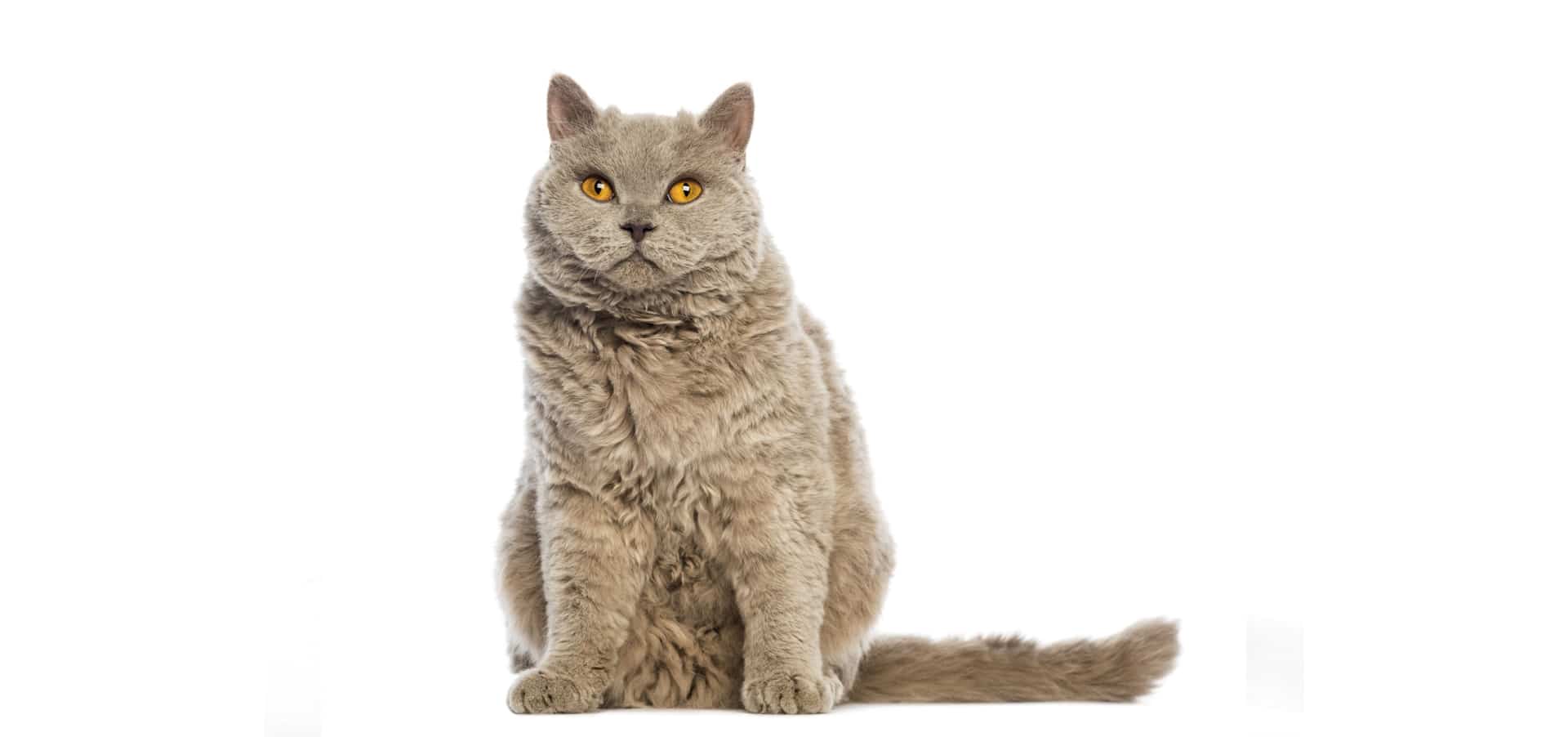
The Selkirk Rex is a medium to large cat with a solid, muscular body and heavy boning. Adult males typically weigh between 12 and 15 pounds, while females are somewhat smaller, weighing around 8 to 10 pounds. Their heads are round and full-cheeked, with round and well-set eyes, and medium-sized ears that are slightly set back on the head.
The Selkirk Rex comes in both shorthair and longhair varieties. Both varieties have unstructured, loose, random curls, with the curliness more pronounced around the neck, tail, and belly. Shorthair Selkirks have hair of the same length all over the body, while longhairs have longer ruff and tail hair. Their whiskers are also curly, fragile, and tend to break off more frequently than those of straight-haired cats.
The breed is accepted in all colors, including pointed, bicolor, cinnamon, silver/smoke, and chocolate. The coat length is medium, and the energy level is high, making them playful and active companions. Their friendliness and social nature are also notable traits, contributing to their popularity as family pets. The Selkirk Rex's coat texture is described as soft and plush, which is a result of the tightly curled hair shafts.
Temperament and Personality
The Selkirk Rex is known for its incredibly patient, loving, and tolerant nature. They are active, affectionate, dependent, gentle, patient, playful, quiet, and social. This breed loves being a lap cat and enjoys chatting with their owners in a quiet voice. Their playful and clownish side often makes them a delightful addition to any household.
Intelligence and trainability are also notable traits of the Selkirk Rex, making them responsive to training and enjoyable to be around. They are generally friendly towards children, making them a great choice for families. Their social nature also extends to other pets, which can make them a harmonious addition to multi-pet households.
Health and Genetics
There are no known health problems specific to the Selkirk Rex breed. However, like other Rex breeds, they may experience irritation of the inside of the ear due to curly fur, which can increase ear wax production and potentially lead to ear infections if not properly cared for.
Homozygous cats, those with two copies of the dominant Selkirk Rex gene, may have a tendency towards excessive greasiness, requiring more frequent bathing to maintain a healthy coat.
Other health issues may be inherited from the outcross breeds used in developing the Selkirk Rex, such as polycystic kidney disease (PKD) from Persians and hypertrophic cardiomyopathy (HCM) from British Shorthairs. In the UK, all Selkirk Rex cats registered with the Governing Council of the Cat Fancy (GCCF) for breeding are genetically tested for PKD or are from two genetically tested parents. This proactive approach to health testing helps to reduce the incidence of these hereditary conditions in the breed.
The Selkirk Rex is defined by an autosomal incomplete dominant woolly rexoid hair (ADWH) abnormality, characterized by tightly curled hair shafts. The inbreeding coefficient of the Selkirk Rex population is low, similar to domestic cats of no specific breed, which is a positive indicator of genetic diversity and health.
Breeding and Registration
The Selkirk Rex breed has specific breeding guidelines and registration requirements. Since 2025, kittens registered with the CFA must have only Selkirk Rex parents, reflecting the breed's commitment to maintaining its purity. This strict breeding standard ensures that the breed's distinctive traits are preserved.
TICA, on the other hand, permits outcrossing with certain breeds, including British Shorthair, British Longhair, American Shorthair, Persian, Himalayan, and Exotic cat breeds. This more flexible approach allows breeders to introduce genetic diversity while still maintaining the breed's overall type.
Genetic testing is an important aspect of breeding Selkirk Rex cats, particularly in the UK, where all breeding cats must be genetically tested for PKD or come from genetically tested parents. This ensures the health and well-being of the breed and its future generations. Breeders also monitor the health of the cats throughout their lives to detect and address any potential health issues early.
Buying a Selkirk Rex
Here is a checklist to help you make an informed decision:
- Ask about the cat's health history and genetic testing results.
- Observe the cat's temperament and interaction with other pets and people.
- Understand the grooming and care needs of the breed.
- Be prepared for the long-term commitment of owning a Selkirk Rex, with an expected lifespan of 14 to 15 years.
Buying a Selkirk Rex can be a rewarding experience, but it's essential to ensure that the cat is a good fit for your lifestyle and home environment. Their high energy level, social nature, and affectionate personality make them a great choice for active, loving families.
Frequently Asked Questions
What is the lifespan of the Selkirk Rex?
The average lifespan of the Selkirk Rex is about 14 - 15 years. Good nutrition and regular veterinary care support a healthy life.
What is the temperament of the Selkirk Rex?
The Selkirk Rex is known for: Active, Affectionate, Dependent, Gentle, Patient, Playful, Quiet, Social. Its affection rating is very high. Its energy level is high.
What size and weight is the Selkirk Rex?
It is a medium-sized cat, typically around 3 - 7 kg as an adult.
Is the Selkirk Rex easy to care for?
Available ratings indicate relatively low grooming needs, and low shedding. Routine brushing, ear and dental care, and nail trims are still recommended.
Is the Selkirk Rex good with kids and other pets?
Available ratings indicate high child-friendliness, and very high pet-friendliness. Supervised, gradual introductions are recommended.
How much exercise does the Selkirk Rex need?
With a high energy level, it needs walks, play or training matched to its stamina.
Is the Selkirk Rex hypoallergenic?
It has some hypoallergenic traits, but reactions vary. Spend time with one and seek professional advice before deciding.



