Origin and History
The Magyar Agár, an ancient Hungarian sighthound, has its origins in the Carpathian Basin and Transylvania, regions that were part of the Austro-Hungarian Empire. These dogs likely accompanied the Magyars to these areas in the 10th century, with historical records from the 12th century mentioning the breed's use in hunting and coursing. The breed's history is deeply rooted in the Hungarian Plain, where it was used for hunting and coursing. The Magyar Agár has been present in the region for over a thousand years, with the earliest archaeological evidence found in the Carpathian Mountains along Hungary's northern and eastern borders, indicating the breed's ancient heritage.
Throughout history, the Magyar Agár has been employed for long-distance racing, often trailing alongside hunters on horseback over distances of up to 50 kilometers per day. The breed's conformation has remained consistent from the Medieval to the Modern Age, until the introduction of the greyhound in the 19th century, which sparked a debate among breeders and enthusiasts about the desired characteristics of the Magyar Agár. This debate highlighted the breed's versatility and adaptability, as some breeders favored a more robust and enduring type, while others preferred a leaner, faster dog.
Today, the Magyar Agár is recognized for its elegant appearance and wash-and-wear coat, making it suitable for conformation showing. While rare outside of Europe, a small number of Magyar Agárs reside in the United States, where they can participate in various conformation events and amateur racing events, showcasing the breed's enduring spirit and competitive nature.
Breed Characteristics
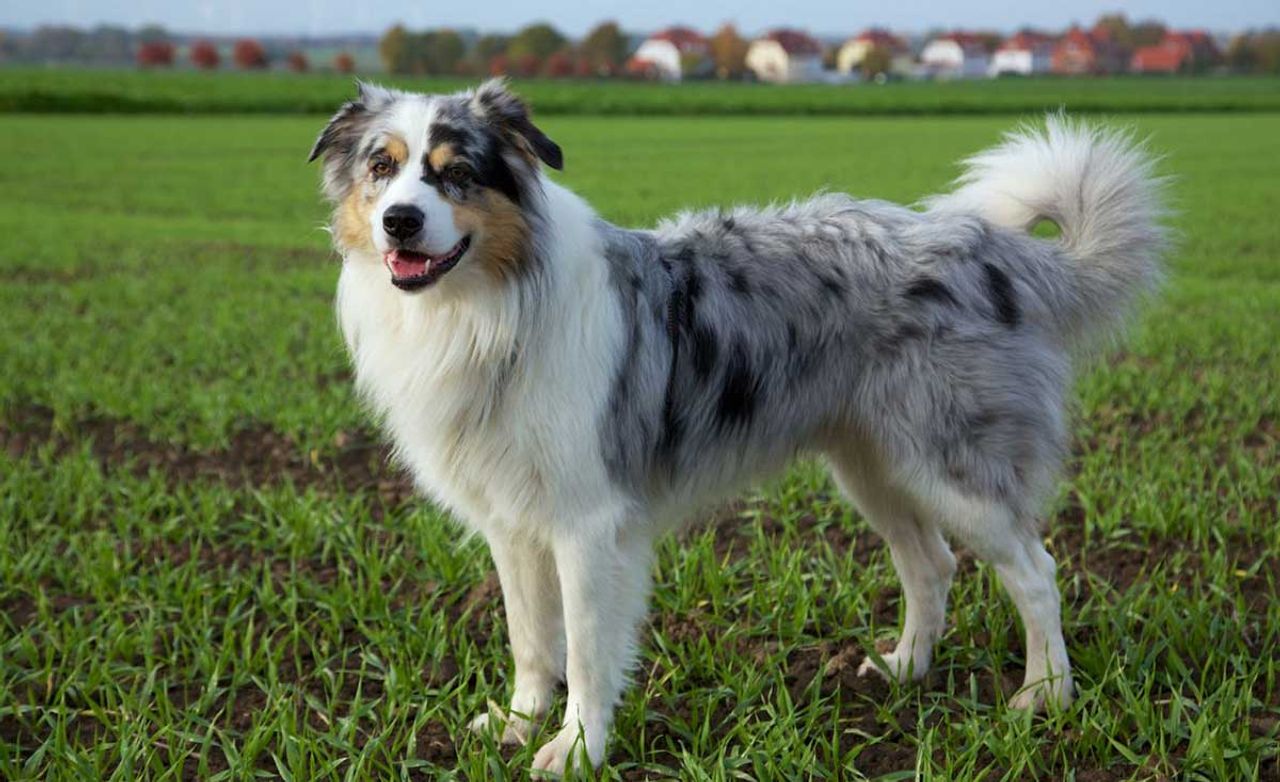
The Magyar Agár is a sighthound with an elegant yet rugged stature, distinct from the Greyhound. They are longer in body than tall, with a heavier bone structure and a wedge-shaped head featuring substantial jaw muscles and shorter snouts. Their skin is thicker, and they have a short, dense, and smooth coat that is slightly longer during winter months, making them hardy and well-suited to lower temperatures. This coat also means they require less grooming than breeds with longer hair.
These dogs weigh between 49 pounds (22 kg) and 68 pounds (31 kg) and stand between 25 inches (64 cm) and 27 inches (69 cm) at the shoulders. They come in a variety of colors, including gray, brindle, and black, with solid colors and tricolor patterns. Their rose-shaped ears are raised about halfway and their oval-shaped eyes have a bright and gentle expression, reflecting their friendly and alert nature.
Controversy exists among breeders and enthusiasts regarding the amount of "greyhoundness" in the Magyar Agár, stemming from the breeding of greyhounds with the breed in the 19th and early 20th centuries. Some prefer the robust frame and musculature of the "old-fashioned" Magyar Agár, while others favor a more greyhound-like dog with a lighter frame and greater speed. This debate has influenced the breed's development and the standards set by kennel clubs and registries.
Temperament and Behavior
The Magyar Agár is affectionate and docile, with a strong guarding instinct. They are unlikely to bite or be snippy with people and are usually well-behaved around children and other dogs. While somewhat reserved, they are not overly shy and are intelligent and easy to train. This intelligence is a trait that has been honed over centuries of work alongside humans in various hunting and racing activities.
These dogs are adaptable and can live comfortably in apartments or outdoor kennels, as long as they receive adequate exercise and human interaction. They are easy to housebreak and make wonderful house pets. Despite spending a good portion of their day sleeping, they require daily exercise to stay fit and happy, such as long walks, free running, or trotting next to a bicycle. Their energy levels are high, and they require a home that can accommodate their need for exercise and play.
Magyar Agárs can live peacefully with cats and other small animals, but their coursing heritage means they may chase after anything resembling prey. With proper introduction and supervision, they can coexist well with these animals, making them suitable for homes with other pets.
Health Considerations
Specific health conditions can include hip dysplasia, which can cause pain and mobility issues, and skin conditions, which can be due to their thick skin and short coat.
Other potential health concerns include entropion, a condition where the eyelid rolls inward, causing irritation and potential damage to the eye. Early detection and management of these conditions are key to the well-being of a Magyar Agár.
Life Span and Care
The Magyar Agár has an average life span of 12 to 14 years, which is typical for sighthounds.
While they are not heavy shedders, they do shed moderately, so regular brushing can help manage this. Additionally, their ears should be checked and cleaned regularly to prevent infections, which can be more common in breeds with thicker skin and shorter coats.
Buying a Magyar Agár
Look for reputable breeders who prioritize the health and well-being of their dogs. Ensure the breeder can provide health clearances, including certification for hip dysplasia, and a good history of the puppy's parents. The Magyar Agár Club of America and other national kennel clubs may offer resources to help find responsible breeders.
Be prepared for the costs associated with owning a Magyar Agár, including the initial purchase price, which can range from $1,500 to $3,000, food, grooming, veterinary care, and potential training expenses. These dogs require a significant investment of time and resources, but they can be a rewarding and loyal companion.
Consider your lifestyle and living situation. Magyar Agárs do well in a variety of environments, but they require adequate space for exercise and a home that can accommodate their energy levels. If you are an active individual or family, a Magyar Agár could be a great fit.
Frequently Asked Questions
What is the lifespan of the Magyar Agár?
The average lifespan of the Magyar Agár is about 12-14 years. Good nutrition and regular veterinary care support a healthy life.
What is the temperament of the Magyar Agár?
The Magyar Agár is known for: Loyal, Calm, Gentle, Intelligent, Athletic, Independent. Its energy level is low.
What size and weight is the Magyar Agár?
It is a large dog, typically around Male: 22-31; Female: 20-28 kg as an adult.
Is the Magyar Agár easy to care for?
Reliable grooming and shedding ratings are not available. Routine brushing, ear and dental care, and nail trims are still recommended.
Is the Magyar Agár good with kids and other pets?
Reliable child- and pet-friendliness ratings are not available. Supervised, gradual introductions are recommended.
How much exercise does the Magyar Agár need?
With a low energy level, it needs walks, play or training matched to its stamina.
Magyar Agár
Trait Scores
N/A