Origin and Historical Background
The Kurilian Bobtail cat breed has its origins in the Kuril Islands, Sakhalin Island, and the Kamchatka peninsula of Russia. The breed has been known on the islands for over 200 years and was selectively bred as pets in the USSR since the middle of the 20th century. It was also popular for its rodent-hunting abilities, which was particularly important in the harsh climate of the region. Kurilians remained rare outside of Russia until the late 20th century when breeders began to export them to Europe and North America.
While there are several versions of the breed's origin, genetic studies suggest that the Kurilian may have originated from the crossbreeding of the Japanese Bobtail cats with Siberian cats brought by sailors to the Kuril Islands. This crossbreeding could explain the breed's robust health and resilience. The similarity in name to the Karelian Bobtail of western Russia and Finland indicates a potential shared genetic history, despite the physical differences between the two breeds.
The Kurilian Bobtail's bobbed tail may be an isolated spontaneous mutation that became common due to the limited genetic diversity of island biogeography, a phenomenon known as the founder effect. This limited genetic diversity may also contribute to the breed's relatively high level of inbreeding, which requires careful breeding practices to avoid health issues.
Breed Recognition and Standards
The Kurilian Bobtail is recognized as a breed group by several cat registries. The International Cat Association (TICA) considers them "Advanced New Breeds" and ineligible for championship status as of 2011, indicating that the breed is still in the early stages of development within the cat fancy. The Fédération Internationale Féline (FIFe) also recognizes them, and the World Cat Federation (WCF) recognized them as a single breed in 1994, solidifying their status in international cat associations.
The breed's standards emphasize its medium to large size, muscular build, and distinctive short, fluffy tail. The back is slightly arched, with hind legs longer than the front, giving it a semi-cobby body type similar to the Manx. Kurilians come in both short- and long-haired varieties, with all colors except colorpoint allowed, allowing for a diverse range of coat colors and patterns.
Physical Characteristics
The Kurilian Bobtail has a medium to large size, with an adult weight ranging from 4 to 7 kg. Its coat length is medium, and it is known for its semi-cobby body type. The back is slightly arched, with hind legs longer than the front, contributing to its distinctive posture that resembles the Manx cat.
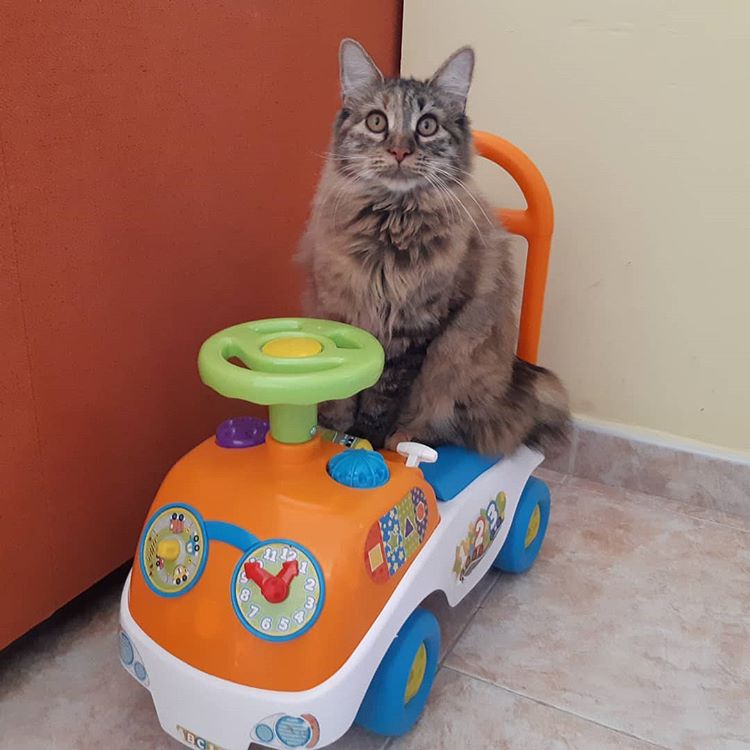
The Kurilian Bobtail's tail is one of its most distinctive features. It is short and fluffy, with a "pom-pom" kinked appearance, ranging from 2 to 10 vertebrae. This characteristic, along with its muscular build, makes the Kurilian a robust and sturdy cat. The tail's texture is often described as being soft and silky, adding to the breed's charming appearance.
Temperament and Behavior
The Kurilian Bobtail is known for its independent, highly intelligent, and clever nature. This breed is inquisitive, sociable, playful, and trainable, making it an engaging and interactive companion. Despite its wild look, the Kurilian Bobtail is gentle and lacks aggression, making it ideal for families with children. The breed's intelligence and adaptability are also reflected in its ease of training and ability to learn new tricks.
In the wild, the Kurilian Bobtail is an excellent fisher and hunter, which may explain its love for playing in water. This trait is not reflected in its temperament, which is marked by its clever and gentle disposition. Kurilians are known for their strong bond with their owners and their desire for companionship, which makes them excellent pets for individuals looking for a loyal and affectionate feline friend.
Lifespan and Health
The lifespan of a Kurilian Bobtail ranges from 15 to 20 years, which is relatively long for a cat breed. This long lifespan is attributed to the breed's natural development in the wild, which has resulted in a robust and healthy cat.
Other health concerns may include respiratory issues and a predisposition to certain genetic conditions, such as polycystic kidney disease. Responsible breeders conduct genetic testing to identify and reduce the incidence of these conditions within the breed.
Breed Standards and Ratings
The Kurilian Bobtail has been rated across various categories, with high scores in adaptability, affection level, child-friendliness, dog-friendliness, energy level, and social needs. The breed is also highly intelligent and trainable, which contributes to its high rating in these areas. Kurilians are known for their adaptability to different living situations, from apartments to large homes, and their ability to live harmoniously with other pets.
In terms of grooming, the Kurilian Bobtail has a medium shedding level and is considered low maintenance, which is reflected in its grooming rating. However, it is still important to provide regular care to keep its coat healthy and tangle-free, including regular brushing and occasional bathing, especially for long-haired Kurilians.
Buying and Owning a Kurilian
Due to their limited availability, Kurilian Bobtails may be more expensive than other cat breeds. Potential owners should be prepared for the investment required to acquire a purebred Kurilian and the ongoing costs associated with pet ownership, including food, veterinary care, and grooming.
It is also essential to consider the Kurilian's high energy level and social needs. These cats require regular interaction and mental stimulation to remain happy and healthy.
- Ensure that your home is equipped to accommodate a high-energy cat, with sturdy furniture and safe play areas.
- Look for a breeder who is knowledgeable about the breed and dedicated to producing healthy and well-adjusted Kurilians. Responsible breeders prioritize the welfare of their cats and adhere to ethical breeding practices.
Frequently Asked Questions
What is the lifespan of the Kurilian?
The average lifespan of the Kurilian is about 15 - 20 years. Good nutrition and regular veterinary care support a healthy life.
What is the temperament of the Kurilian?
The Kurilian is known for: Independent, Highly Intelligent, Clever, Inquisitive, Sociable, Playful, Trainable. Its affection rating is very high. Its energy level is high.
What size and weight is the Kurilian?
It is a medium-sized cat, typically around 4 - 7 kg as an adult.
Is the Kurilian easy to care for?
Available ratings indicate low grooming needs, and relatively low shedding. Routine brushing, ear and dental care, and nail trims are still recommended.
Is the Kurilian good with kids and other pets?
Available ratings indicate very high child-friendliness, and very high pet-friendliness. Supervised, gradual introductions are recommended.
How much exercise does the Kurilian need?
With a high energy level, it needs walks, play or training matched to its stamina.



