Origin and History
The Jämthund, also known as the Swedish Elkhound, originated in the Jämtland province of Sweden, a region known for its rugged landscape and rich hunting traditions. This spitz-type hunting dog has been a staple in Northern Europe for centuries, where it has been utilized for hunting a diverse range of game, including bear, elk, wolf, and lynx. The breed's name is derived from the Jämtland dialect word "jemte," which means "to drive" or "to drive home," reflecting its original purpose.
Official recognition of the Jämthund as a distinct breed came in 1946, the result of the efforts of individuals like Aksel Lindström, who were instrumental in establishing breed standards and promoting the breed. Prior to this, the Jämthund was often grouped with the Norwegian Elkhound, another spitz-type hunting dog, under the same breed classification, reflecting their close genetic and historical ties.
The breed's lineage can be traced back to a unique mitochondrial DNA sub-clade, d1, which is found exclusively in northern Scandinavia. This sub-clade is believed to have originated from a post-domestication male dog-female wolf hybridization, which occurred no more than 480-3,000 years ago. This hybridization has contributed to the development of Sámi-related breeds, including the Finnish Lapphund, Swedish Lapphund, Lapponian Herder, and the Black Norwegian Elkhound, among others. This unique genetic heritage has made the Jämthund a robust and resilient breed, capable of thriving in the harsh Nordic climate.
Physical Description
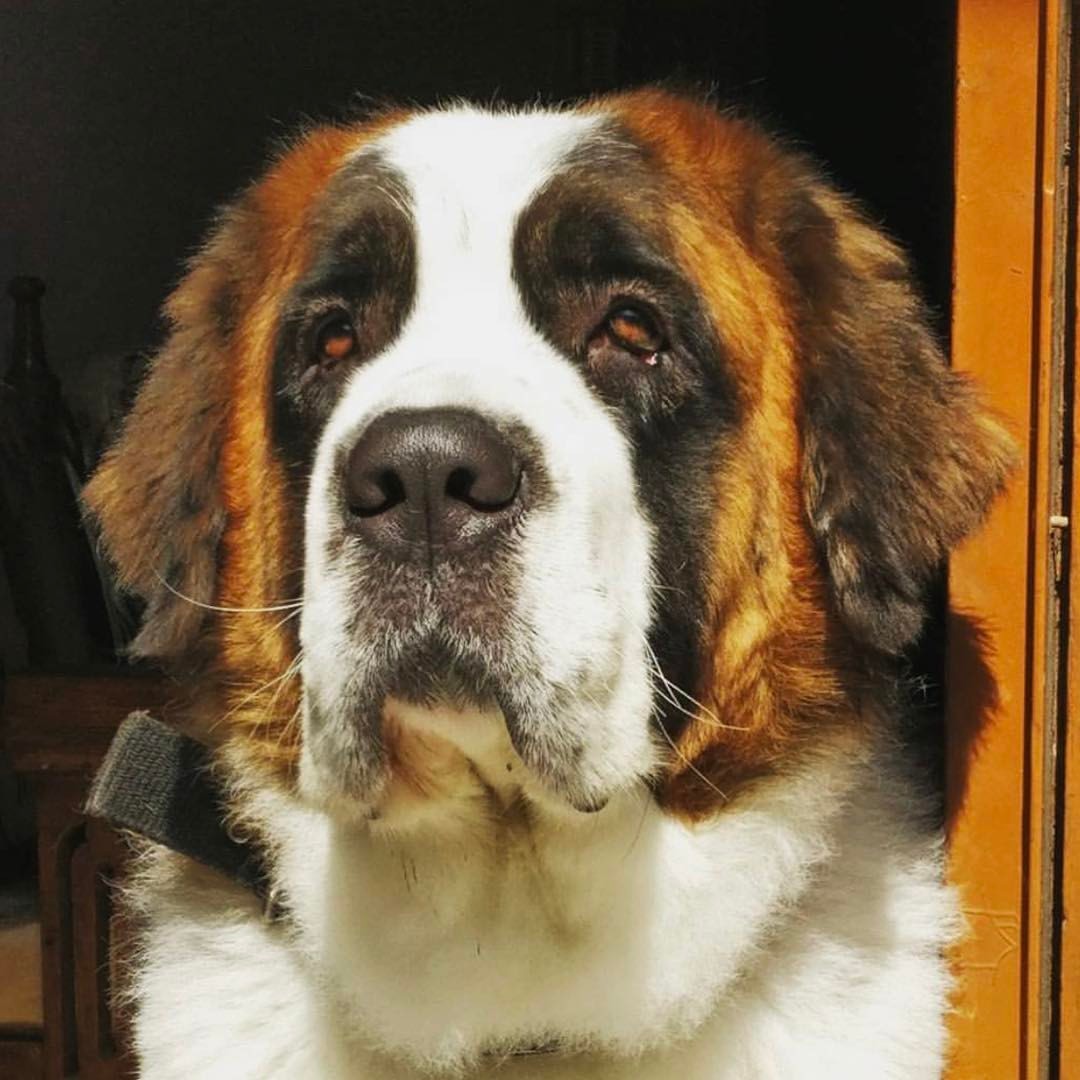
The Jämthund is a large, athletic dog with a wolf-like appearance and a strong build, designed for endurance and agility. Males typically stand between 57-65 centimeters tall at the shoulder and weigh 30-40 kilograms, while females are slightly smaller at 52-60 centimeters and 25-35 kilograms. This breed boasts a double coat with various shades of agouti, ranging from light gray to red and black, with a thick undercoat that provides insulation in cold weather.
The tail of the Jämthund is a distinctive feature, loosely curled and hanging on the back, neither too thin nor too tightly curled. When relaxed, the tail should hang straight down, and when the dog is excited or alert, it may be carried out. This breed can be distinguished from the Norwegian Elkhound by its taller and slimmer build, the different shape of the tail, and the absence of a black mask on the muzzle, which is a hallmark of the Norwegian Elkhound. The Jämthund's ears are erect and point forward, adding to its alert and noble appearance.
Temperament and Personality
Despite its calm and affectionate nature with its family, the Jämthund can exhibit dominance with other dogs and has a strong prey drive, which is a result of its hunting heritage. This breed is adaptable, able to transition seamlessly from a hunting trip to family life, maintaining its composure and stability in various environments. The Jämthund is known to be protective of its family and territory, making it an excellent watch dog.
The Jämthund is an intelligent breed that enjoys pleasing its owner. It is known for its courage, independence, alertness, and loyalty, making it a reliable and devoted companion. This breed is often described as having a "soft" or "gentle" nature, especially towards children, but its strong prey drive requires careful management and supervision around smaller animals or wildlife.
Life Span and Maintenance
The Jämthund has a life span of 12-13 years, which is considered average for large breed dogs.
This breed has a low energy level for its size, which may make it a good match for families who are less active or have a lifestyle that doesn't involve frequent exercise. However, the Jämthund is still a robust and athletic dog that would benefit from regular walks and playtime, especially during its youth and adolescence.
Breeding and Health
The Jämthund is a hound breed, bred for hunting large game under harsh Nordic conditions. This breed's unique genetic lineage, as part of the d1 mitochondrial DNA sub-clade, includes breeds that may have a higher susceptibility to certain health conditions. Additionally, they may be at risk for von Willebrand's disease, a blood disorder that can lead to bleeding episodes.
Compatibility and Household
The Jämthund may not be the best fit for first-time dog owners due to its strong prey drive and potential for dominance. This breed is best suited for experienced handlers who can provide firm leadership and training from an early age. It is also important for potential owners to consider the breed's size and energy level when assessing compatibility with their household and lifestyle.
Given its size and strength, the Jämthund may not be the ideal choice for households with small children, as it could accidentally cause harm during play. The Jämthund's strong prey drive also requires careful management when encountering wildlife or smaller pets, as it may not tolerate them well.
Buying a Jämthund: What to Consider
- Ensure the puppy comes from healthy parents with no known hereditary health issues. This can be verified through health clearances provided by the breeder.
- Ask for health clearances, such as hip and elbow evaluations, which can help identify potential health concerns and ensure the puppy's overall well-being.
- Consider the breed's exercise and grooming needs. The Jämthund requires regular walks, playtime, and grooming to maintain its coat and overall health.
- Be prepared for the financial investment required for a Jämthund. This includes costs for veterinary care, grooming, proper nutrition, and other accessories that contribute to the dog's well-being.
Choosing a Jämthund should be a well-informed decision, taking into account the breed's specific needs and the ability of the potential owner to meet them. Potential owners should also be aware of the breed's historical and cultural significance, as well as its role as a companion and working dog.
Frequently Asked Questions
What is the lifespan of the Jämthund?
The average lifespan of the Jämthund is about 12-13 years. Good nutrition and regular veterinary care support a healthy life.
What is the temperament of the Jämthund?
The Jämthund is known for: Courageous, Intelligent, Calm, Independent, Alert, Loyal, Devoted. Its energy level is low.
What size and weight is the Jämthund?
It is a large dog, typically around Male: 30-40; Female: 25-35 kg as an adult.
Is the Jämthund easy to care for?
Reliable grooming and shedding ratings are not available. Routine brushing, ear and dental care, and nail trims are still recommended.
Is the Jämthund good with kids and other pets?
Reliable child- and pet-friendliness ratings are not available. Supervised, gradual introductions are recommended.
How much exercise does the Jämthund need?
With a low energy level, it needs walks, play or training matched to its stamina.
Jämthund
Trait Scores
N/A