Origin and Recognition
The Cimarrón Uruguayo, also known as the Uruguayan Cimarrón, is a molosser-type dog breed that originated in Uruguay. This breed is officially recognized in Uruguay and by the Fédération Cynologique Internationale (FCI) under the name Cimarrón Uruguayo.
The breed was recognized by the Fédération Cynologique Internationale on November 7, 2017, and is categorized in Group 2, Section 2 under Molossoid breeds-Mastiff type. It was provisionally recognized by the FCI on February 21, 2006.
The Cimarrón Uruguayo was also recognized by the Kennel Club Uruguayo (Uruguayan national kennel club) after twenty years of work by fanciers and breeders in documenting the breed. Genetic studies on the breed are being conducted by the Universidad de la Republica Oriental del Uruguay college of Veterinary Medicine, which aims to understand the breed's genetic health and diversity.
Physical Description
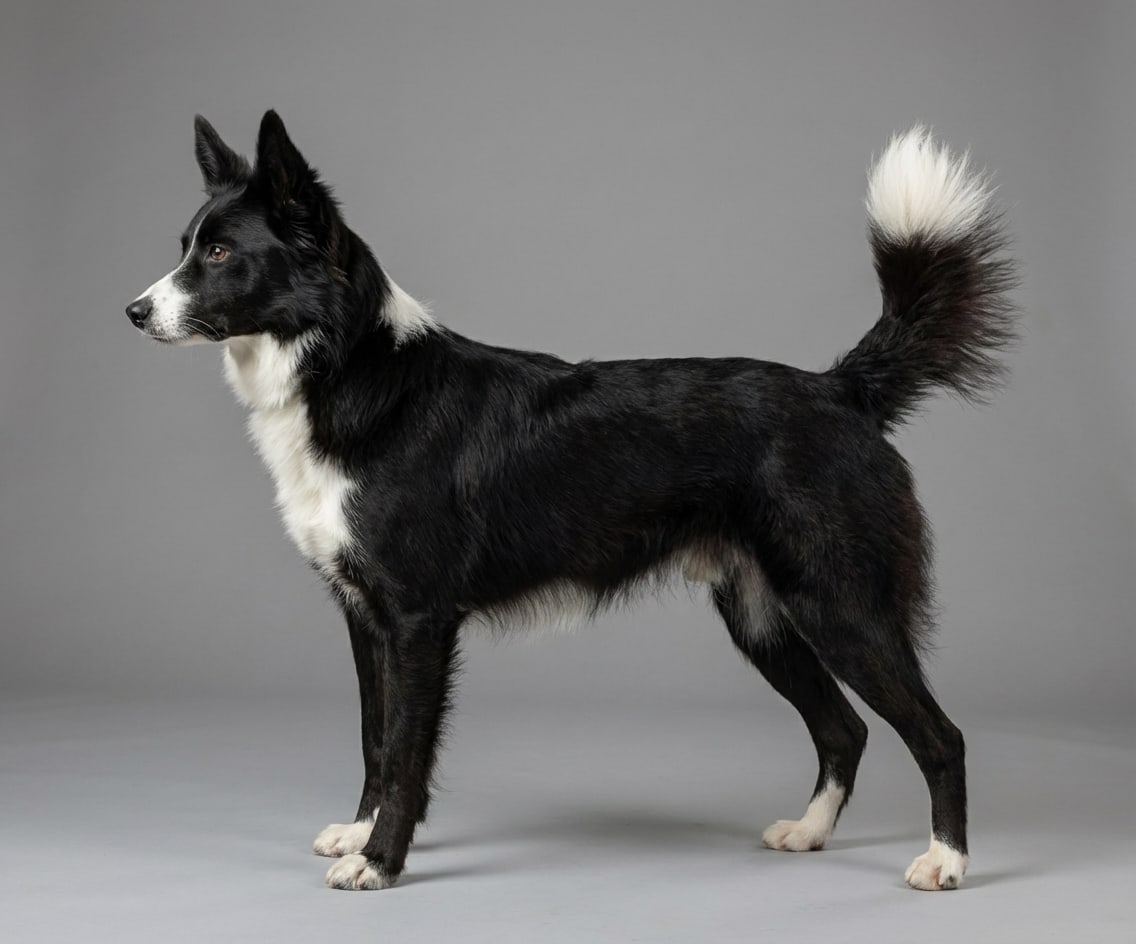
The Cimarrón Uruguayo is a large, powerful molossoid breed with a robust bone structure and an athletic build. Males typically stand at 58 to 61 cm (23 to 24 in) at the withers and weigh between 38 to 45 kg (84 to 99 lb), while females are slightly smaller, measuring 55 to 58 cm (21.7 to 22.8 in) and weighing 33 to 40 kg (73 to 88 lb).
These dogs have a short brindle or fawn coat, which is usually short and dense. Some may have a pale yellow coat known as "bayo" and a distinctive black face. The breed's coat may also exhibit a silver sheen, particularly on the back and flanks. The breed is known for its rugged and athletic appearance, which is well-suited for its working heritage and the rigorous conditions of Uruguay's rural landscapes.
Temperament and Behavior
The Cimarrón Uruguayo is described as having a great courage and is a very friendly dog, especially with children and other animals. However, as with all large dogs, it must be well socialized at a young age to ensure it can be safely kept as a companion. Socialization should include exposure to various people, pets, and environments to develop a balanced temperament.
This breed is known for its calm and stable temperament, and it does not usually bark unless it perceives a real threat. Its intelligence has led to its use in various jobs, such as rescue or herding, and it is sometimes used for guarding and hunting in its native Uruguay. The Cimarrón Uruguayo's agility and strength make it particularly adept at these tasks.
The Cimarrón Uruguayo is a protective breed, and it has a natural instinct to guard its territory and family. Its loyalty and confidence make it a reliable and courageous companion, qualities that have earned it a place as the mascot of the National Army of Uruguay.
History and Development
The Cimarrón Uruguayo primarily descends from the Alano Español and other European dogs brought by early colonizers. These dogs were released or abandoned and adapted to living in the wild in Uruguay, eventually becoming numerous. The breed's origins can be traced back to the early 18th century when Spanish conquistadors introduced various breeds to the region.
In the eighteenth century, the breed was hunted by the government due to attacks on livestock and humans. However, many Cimarrón Uruguayos remained, especially in the highlands of Cerro Largo. Ranchers in the area would capture and tame these dogs, using them as guard dogs to protect their herds and property. The breed's survival story and its fierce nature have made it a symbol of Uruguay, and it is the mascot of the National Army of Uruguay.
The Cimarrón Uruguayo has been exported to the United States and is recognized by the United Kennel Club in the Guardian Dog Group. The breed's reputation for loyalty and bravery has made it a popular choice for those seeking a reliable and protective companion.
Health Considerations
Health issues that can affect the Cimarrón Uruguayo include hip and elbow dysplasia, which can lead to mobility problems and discomfort.
The breed's ears are often cropped short when the dogs are very young, a practice that is said to be in homage to the days when they were hunted, with the ears presented for a bounty. This practice is common among most fighting dog breeds and is typically done for aesthetic reasons or to prevent injuries during physical activities.
Living with a Cimarrón Uruguayo
Its protective nature and loyalty make it an excellent choice for families looking for a guard dog.
They also benefit from having a job or a role within the household, such as herding livestock or providing security.
Caring for a Cimarrón Uruguayo
Buying a Cimarrón Uruguayo
- Ensure the dog has been properly socialized from a young age to develop a well-rounded temperament.
- Look for a breeder who conducts health screenings, including hip and elbow dysplasia tests, and eye exams for hereditary eye diseases.
- Be prepared for the dog's low adaptability to new environments and situations, as well as its low affection level, which can be attributed to its protective instincts.
- Invest time in training to harness the dog's intelligence and loyalty, ensuring a well-behaved and reliable companion.
Frequently Asked Questions
What is the lifespan of the Cimarrón Uruguayo?
The average lifespan of the Cimarrón Uruguayo is about 10-12 years. Good nutrition and regular veterinary care support a healthy life.
What is the temperament of the Cimarrón Uruguayo?
The Cimarrón Uruguayo is known for: Courageous, Intelligent, Loyal, Protective, Calm, Confident. Its energy level is low.
What size and weight is the Cimarrón Uruguayo?
It is a large dog, typically around Male: 38-45; Female: 33-40 kg as an adult.
Is the Cimarrón Uruguayo easy to care for?
Reliable grooming and shedding ratings are not available. Routine brushing, ear and dental care, and nail trims are still recommended.
Is the Cimarrón Uruguayo good with kids and other pets?
Reliable child- and pet-friendliness ratings are not available. Supervised, gradual introductions are recommended.
How much exercise does the Cimarrón Uruguayo need?
With a low energy level, it needs walks, play or training matched to its stamina.
Cimarrón Uruguayo
Trait Scores
N/A