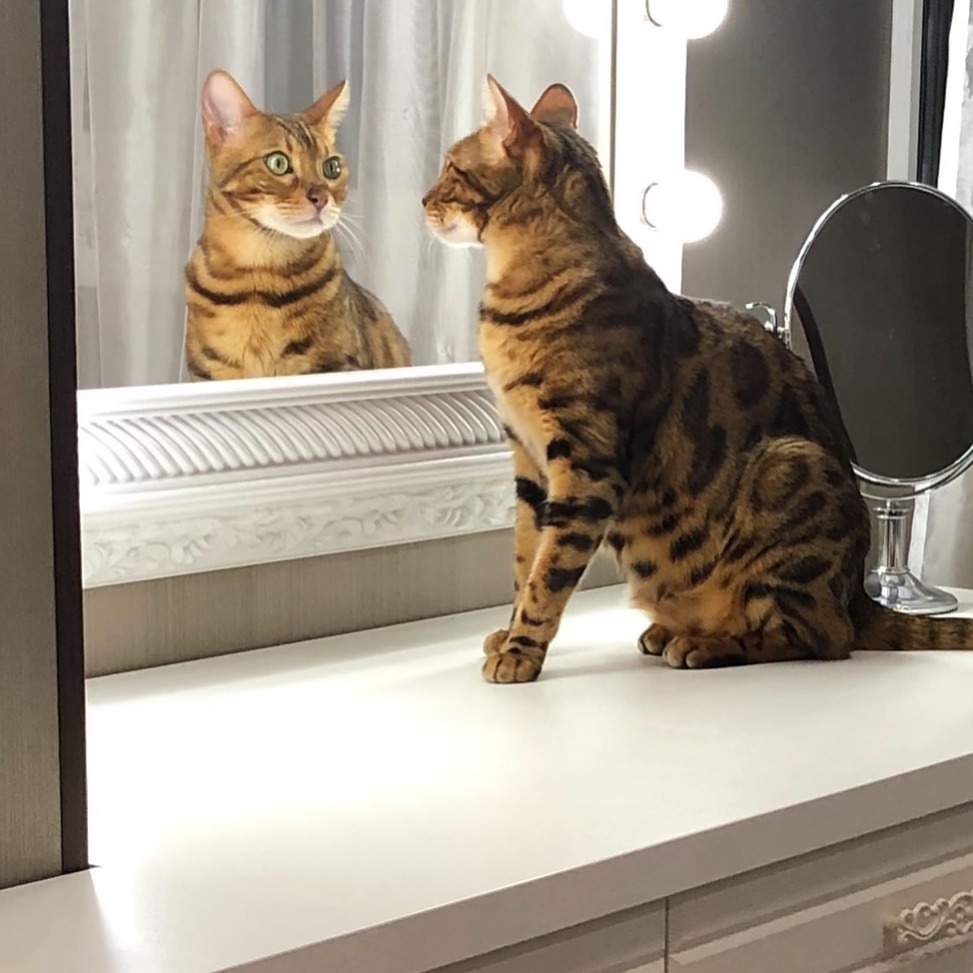
About the Cheetoh
The Cheetoh is a cat breed originating from the United States, known for its affectionate nature and strong bond with human companions. This breed is highly intelligent and capable of quick learning, making them fun and playful pets. The Cheetoh's life expectancy ranges from 12 to 14 years, and they maintain a medium to large size, weighing between 4 and 7 kg. Although their height is not recorded in centimeters, these cats are energetic and enjoy exploring every corner of their home, jumping and running with enthusiasm, often reaching speeds of up to 75 miles per hour in short bursts.
Breed Origin and Registration
The Cheetoh's development began with the hybridization of the Asian leopard cat (Prionailurus bengalensis) with domestic cats, particularly the spotted tabby Egyptian Mau. This unique breeding process has resulted in a breed with a range of appearances, from domestic spots to hybrid rosettes, arrowhead markings, and marbling patterns. The breed's name is derived from the Asian leopard cat's taxonomic name, with the species epithet bengalensis referring to the Bengal region of South Asia. The breed was not widely recognized until much later, but it gained acceptance as a new breed by The International Cat Association (TICA) in 1986 and achieved TICA championship status in 1991. Other major cat registries, such as the GCCF and FIFe, have also recognized the Bengal cat, which is a direct ancestor of the Cheetoh. As of 2023, there are approximately 5,000 registered Cheetohs in the United States, with the breed being particularly popular in the states of California, Texas, and Florida.
Coat Characteristics and Genetic Makeup
The Cheetoh's coat is medium in length and exhibits various colors and patterns, including black, blue, spotted (rosetted and marbled), and three-colorpoint restriction patterns known as "snow. " The breed is the only domestic cat with rosette markings, inherited from the Asian leopard cat's wild ancestry. Genetic studies have shown that Bengal cats, and by extension the Cheetoh, have an average of 3.48% leopard cat DNA, with this genetic contribution being broadly distributed across 93% of the leopard cat genome. This genetic blend is what gives the Cheetoh its distinctive coat patterns and behaviors. Long-haired Bengals have also been developed since the breed's early stages, with the long-hair trait being recessive. Genetic testing, such as that developed by the UC Davis, enables breeders to identify carriers for selective breeding purposes, ensuring the health and diversity of the breed.
Health Concerns and Genetic Disorders
Hypertrophic cardiomyopathy (HCM) is a major concern for Cheetohs, causing the heart muscle to become abnormally thick, making it difficult for the cat's heart to pump blood effectively. Bengal cats, and thus the Cheetoh, are also susceptible to Bengal progressive retinal atrophy (PRA-b), a genetic disease that causes gradual vision loss and eventual blindness. Erythrocyte pyruvate kinase deficiency (PK-deficiency or PK-def) is another genetic condition that affects Bengal cats and should be carefully managed. While the Cheetoh may be less likely to cause allergic reactions than some other breeds, it is not scientifically proven to be hypoallergenic. Owners with severe allergies should be cautious when considering this breed.
Lifestyle and Grooming Needs
They enjoy playing, running, and jumping, making them well-suited for homes with room to roam and explore. In terms of grooming, the Cheetoh has a medium shedding level, so regular brushing can help manage hairballs and keep their coat healthy. Grooming requirements are relatively low for this breed, but they do appreciate regular attention and care, including occasional nail trimming and ear cleaning.
Choosing a Cheetoh and Considerations for Ownership
When considering adding a Cheetoh to your home, there are several factors to keep in mind. Here is a practical buying checklist to consider:
- Space: Ensure you have enough room for your Cheetoh to play and run. They require a home with at least one open space where they can stretch and leap.
- Time: Commit to spending quality time with your cat, including playtime, grooming, and attention.
- Companionship: If you live alone, consider if you can meet the social needs of this affectionate breed. They enjoy the company of other pets and humans alike.
- Financial: Be prepared for the costs associated with owning a pet, including veterinary care, food, and grooming. The initial cost of purchasing a Cheetoh can range from $1,000 to $1,500, and ongoing expenses should be budgeted accordingly.
The Cheetoh is a loving and intelligent breed that can be a great addition to the right home. By ensuring you can meet their needs and provide a loving environment, you can enjoy many years of companionship with this energetic and affectionate cat.
Training and Socialization
Training a Cheetoh involves patience and positive reinforcement. They are intelligent and respond well to training, but they may also have a strong-willed nature. Socialization should begin early in a Cheetoh's life to ensure they are comfortable around people and other animals. This involves exposing them to various environments, sounds, and experiences to help them become well-rounded and adaptable pets.
Training can include basic commands such as "sit," "stay," and "come," as well as more advanced tricks. Consistency and rewards are key to successful training. Socialization should also include introducing them to different types of pets and people, as well as teaching them to be gentle and respectful of others.
Frequently Asked Questions
What is the lifespan of the Cheetoh?
The average lifespan of the Cheetoh is about 12 - 14 years. Good nutrition and regular veterinary care support a healthy life.
What is the temperament of the Cheetoh?
The Cheetoh is known for: Affectionate, Gentle, Intelligent, Social. Its affection rating is very high. Its energy level is moderate.
What size and weight is the Cheetoh?
It is a medium-sized cat, typically around 4 - 7 kg as an adult.
Is the Cheetoh easy to care for?
Available ratings indicate low grooming needs, and low shedding. Routine brushing, ear and dental care, and nail trims are still recommended.
Is the Cheetoh good with kids and other pets?
Available ratings indicate high child-friendliness, and very high pet-friendliness. Supervised, gradual introductions are recommended.
How much exercise does the Cheetoh need?
With a moderate energy level, it needs walks, play or training matched to its stamina.



