Origin and History
The Chausie cat, a strikingly beautiful hybrid, traces its origins back to Egypt, where the first hybrids of the jungle cat (Felis chaus) and the domestic cat (Felis catus) may have been born thousands of years ago. The Chausie's unique appearance and temperament have fascinated cat enthusiasts for centuries.
In the 1960s and 1970s, a few individuals began experimenting with breeding these two species, aiming to provide a pet alternative to non-domestic cats. These early breeders included Jean Mill, who is often credited with being the founder of the Chausie breed. Mill's work laid the foundation for the breed's development.
However, it wasn't until the 1990s that the Chausie breed truly emerged, with breeders formalizing the name "Chausie" and developing a planned breeding program. The breed's development was also influenced by other breeders, such as Pat Hruby, who further contributed to the breed's standardization.
In 1995, the Chausie was officially recognized and pedigreed by The International Cat Association (TICA) under the "non-domestic hybrid source breed" category. This recognition marked a significant milestone for the breed, as it was the first time a hybrid cat had been officially recognized by a major cat registry. By the fourth to fifth generation, Chausies have fully domestic temperaments and are fully fertile, making them suitable as pets.
Breed Standard and Appearance
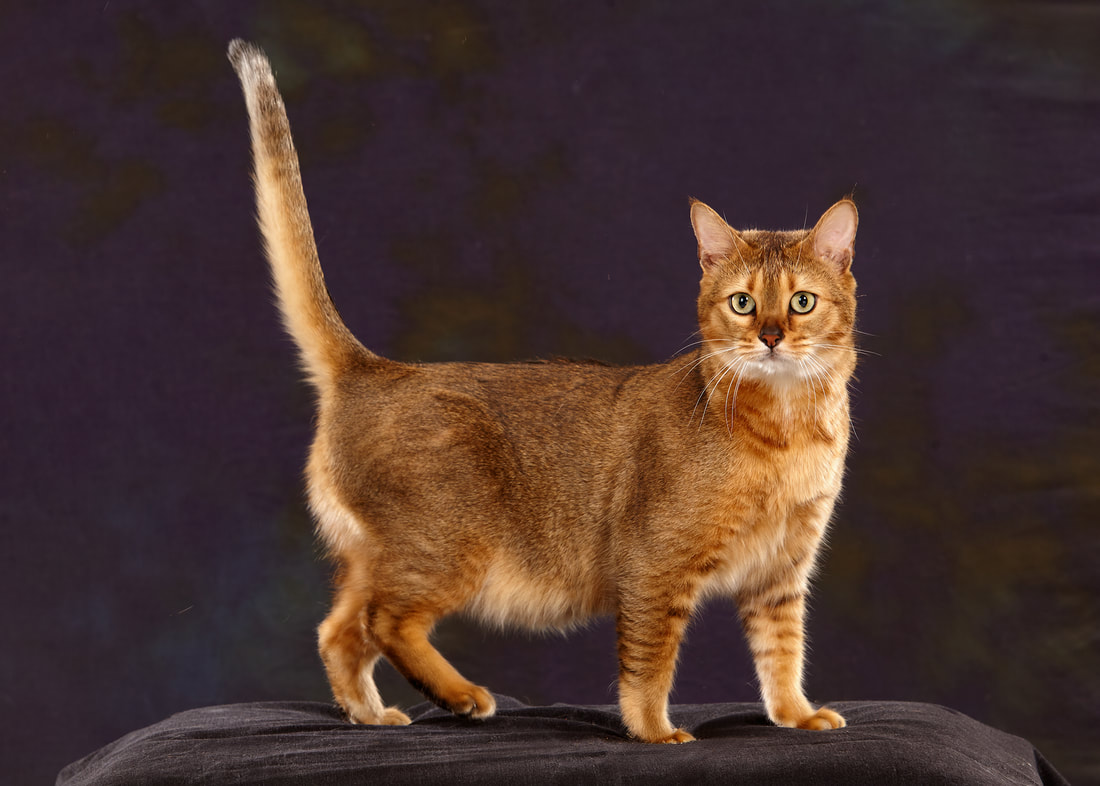
Chausies are medium to large in size, with adult males typically weighing 5-7.5 kg (11-16 lb) and adult females 3.5-6 kg (8-13 lb). They have a long, muscular body, a deep-chested, flat-sided torso, and a distinctive, wild-looking appearance that sets them apart from other domestic cat breeds.
Their coat can be solid black, black grizzled tabby, or black ticked tabby, with gold or yellow eyes preferred. The black grizzled tabby pattern, unique to Chausies, is derived from the jungle cat and features a dark brownish black background with alternating bands of off-white hair and black tips. This pattern is a direct result of the Chausie's jungle cat heritage.
The black ticked tabby has black ticking, stripes on the inside of the upper legs, and a black tail tip. The coat patterns and colors of Chausies can vary, but these are the most common and are considered part of the breed standard.
Chausies have a muscular build, strong legs, and a distinctive ruff around the neck, which is reminiscent of the jungle cat. Their ears are large and pointed, and their tail is long and bushy, adding to their exotic appearance.
Temperament and Behavior
Chausies are known for their intelligence, active nature, and athleticism. They are playful, especially as kittens, but also retain a playfulness and curiosity throughout their lives. This playfulness is one of the traits that make Chausies popular as pets.
They are affectionate and social, needing the company of either humans or other cats. Chausies form deep bonds with their owners and can be very attached to them. This attachment can make them difficult to re-home as adults, especially if they have not been properly socialized from a young age.
Chausies are often very busy as kittens and can form deep bonds with people, which may make them difficult to re-home as adults. Their social needs are high, and they require regular interaction and mental stimulation to remain happy and healthy.
They get along well with dogs if raised with them, and their high adaptability and friendly nature make them suitable for a variety of households. Chausies are known for their ability to adapt to different environments and lifestyles, making them versatile pets.
Health Considerations
Chausies may inherit a shorter intestinal tract similar to that of their non-domestic ancestors, which can be prone to processing plant-based ingredients and may lead to chronic inflammatory bowel disease (IBD). Owners should be aware of this and monitor their cat's diet for any food allergies or sensitivities.
Other health conditions that may affect Chausies include hip dysplasia, a genetic condition that can cause pain and mobility issues in older cats.
Chausies may also be prone to certain eye conditions, such as progressive retinal atrophy (PRA), which can lead to vision loss.
Breed Registry and Outcrosses
The TICA rules dictate that Chausies must be at least four generations removed from the jungle cat ancestor (F4) and have three generations of registered Chausie ancestors to be eligible for competition at shows. This ensures that the breed maintains its distinct characteristics and genetic health.
During the early development of the Chausie breed, permissible outcrosses included the Abyssinian and domestic shorthair cats. These outcrosses were used to improve the breed's temperament, coat texture, and overall health. However, any kind of purely domestic outcross was allowed in practice, contributing to the breed's diverse and healthy genetic foundation.
As the breed has matured, stricter breeding guidelines have been established to maintain the breed's integrity. Today, Chausies are bred primarily within the breed, with occasional outcrosses to other breeds only when necessary to maintain genetic diversity and health.
Lifetime and Care
Chausies have an average lifespan of 12-14 years, which is similar to that of many domestic cat breeds. However, their high energy levels and active nature require a considerable amount of space to fully embrace their hunting instincts and high energy levels.
While they are considered medium shedding, some shedding may occur, especially during shedding season.
Intelligent and trainable, Chausies respond well to training and can be taught various commands and tricks. Their high adaptability and social needs make them a great choice for owners willing to invest time and effort into their pet's well-being. Training and socialization should begin early in life to ensure that Chausies develop into well-behaved, well-adjusted pets.
Buying Checklist and Cost Realism
Reputable breeders will be transparent about the cat's health and genetic history.
Costs can range from a few hundred to several thousand dollars, depending on the breeder, the cat's lineage, and the specific characteristics of the individual cat.
Ensure that your home can accommodate the Chausie's high energy levels and need for space. They require a safe, stimulating environment with room to run and play. A securely fenced yard or access to a safe outdoor area can provide them with the exercise they need.
Lastly, be ready to provide companionship and attention to this intelligent and social breed. A Chausie is a lifelong commitment that requires time, effort, and a love for the unique and wild beauty of this hybrid cat.
Frequently Asked Questions
What is the lifespan of the Chausie?
The average lifespan of the Chausie is about 12 - 14 years. Good nutrition and regular veterinary care support a healthy life.
What is the temperament of the Chausie?
The Chausie is known for: Affectionate, Intelligent, Playful, Social. Its affection rating is very high. Its energy level is high.
What size and weight is the Chausie?
It is a medium-sized cat, typically around 3 - 7 kg as an adult.
Is the Chausie easy to care for?
Available ratings indicate moderate grooming needs, and moderate shedding. Routine brushing, ear and dental care, and nail trims are still recommended.
Is the Chausie good with kids and other pets?
Available ratings indicate high child-friendliness, and very high pet-friendliness. Supervised, gradual introductions are recommended.
How much exercise does the Chausie need?
With a high energy level, it needs walks, play or training matched to its stamina.



