Origin and Purpose
The Anglo-Français de Petite Vénerie, a medium-sized breed, has its origins rooted in France. This breed was meticulously developed through the crossing of older Anglo-French hounds with Harrier (Beagle) and Poitevin dogs, as well as the Petit Gascon-Saintongeois and the Petit bleu de Gascogne. The breed was specifically bred for hunting small game in the Chasse-à-Tir, a traditional hunting method where the pack circles the game animal and chases it back towards the hunter. This method requires a breed that is agile, determined, and able to maintain a high level of endurance.
Before 1978, this breed was known as the Petit Anglo-Français, reflecting its status as the smallest of the Anglo-French hounds. The breed's recognition in France is managed by the Société Centrale Canine, the French Kennel Club, and internationally by the Fédération Cynologique Internationale, which places it in Group 6, Scenthounds. In France, the breed is primarily bred and kept as a hunting dog, rather than as a pet or showdog, which reflects its historical and cultural significance in French society.
The breed has been exported to North America, where it is recognized by the United Kennel Club in its Scenthound Group. The exportation of the breed to North America has allowed for a broader appreciation of its unique hunting abilities and has provided opportunities for enthusiasts outside of France to engage with the breed.
Physical Description
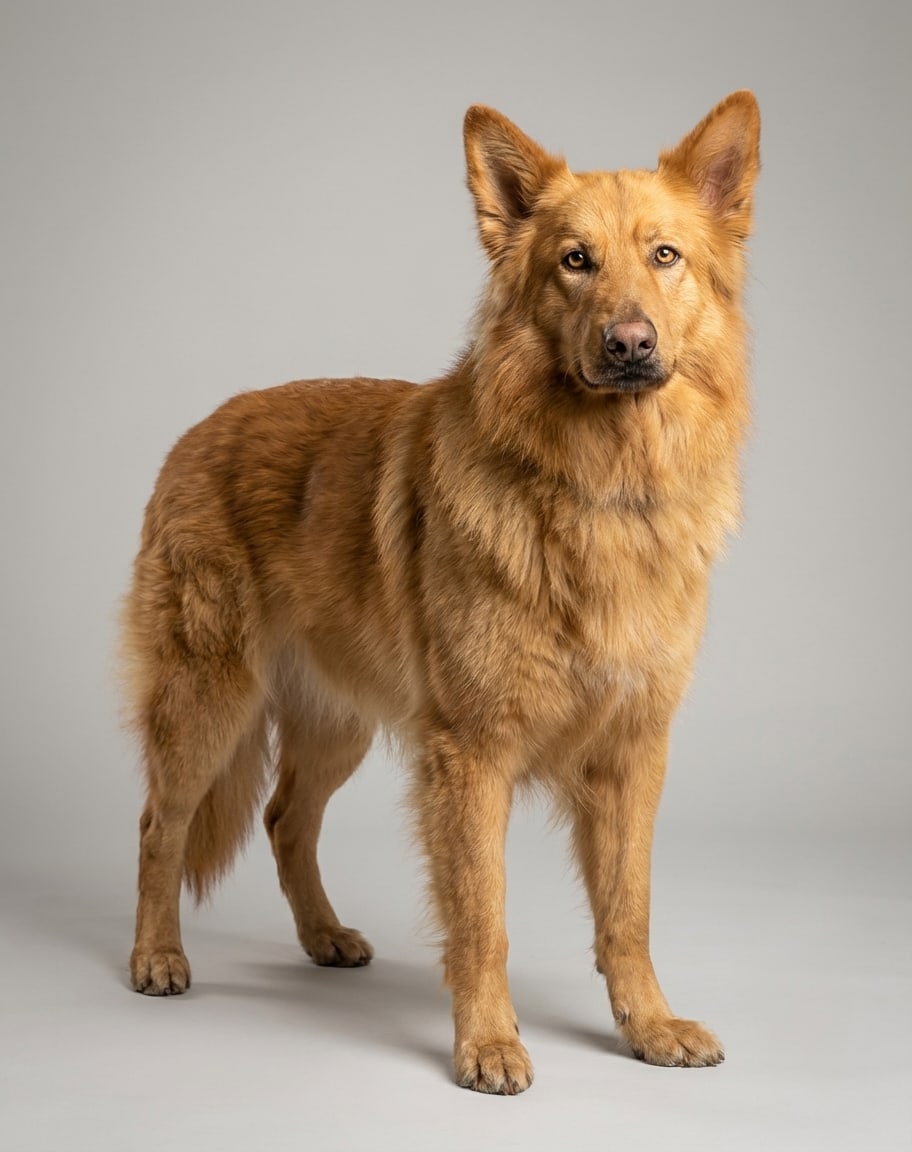
The Anglo-Français de Petite Vénerie is a well-balanced scenthound with a short tricolor coat, typically consisting of white, black, and tan. Adult dogs typically weigh between 16-20 kg and stand at a height of 48-56 cm at the withers. The breed's physical structure is designed for agility and speed, essential for hunting small game. Their energetic and intelligent nature is reflected in their alert posture and movement, which is fluid and powerful.
Despite its hunting instincts, the Anglo-Français de Petite Vénerie is not considered hypoallergenic, as indicated by a rating of 0 on the hypoallergenic scale. This means that individuals with allergies to dog dander may still experience symptoms when in the presence of this breed. The breed's coat length is short, which simplifies grooming requirements and reduces the amount of shedding, making it easier to maintain a clean and healthy coat.
Temperament and Behavior
These dogs are known for their energetic and intelligent nature. They are alert, loyal, and work-focused, making them ideal for hunting roles.
While there are no documented breed-specific health problems, the breed is prone to ear infections due to its drop ears, a common issue in similar breeds.
Health Considerations
Like all drop-eared breeds, the area under the ear of the Anglo-Français de Petite Vénerie is susceptible to infections, which can be a concern for owners.
Other potential health concerns that may arise in any breed include hip dysplasia, which can affect large breeds, and other joint issues that may arise due to the breed's physical demands.
Lifestyle and Compatibility
The Anglo-Français de Petite Vénerie is best suited for individuals or families who live in rural areas and can provide ample space for exercise. Their high energy levels and hunting instincts mean they require a significant amount of daily physical activity and mental stimulation.
They may not be the best choice for families with young children, as their strong hunting instincts can sometimes lead to inappropriate behavior, such as chasing small animals. Potential owners should consider their lifestyle and living situation carefully to ensure they can provide the appropriate environment and care for this energetic and pack-oriented breed.
Training and Socialization
Training the Anglo-Français de Petite Vénerie is relatively straightforward due to their high intelligence and trainability. They are eager to please and respond well to positive reinforcement training methods. Exposing them to various people, dogs, and environments can help them develop into well-rounded and well-behaved companions. Socialization not only helps in managing their hunting instincts but also in ensuring they are comfortable in various social settings.
Given their hunting background, they may have a strong prey drive, which requires careful management and training. owners should be patient and consistent in their training approach, as this breed can be independent and may challenge the authority of their owners if not properly trained.
Buying an Anglo-Français de Petite Vénerie
When considering the purchase of an Anglo-Français de Petite Vénerie, potential owners should take into account the following factors:
- Ensure the dog comes from a reputable breeder who can provide health clearances, including certifications for hip and elbow dysplasia, and a family history that indicates good health and temperament.
- Assess whether your lifestyle and living situation can accommodate the needs of this energetic and pack-oriented breed. Consider the space available for exercise, the level of daily care required, and the ability to provide consistent training and socialization.
- Be prepared for the ongoing costs associated with owning an Anglo-Français de Petite Vénerie, including veterinary care, grooming, and the purchase of appropriate equipment for exercise and training.
Frequently Asked Questions
What is the lifespan of the Anglo-Français de Petite Vénerie?
The average lifespan of the Anglo-Français de Petite Vénerie is about 12-14 years. Good nutrition and regular veterinary care support a healthy life.
What is the temperament of the Anglo-Français de Petite Vénerie?
The Anglo-Français de Petite Vénerie is known for: Energetic, Intelligent, Alert, Loyal, Work-focused, Devoted. Its energy level is high.
What size and weight is the Anglo-Français de Petite Vénerie?
It is a large dog, typically around 16-20 kg as an adult.
Is the Anglo-Français de Petite Vénerie easy to care for?
Reliable grooming and shedding ratings are not available. Routine brushing, ear and dental care, and nail trims are still recommended.
Is the Anglo-Français de Petite Vénerie good with kids and other pets?
Reliable child- and pet-friendliness ratings are not available. Supervised, gradual introductions are recommended.
How much exercise does the Anglo-Français de Petite Vénerie need?
With a high energy level, it needs walks, play or training matched to its stamina.
Anglo-Français de Petite Vénerie
Trait Scores
N/A