Origin and History
The Alano Español, also known as the Spanish Bulldog, is a Spanish breed with origins that remain shrouded in mystery. One hypothesis suggests that the breed may have originated from dogs brought to Spain in the fifth century by the Alani, a nomadic pastoralist people from Central Europe. This theory is supported by the first written reference to the breed in Spain, which dates back to the fourteenth century, within the Libro de la Montería de Alfonso XI, where hunting dogs called Alani are described. These dogs accompanied Spanish explorers and were used as war dogs in the subjugation of Native American peoples and in the re-capture of slaves.
Throughout history, the Alano Español has been employed in various roles, including as a war dog, in bullfighting, for cattle management, hunting, and as a guard dog. The breed's versatility was such that it was capable of handling tasks that required strength, agility, and intelligence. However, the breed faced a decline in the late nineteenth century due to changes in livestock management, the prohibition of dogs in bullfighting rings, and the introduction of foreign hunting dogs, which were considered more efficient and modern.
Physical Characteristics
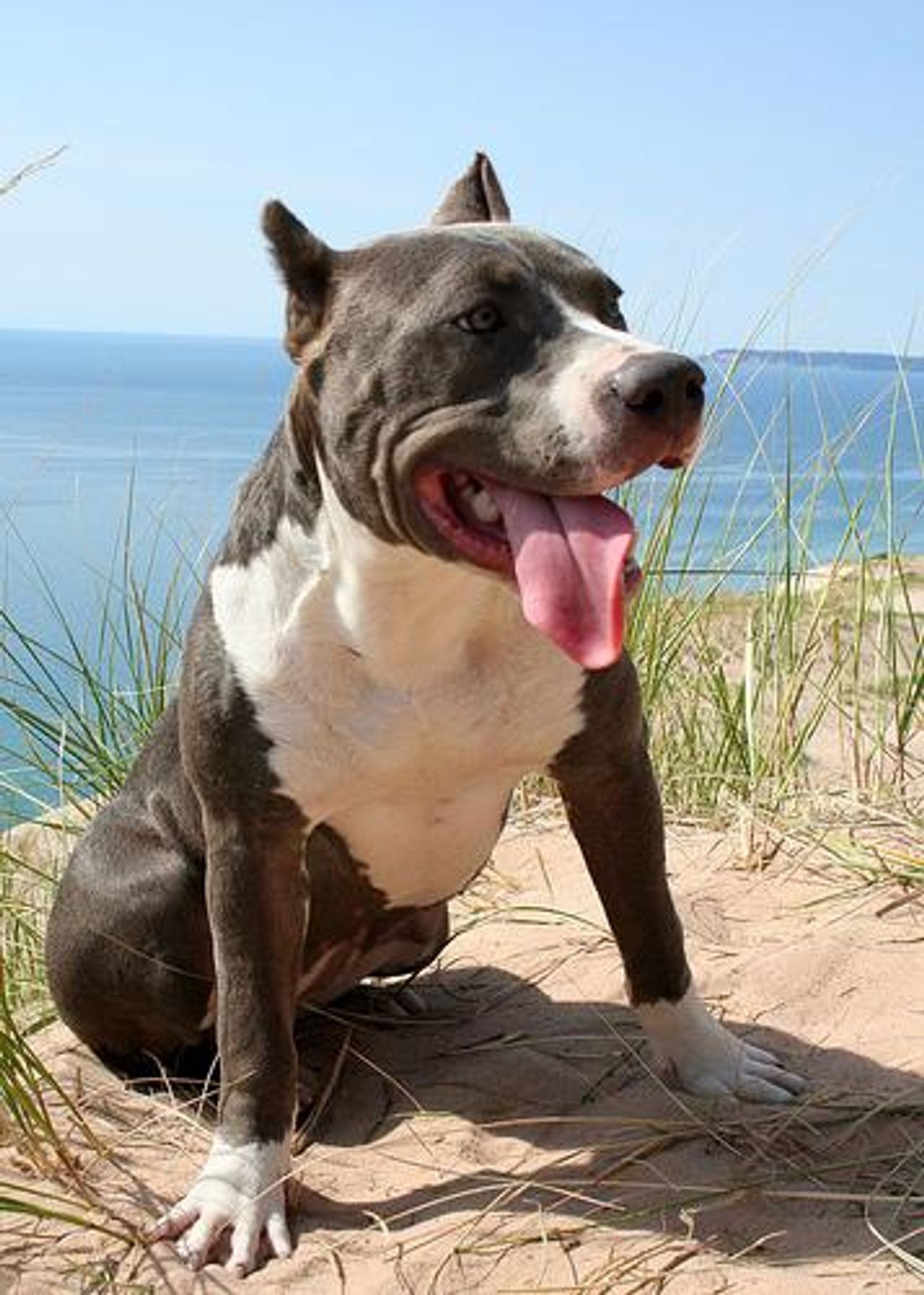
The Alano Español is a large dog, with males standing at 58-65 cm at the withers and weighing 34-40 kg, while females are slightly smaller, reaching 55-61 cm at the withers and weighing 30-38 kg. This size and strength make them capable of performing heavy work. Characterized by a short and thick coat, the Alano Español often has a brindle coat color, which may include shades of grey, blue, fawn, or black. The brindle pattern is a distinctive feature of the breed, and it is desirable in conformation shows. White markings on the neck, chest, or paws are acceptable but excessive white is discouraged, as it is not in line with the breed's original coloration.
The breed's head is large, strong, and squarish, with a brachycephalic (short-skulled) structure that is a hallmark of the breed. The muzzle is short, making up approximately 37% of the head's length, which can lead to potential respiratory issues. The lower jaw is slightly concave, and the teeth are a full scissor bite. The ears are set high and are typically pendent if not cropped, and the skin is very thick, with neck folds and some wrinkles on the face. These folds and wrinkles require regular cleaning to prevent skin infections and irritation.
Temperament and Behavior
The Alano Español is known for its loyal, courageous, protective, intelligent, and confident temperament. This breed has strong working instincts and was historically used as a catch dog for large game and cattle work. The breed's natural instinct to work and its physical strength make it well-suited for tasks that require stamina and determination. Despite its serious expression, the Alano Español is sociable with other dogs, which is a result of its history as a hunting dog that worked in packs. This sociability makes the breed suitable for households with other pets, including those with dogs and livestock. However, the Alano Español is not considered highly friendly towards strangers, which is a trait that may be desirable for those looking for a guard dog. This natural wariness is part of the breed's heritage as a protective and alert working dog.
The breed's temperament also reflects its historical roles. It is even-tempered, making it a good family pet, yet it retains enough reserve to be effective at its protective duties. This combination of traits makes the Alano Español a versatile and reliable companion, capable of adapting to various living situations and roles.
Breed Standard and Recognition
The Alano Español was officially recognized under national law in Spain in 2004 by the Ministerio de Agricultura, Pesca y Alimentación, the Spanish ministry of agriculture. This recognition was part of a broader effort to preserve and promote indigenous Spanish breeds, a movement that gained momentum in the late 20th century as breeders and enthusiasts sought to protect the country's canine heritage. Despite its official recognition, the Alano Español is not recognized by the Fédération Cynologique Internationale (FCI), which is the main international canine registry. This means that the breed may not be eligible for certain international dog shows and competitions, limiting its exposure on a global scale.
In the 1980s, a breed standard was drawn up to provide guidelines for breeders and judges. The standard describes the ideal Alano Español in terms of physical appearance, temperament, and working ability. A stud-book was also started to ensure the breed's genetic integrity, a critical step in maintaining the breed's unique characteristics and health. Two breed societies, the Asociación Nacional de Criadores de Alano Español and the Sociedad Española de Fomento y Cría del Alano Español, were formed to support the breed's recovery and maintenance. These societies work to promote the breed and to ensure that it remains a viable and healthy breed into the future.
Health Considerations
The breed's brachycephalic head structure can lead to respiratory problems, particularly in hot weather or during intense exercise. These issues can include snoring, difficulty breathing, and in severe cases, respiratory distress.
The thick skin and folds on the neck and face can also be prone to skin infections, especially if not kept clean and dry.
Use and Working Abilities
The Alano Español has a rich history of working as a catch dog for large game and cattle. This breed's strength, agility, and intelligence make it well-suited for various working roles, including hunting, guarding, and managing livestock. Its loyalty and protective nature have historically made it an excellent choice for families looking for a working dog with a strong sense of duty. The Alano Español was also used in bullfighting, where its strength and tenacity were prized. Although this practice has significantly declined, the breed's working heritage continues to influence its temperament and behavior.
Historically, the Alano Español was also used in cattle herding and driving, taking advantage of its strength and intelligence to handle large groups of livestock. This role required a keen sense of observation and a strong bond with the livestock, traits that are still evident in the breed today. Despite the decline in traditional working roles, the Alano Español remains a versatile breed that can adapt to various activities and environments, provided it receives adequate training and socialization. The breed's adaptability makes it a valuable asset to individuals with specific working needs, such as law enforcement or search and rescue.
Buying an Alano Español
In Spain, where the breed is most prevalent, prices can range from €500 to €1500 for a puppy from a registered breeder. The cost of veterinary care, including routine vaccinations, spaying or neutering, and potential medical treatments for genetic or breed-specific health issues, should also be considered.
Grooming costs can add up over time, along with the cost of food, which should be high-quality and appropriate for a large, active dog. Additionally, the Alano Español is a breed that requires ample exercise and mental stimulation, so costs for activities such as dog sports, training classes, or agility courses may also be a part of the budget.
Before bringing an Alano Español into your home, ensure that your living situation is suitable for this large, energetic breed. This breed is not suitable for every home, and potential owners should carefully consider their lifestyle and living environment to ensure they can meet the breed's needs.
Frequently Asked Questions
What is the lifespan of the Alano Español?
The average lifespan of the Alano Español is about 10-14 years. Good nutrition and regular veterinary care support a healthy life.
What is the temperament of the Alano Español?
The Alano Español is known for: Loyal, Courageous, Protective, Intelligent, Confident. Its energy level is moderate.
What size and weight is the Alano Español?
It is a large dog, typically around Male: 34-40; Female: 30-38 kg as an adult.
Is the Alano Español easy to care for?
Reliable grooming and shedding ratings are not available. Routine brushing, ear and dental care, and nail trims are still recommended.
Is the Alano Español good with kids and other pets?
Reliable child- and pet-friendliness ratings are not available. Supervised, gradual introductions are recommended.
How much exercise does the Alano Español need?
With a moderate energy level, it needs walks, play or training matched to its stamina.
Alano Español
Trait Scores
N/A