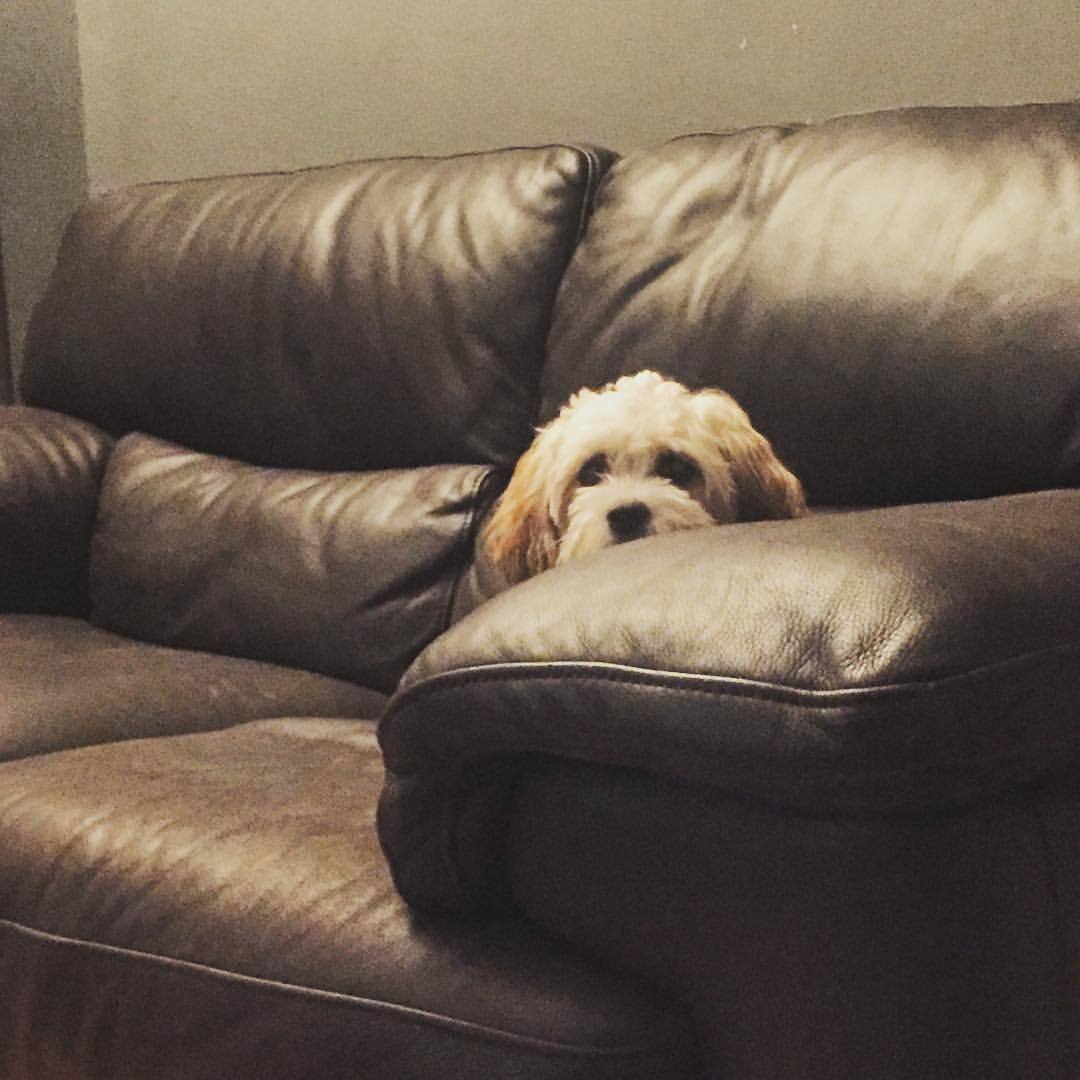
Puppy Home Safety Essentials
Did you know that a staggering 90% of puppy accidents happen within their first six months? This highlights the critical need for a safe home environment to protect these curious creatures from potential hazards.
The Importance of Home Safety for Puppies
Puppies are naturally curious and playful, which can lead to a higher risk of accidents in the home. A safe environment is crucial for their health and well-being. It is estimated that 90% of puppy-related accidents occur within the first six months of their life. Creating a safe home can reduce the risk of injury by 50%. For instance, securing electrical cords can prevent electrocution, while keeping toxic plants out of reach can avoid ingestion-related health issues. Ensuring a safe space for puppies not only minimizes the chance of accidents but also contributes to their mental stability and overall happiness.
Assessing Home Environment Safety
When puppy-proofing your home, it's essential to identify potential hazards. Begin by conducting a thorough inspection of your living space. Remove fragile items from low shelves, as they can be easily knocked over by a playful puppy. Common fragile items include vases, picture frames, and glassware. Keep toxic plants like lilies, tulips, and azaleas out of reach, as they can be harmful if ingested. Small objects, such as buttons, batteries, and loose change, should be stored in a secure container. Use childproof locks on cabinets and drawers to prevent access to cleaning supplies and medications. Regularly check for hazards, as your puppy's environment may change over time.
Safety Guidelines for Daily Activities
When it comes to daily activities, safety should always be a priority. For playtime, ensure that toys are age-appropriate and sturdy enough to withstand chewing. Soft toys should be made of non-toxic materials and regularly cleaned to prevent the spread of bacteria. When it's time for meals, use a raised feeding bowl to prevent strain on your puppy's neck and back. Feed your puppy in a designated area to avoid spills and to keep food contained. For sleeping, provide a comfortable, secure space that is free from drafts and loud noises. It is recommended to use a crate or a cozy bed in a quiet corner of the room. Puppy-proofing the sleeping area is equally important, as it should be free from any potential hazards that could cause injury during rest.
Prevention and Treatment of Puppy Accidents
Puppy accidents are common and can be caused by various factors such as teething, house training, or medical issues. To prevent accidents, establish a consistent routine for feeding, potty breaks, and playtime. Accidents can be minimized by ensuring your puppy has access to a designated potty area every two hours, especially after eating, drinking, or waking up. In case of an accident, clean the area thoroughly with an enzymatic cleaner to remove any scent that may attract your puppy back. For medical-related accidents, such as diarrhea or vomiting, monitor your puppy's behavior and consult a veterinarian if symptoms persist for more than 24 hours or if they are severe.
Common Misconceptions about Home Safety
One common misconception is that all plants are toxic to pets. While some plants are indeed harmful, many are safe for dogs. It's essential to research and identify which plants are toxic and remove them from your home. Another misconception is that leaving a bowl of water out for your puppy will prevent dehydration. While water is crucial, it's not a substitute for regular feeding and monitoring of your puppy's hydration status. Additionally, many pet owners believe that certain human foods are safe for dogs, but chocolate, grapes, onions, and garlic are toxic and should be kept out of reach.
Choosing and Using Safe Toys for Puppies
When selecting toys for puppies, prioritize durability and safety. Avoid toys with small parts that can be easily swallowed, such as buttons or eyes. Opt for toys made from non-toxic materials, like rubber or nylon. Interactive toys that stimulate problem-solving and mental engagement are beneficial for puppy development. For teething puppies, offer soft rubber toys or frozen washcloths to soothe sore gums. Regularly inspect toys for signs of wear and tear, and replace them if they become damaged. Never leave your puppy unattended with toys that can pose a choking hazard, such as plush toys with stuffing.
Communicating Home Safety with Household Members
Establish a clear communication plan by hosting a family meeting. Outline specific rules for puppy safety, such as keeping certain rooms off-limits and designating safe areas for the puppy. Distribute a checklist to all household members, detailing daily safety checks. Set a frequency of weekly meetings to discuss any issues or concerns. Implement a system for reporting potential hazards immediately, with a designated point person to address them. Provide training for children on how to safely interact with the puppy, including no-force methods for discipline. Use visual aids like stickers or signs to remind everyone of the safety rules.
Leveraging Community Resources for Home Safety
Research local pet hospitals and stores to find resources that can assist with puppy safety. Develop a list of emergency contacts and keep it updated. Regularly visit these facilities for puppy-proofing advice, and consider scheduling a consultation with a professional. Subscribe to community newsletters for alerts on recalled pet products. Join online forums or social media groups focused on puppy care for additional support and tips. Attend local workshops or webinars on puppy safety and home hazards. Encourage participation in community dog training classes to improve the puppy's behavior and safety awareness.
Long-Term Planning for Home Safety
Create a comprehensive home safety plan with specific long-term goals. Schedule monthly inspections of the home for potential hazards, such as loose wiring or toxic plants. Replace outdated furniture cushions with flame-retardant materials and install childproof locks on cabinets. Invest in a sturdy fence for outdoor play areas, ensuring it is at least six feet tall. Plan for regular vet check-ups, including vaccinations and teeth cleaning, to maintain the puppy's health. Develop a pet emergency kit with essential supplies like a first-aid kit, water, and food. Consider installing smoke and carbon monoxide detectors, and regularly test them. Establish a pet evacuation plan for natural disasters, ensuring the puppy has a safe place to go.
Case Studies: Successful Home Safety Examples
In a recent case study, a family installed a motion-activated water fountain to prevent accidental drowning in the backyard pool. The fountain was set to activate every 30 minutes, ensuring the water was constantly moving and reducing the risk of still water. Additionally, they installed a pool fence with a self-closing and self-latching gate, which was locked at all times when not in use. Another example involved a pet owner who replaced a broken floorboard in their kitchen with a non-slip material, reducing the risk of falls for their elderly dog. The pet owner also invested in a pet-proofing kit, which included door guards to prevent the dog from escaping through open doors. In a separate incident, a family with a teething puppy replaced their traditional furniture cushions with flame-retardant materials and covered them with durable, washable covers. They also installed childproof locks on cabinets containing hazardous items like cleaning supplies. These examples demonstrate the importance of proactive measures in creating a safe environment for pets.