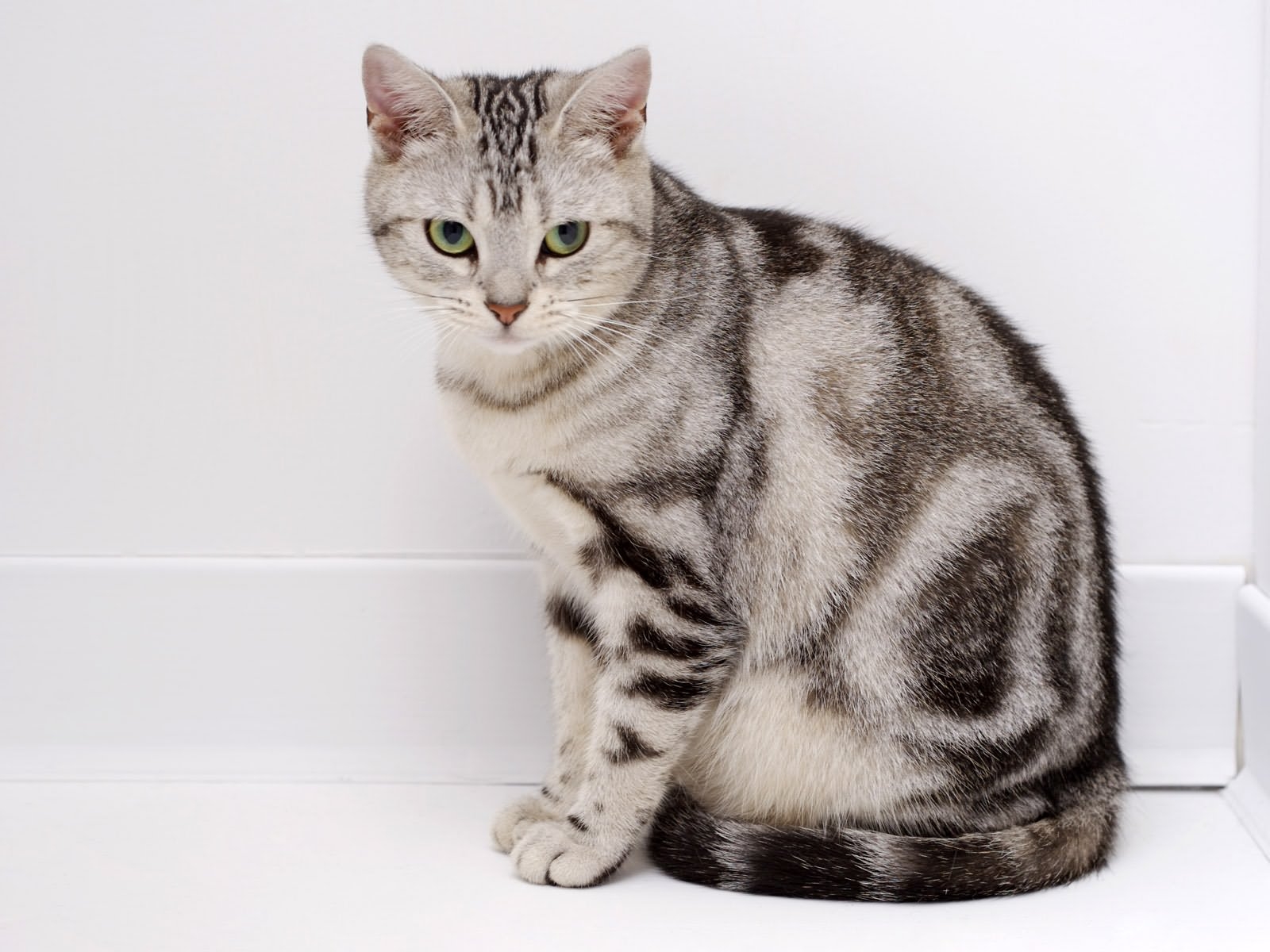
Caring for Kitten Sleep Needs and Routines
New kitten owners often wonder how much sleep their furbabies need and how to create a conducive sleep environment. Understanding the sleep needs of kittens is crucial for their overall well-being.
The Importance of Kitten Sleep and Its Physiological Needs
Kittens require an average of 12 to 16 hours of sleep per day, which is crucial for their rapid growth and development. Their sleep cycles are characterized by longer periods of slow-wave sleep (SWS) and REM (rapid eye movement) sleep, which are essential for physical and cognitive development. During SWS, kittens undergo the most growth, and their bodies produce hormones that aid in tissue repair and immune system function. The link between sleep cycles and physiological development is evident in the fact that kittens that do not receive adequate sleep may experience delayed growth, weakened immune responses, and impaired cognitive abilities.
Key Design Elements for Kitten Sleep Environment
The ideal sleep environment for kittens should maintain a temperature between 68°F and 72°F, as they are sensitive to extreme temperatures. Humidity levels should be kept between 40% and 60% to prevent respiratory issues. A quiet and darkened area is essential, as kittens are more prone to stress and anxiety when exposed to loud noises or bright lights. A comfortable, cozy bed with a soft, non-slip surface is recommended. It is also important to place the sleeping area away from high-traffic areas to ensure a tranquil atmosphere. Regularly cleaning the sleeping area and using a calming scent like lavender can further enhance the kitten's sense of security and comfort.
Principles for Establishing a Kitten's Routine
Establishing a consistent routine is vital for kittens to develop a sense of security and stability. The routine should include regular feeding times, play sessions, and sleep periods. Feeding should be done at the same time each day, with a frequency of 3 to 4 times for kittens under 3 months old, gradually reducing to 2 times per day as they grow older. Play sessions should last for 15 to 30 minutes, ideally in the morning and evening. Sleep periods should be scheduled to coincide with the kitten's natural sleep cycles, with a quiet and darkened area available for them to rest. Consistency in the routine helps regulate the kitten's internal clock, leading to better sleep patterns and overall well-being. A daily schedule that includes these elements can look like: 7 AM - Wake up, play, and feed; 11 AM - Short nap; 1 PM - Play; 3 PM - Feed; 5 PM - Play; 7 PM - Nap; 9 PM - Feed; 10 PM - Bedtime.
Identifying and Addressing Kitten Sleep Disorders
Kitten sleep disorders can manifest as excessive sleepiness, restlessness, or irregular sleep patterns. Common sleep disorders include sleep apnea, bruxism (teeth grinding), and insomnia. To identify sleep apnea, observe if the kitten gasps for air or snorts while sleeping. Treatment for sleep apnea may involve keeping the sleeping area elevated or using a humidifier to reduce snoring. Bruxism can be managed by providing calming toys to chew on or applying a gentle heat pack to soothe the jaw. Insomnia can be caused by stress, so ensuring a calm environment and regular routines is crucial. Medications such as melatonin may be prescribed for insomnia, with dosages starting at 0.1mg per kg of body weight. Preventive measures include maintaining a quiet sleep environment, ensuring the kitten is comfortable, and avoiding exposure to loud noises or disturbances before bedtime.
The Relationship Between Kitten Sleep and Nutrition
Kittens have high energy and nutrient needs, requiring 10 to 20 calories per pound of body weight daily. A well-balanced diet is essential for good sleep quality. A kitten's diet should include a mix of proteins, fats, and carbohydrates, with at least 30% protein content. Essential amino acids, particularly taurine and arginine, are crucial for maintaining healthy sleep patterns. Taurine deficiency can lead to bruxism and sleep disturbances, so kitten formulas should contain 0.1 to 0.2g of taurine per kg of food. Arginine supports sleep by aiding in the production of melatonin. Feeding times should be spread throughout the day to provide a consistent energy supply. Kittens should be fed three to four times a day, with the last meal occurring 2 to 3 hours before bedtime. Overfeeding can disrupt sleep, so monitoring portion sizes is important.
Combining Daily Care with Kitten Sleep
Daily care routines significantly impact a kitten's sleep. Regular exercise during the day can help kittens to be tired at bedtime. Short walks or play sessions should be incorporated into the morning and afternoon, ensuring the kitten expends energy. A calming bedtime routine is also essential. This could involve gentle petting, brushing, or using a soft pheromone spray to mimic the mother cat's scent. It is important to keep the kitten's sleeping area quiet and away from foot traffic. Providing a comfortable bed with a familiar scent, such as a soft blanket with the mother cat's fur, can also help create a sense of security. Temperature should be kept moderate, around 68 to 72°F, to promote comfortable sleep. Regular grooming sessions can help to soothe the kitten and can be a part of the calming bedtime routine. Monitoring the kitten's behavior during the day can help identify signs of stress or discomfort that might affect sleep, allowing for timely adjustments to the routine.
Debunking Common Kitten Sleep Myths
One common myth is that kittens require less sleep than adult cats. In reality, kittens sleep an average of 16-20 hours a day, which is crucial for their growth and development. Another misconception is that kittens should be kept in a dark, quiet room to sleep better. While darkness is important, kittens also need exposure to natural light to regulate their circadian rhythms. It's a myth that kittens should be kept in a cold room to sleep better; in fact, they prefer a moderate temperature of around 68 to 72°F. Additionally, many believe that kittens should be kept in a separate room to sleep, but this can lead to separation anxiety. Instead, kittens should be allowed to sleep in the same room as their human family, as long as the room is quiet and comfortable.
The Connection Between Kitten Sleep and Mental Health
The quality of a kitten's sleep directly impacts their mental health. Poor sleep can lead to irritability, aggression, and anxiety in kittens. To maintain mental well-being, kittens should have at least two 30-minute sleep periods during the day, one in the morning and one in the afternoon. Ensuring a consistent sleep schedule is essential, as kittens thrive on routine. The sleep environment should be free from stressors, such as loud noises or sudden movements. Introducing a calming bedtime routine, such as gentle petting or soft music, can help kittens relax. It's also important to monitor the kitten's sleep patterns and address any disruptions promptly. For example, if a kitten is restless during the night, it may be due to discomfort or a medical issue, and a veterinarian should be consulted.
Safety Assessment of Kitten Sleep Environment
Ensuring the safety of a kitten's sleep environment is crucial. First, check for any hazards such as electrical cords, loose wires, or small objects that could be ingested. The sleeping area should be free from drafts and excessive heat or cold. It's recommended to use a baby gate to keep the kitten in a designated sleep area, which should be easily accessible but separate from high-traffic areas. The bed should be placed in a corner for a sense of security and away from direct sunlight to prevent overheating. It's important to regularly inspect the bed for any signs of wear and tear, such as frayed edges or broken zippers. Additionally, the kitten's bed should be cleaned regularly to prevent the buildup of allergens and bacteria. If the kitten is sharing a bed with other pets, ensure that they are compatible and that the bed is large enough for all to sleep comfortably without overcrowding.
Long-Term Cultivation of Kitten Sleep Habits
Establish a consistent bedtime routine by placing the kitten in its sleep area at the same time each night. This routine should include a calming activity, such as gentle play or a soothing brush, to signal that it's time to wind down. Aim for a 10-minute period of quiet time before bedtime to help the kitten relax. Use a white noise machine or a soft radio station to create a soothing background noise that can help mask any household sounds. Provide a kitten-specific sleep aid, such as a pheromone spray, to help ease anxiety and promote relaxation. Monitor the kitten's sleep patterns and adjust the routine as needed. For instance, if the kitten is restless, try increasing the duration of the calming activity or changing the type of noise. Gradually introduce the kitten to different sleep environments, such as a travel crate or a different room, to ensure they can sleep comfortably in various settings. Aim for a minimum of two weeks to establish a new sleep habit. Regularly review the sleep environment for any changes that may affect the kitten's comfort, such as a new pet entering the home or changes in the household schedule. Adjust the routine as necessary to maintain a consistent and comfortable sleep environment for the kitten.