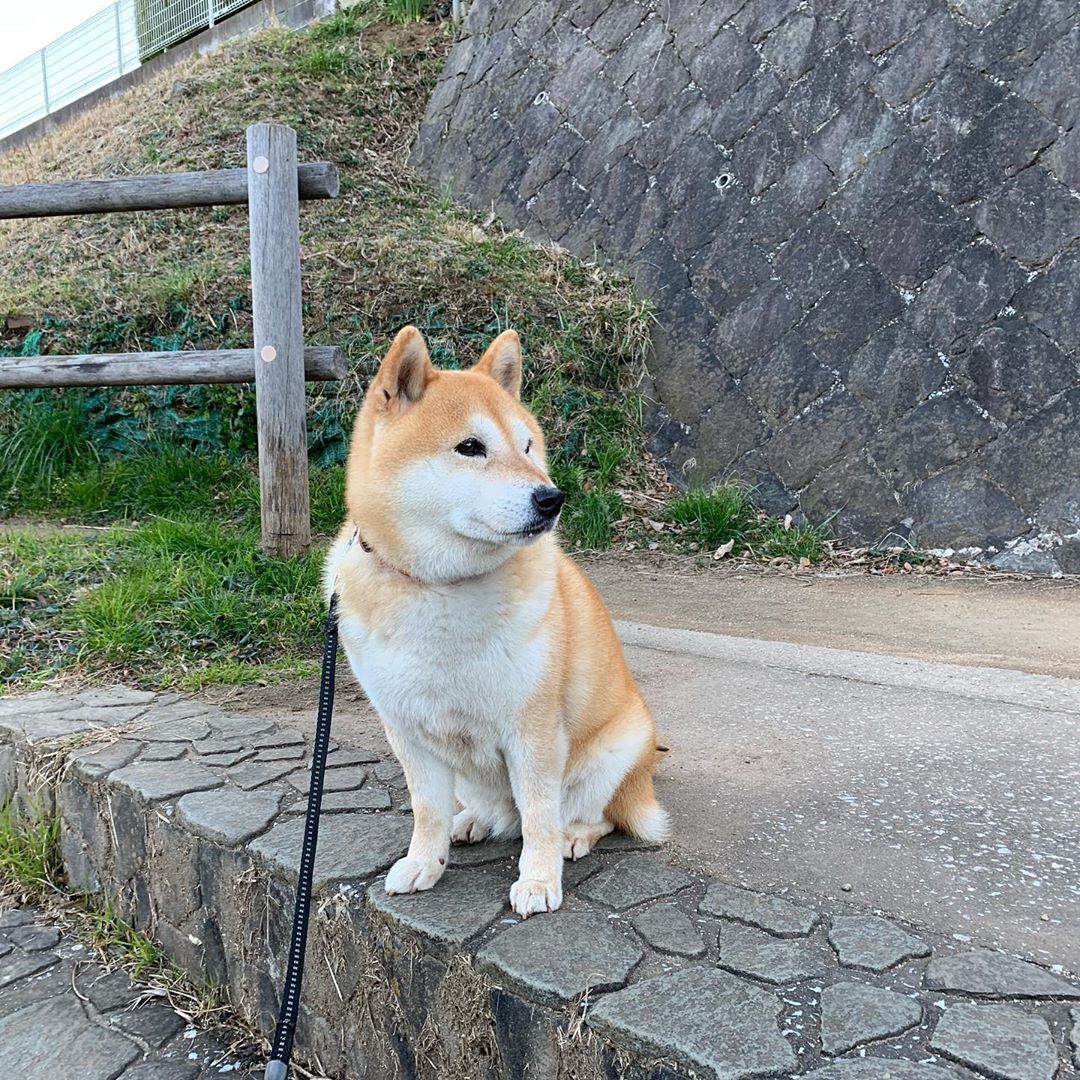
Origin and History
The Yorkshire Terrier, affectionately known as a Yorkie, is a British breed of toy dog that originated in the English county of Yorkshire in the 19th century. This small terrier type was developed by workers in cotton and woollen mills, primarily in Yorkshire and Lancashire, who bred Black-and-Tan Terriers with Paisley and Clydesdale Terriers to create a ratting terrier.
The breed's history is somewhat hazy due to the lack of detailed records from the early mill operatives. However, it is known that the Paisley Terrier, a smaller version of the Skye Terrier, and possibly the Maltese, contributed to the early development of the Yorkshire Terrier. The breed was first recognized in dog shows as "Rough and Broken-coated, Broken-haired Scotch and Yorkshire Terriers," but it was Huddersfield Ben, a Paisley-type Yorkshire Terrier, who helped define the breed type in the late 1860s.
Huddersfield Ben was so influential that he is often referred to as the "father of the breed. " His portrait was painted by George Earl, and he was an authority on the breed who wrote, "Huddersfield Ben was the best stud dog of his breed during his lifetime, and one of the most remarkable dogs of any pet breed that ever lived. " The breed standard for Yorkshire Terriers was formalized by 1903, emphasizing a neat compact body, a level back and loins, and a coat that was fine, straight, and silky, resembling silk in texture.
Breed Characteristics
The Yorkshire Terrier is among the smallest of the terriers, with a maximum weight of 3.2 kg (7 lb) and a height of 18-20 cm. They are recognized for their long, silky steel blue and golden tan coat, which is a hallmark of the breed and is not accepted in any other color by The Kennel Club or the Fédération Cynologique Internationale.
They are energetic and affectionate, making them excellent companion dogs. Their alert and intelligent nature also makes them highly trainable. Despite their small size, Yorkies are known for their courage and boldness, traits that are characteristic of the terrier group.
The long, fine hair can become tangled if not brushed daily, and special care must be taken to prevent breakage and matting.
Temperament and Personality
They are energetic and affectionate, making them excellent companion dogs. Their alert and intelligent nature also makes them highly trainable, which is a trait that is highly valued in the show ring and in everyday life.
These dogs are also known for their loyalty and attachment to their owners. They can be quite protective of their families and may bark at strangers or perceived threats. However, their small size can sometimes make them appear more fierce than they are in reality. They are generally good with children, but supervision is always recommended to ensure the safety of both the Yorkie and the children.
Their personality can be described as confident, courageous, and alert, with a high level of energy. While they are affectionate, they may not be the best choice for families with young children due to their delicate nature and potential for injury. Their social needs are moderate, and they can adapt well to different living situations, as long as they receive adequate attention and exercise.
Coat Color and Care
The Yorkshire Terrier's coat is a distinctive feature of the breed, with a tan head and dark steel-blue body. The coat is long, silky, and fine, resembling silk in texture.
The coat care for a Yorkshire Terrier is quite intensive. Special attention should be given to the hair around the face, ears, and under the tail, as these areas are prone to matting. During show season, the coat is often grown out very long and is parted down the middle of the back. For easier care, some owners may opt to trim the coat short, but this is not a requirement for the show ring.
Regular baths are also necessary to keep the coat clean and healthy. After a bath, the coat may be wrapped in washi paper, tissue paper, or plastic to prevent breakage and to maintain its silky texture. The wraps should be fixed periodically during the week to prevent them from sliding down and breaking the hair. This level of care is typical of the breed and dates back to the earliest days of the breed's development.
Health Considerations
While the Yorkshire Terrier has an above-average life expectancy of 12-16 years, there are several health issues that can affect the breed. Common health concerns include bronchitis, lymphangiectasia, portosystemic shunt, cataracts, and keratitis sicca. Yorkies also often have a delicate digestive system, which can lead to vomiting or diarrhea when they consume foods outside of their regular diet.
Other health conditions that can be found in Yorkshire Terriers include distichiasis, hydrocephalus, hypoplasia of dens, Legg-Calvé-Perthes syndrome, luxating patella, retinal dysplasia, and bladder stones. Distichiasis, for example, involves eyelashes arising from an abnormal spot and can cause irritation, tearing, squinting, inflammation, corneal abrasions, or ulcers.
Hypoplasia of dens is a non-formation of the pivot point of the second cervical vertebra, which can lead to spinal cord damage. Legg-Calvé-Perthes syndrome, on the other hand, causes the top of the femur to degenerate, often requiring surgery. Luxating patellas, where the kneecap slips out of place, are also a common concern and can lead to pain and lameness.
Lifestyle and Care
In terms of exercise, Yorkies are energetic and require regular opportunities for play and physical activity. They do well with short walks and play sessions, but their small size means they are not suited for intense physical activity or long-distance running. Mental stimulation is also important for Yorkies, as they are intelligent and can become bored or destructive if not challenged.
Due to their small size and delicate nature, Yorkies may not be the best choice for families with young children or those who are prone to accidents. They can be easily injured by falls, other dogs, or owner clumsiness. Their living environment should be safe, with no small objects that they could swallow or trip over.
Buying a Yorkshire Terrier
- Ensure the puppy comes from a reputable breeder who can provide health clearances and a good breeding history.
- Be prepared for the time and effort required to care for a Yorkie's long, fine coat.
- Assess whether your lifestyle and living situation can accommodate the needs of a Yorkie, including their energy level and exercise requirements.
- Be prepared for the financial commitment of owning a dog, including food, grooming, and veterinary care.
Buying a Yorkie should be a well-informed decision, considering both the joys and challenges of owning this delightful and spirited breed.
Frequently Asked Questions
What is the lifespan of the Yorkshire Terrier?
The average lifespan of the Yorkshire Terrier is about 12-16 years. Good nutrition and regular veterinary care support a healthy life.
What is the temperament of the Yorkshire Terrier?
The Yorkshire Terrier is known for: Confident, Courageous, Energetic, Affectionate, Alert, Intelligent. Its energy level is high.
What size and weight is the Yorkshire Terrier?
It is a small dog, typically around 1.8-3.2 kg as an adult.
Is the Yorkshire Terrier easy to care for?
Reliable grooming and shedding ratings are not available. Routine brushing, ear and dental care, and nail trims are still recommended.
Is the Yorkshire Terrier good with kids and other pets?
Reliable child- and pet-friendliness ratings are not available. Supervised, gradual introductions are recommended.
How much exercise does the Yorkshire Terrier need?
With a high energy level, it needs walks, play or training matched to its stamina.
Yorkshire Terrier
Trait Scores
N/A