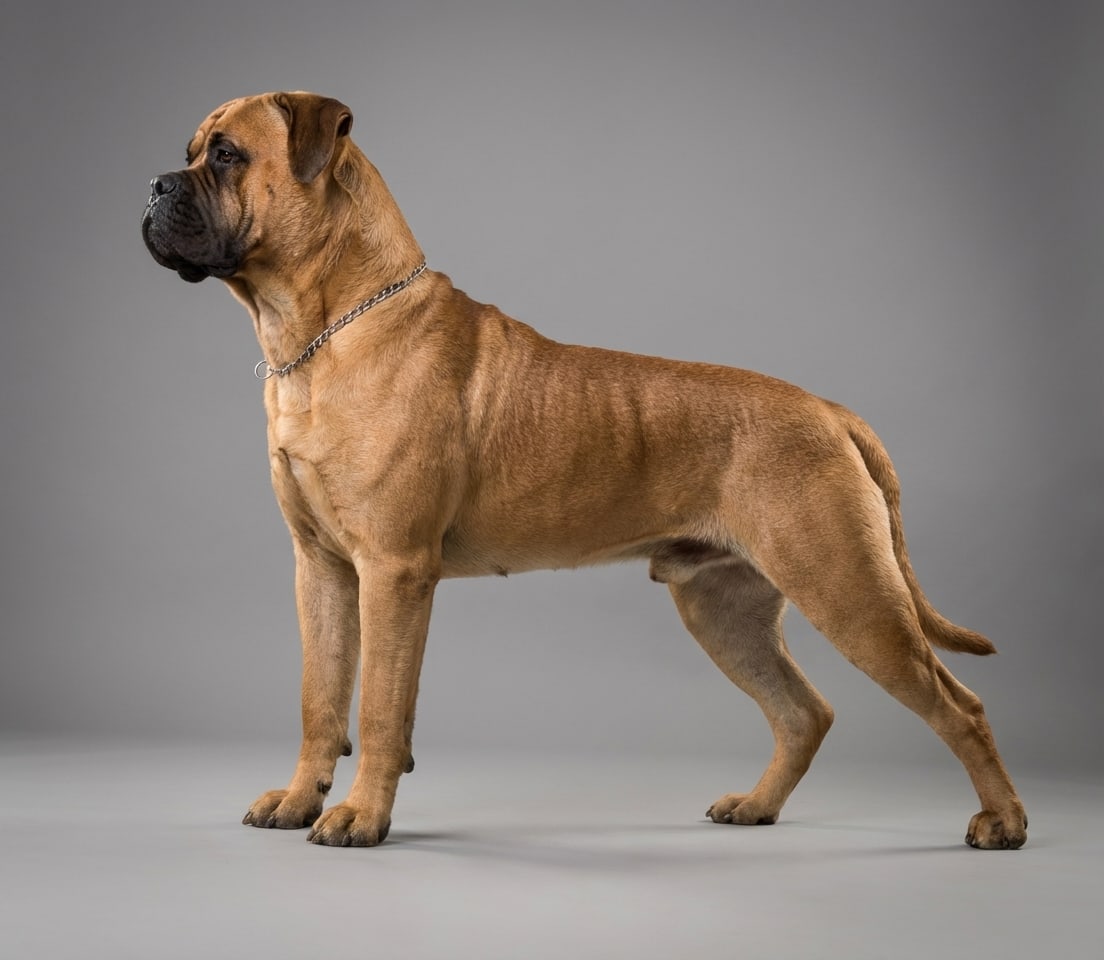
Dorkie Breed Profile
The Dorkie, a small designer crossbreed, originates from the United States, combining Dachshund and Yorkshire Terrier traits to create a compact and spirited companion. This breed has gained popularity for its charming appearance and friendly disposition.
The Dorkie is known for its affectionate, intelligent, playful, and alert nature. These dogs are lively and enjoy being part of the family, making them a delightful choice for those seeking a companionable pet. With a lifespan of 11-16 years, Dorkies offer many years of companionship. Adult weights typically range from 2 to 5.5 kg, and heights usually fall between 13 to 23 cm, which makes them suitable for various living situations.
The coat length in Dorkies can vary, as they inherit traits from both parent breeds. This variation leads to a medium-length coat, which is neither excessively long nor short, and can be straight or slightly wavy. The coat may also come in various colors and patterns, reflecting the Dachshund and Yorkshire Terrier heritage.
Origin and History
Developed in the United States, the Dorkie combines the Dachshund's history as a hound type dog from Germany, bred to hunt badgers, rabbits, and other burrow-dwelling animals, with the Yorkshire Terrier's British heritage, originating in the county of Yorkshire. The Dachshund's precise origins remain unknown, but it is believed to have been developed by crossing German, French, and English hounds and terriers, with the breed first recognized by the American Kennel Club in 1885.
The Yorkshire Terrier, on the other hand, was developed in the 19th century, influenced by various terriers, including the Paisley and Clydesdale Terriers, and was introduced to the United States in 1872. The Dorkie's creation is a relatively recent development, with the first recorded instances of this breed occurring in the late 20th century.
Temperament and Personality
The Dorkie is known for its spirited and affectionate personality. These dogs are intelligent and trainable, which is likely influenced by their Dachshund parent, who is renowned for its intellect. Dorkies are also loyal and courageous, inheriting these traits from both parent breeds. Their friendly nature contributes to their status as a popular choice as both a family pet and a companion dog.
Dorkies are known for their playful nature and enjoy being the center of attention. They are alert and make excellent watch dogs, often barking to alert their owners to potential dangers.
Physical Traits and Appearance
Physical traits of the Dorkie vary due to the diverse genetic pool of both parents. They typically have a small, compact body, with the height ranging from 13 to 23 cm. Adult weights fall within a range of 2 to 5.5 kg. The Dorkie's body is proportionally long and low to the ground, a trait inherited from the Dachshund.
Coat length is variable, with some inheriting the medium-length coat of the Dachshund and others the shorter coat of the Yorkshire Terrier. The coat type may also differ, with some Dorkies displaying smooth, wire, or long hair. The color of the coat can vary, but common colors include black and tan, blue and tan, and red and tan, reflecting the Dachshund's color palette.
The ears are often flap-down, similar to the Dachshund, while the tail is curly, reminiscent of the Yorkie, contributing to their distinct and charming appearance. Dorkies have a variety of eye colors, which can include brown, blue, or heterochromia (different colored eyes).
Health Considerations
Dorkies may inherit health conditions from their parent breeds, such as those prone to eye disease, blindness, or hearing problems, particularly in the case of double-dapple Dachshunds, which were introduced to the United States between 1879 and 1885. Additionally, they may be susceptible to back problems due to their long, low body structure, as well as certain skin conditions.
Responsible breeders screen their dogs for genetic health conditions to minimize the risk of passing these on to their puppies.
Buyer's Checklist and Household Considerations
The Dorkie is a medium shedder, so daily brushing may be necessary to manage their coat and reduce shedding in the home. This is particularly important for individuals with allergies, as the breed is not hypoallergenic.
Given their friendly and affectionate nature, Dorkies can be excellent with children, provided they are socialized from a young age. They are also adaptable to various living situations, as long as they receive the attention and exercise they need. It's important for potential owners to consider the energy level and size of the Dorkie, as they do require regular physical activity and mental stimulation.
Care and Maintenance
Daily brushing helps keep the coat healthy and reduces shedding. Bathing should be done as needed, and nail trimming and ear cleaning should be regular practices to maintain the Dorkie's overall health.
Exercise for the Dorkie can include short walks, playtime, and indoor agility training. They enjoy activities that challenge their mind and body. Socialization should continue throughout their life to ensure they remain well-rounded and well-behaved.
Frequently Asked Questions
What is the lifespan of the Dorkie?
The average lifespan of the Dorkie is about 11-16 years. Good nutrition and regular veterinary care support a healthy life.
What is the temperament of the Dorkie?
The Dorkie is known for: Affectionate, Intelligent, Playful, Alert, Loyal, Courageous. Its energy level is high.
What size and weight is the Dorkie?
It is a small dog, typically around 2-5.5 kg as an adult.
Is the Dorkie easy to care for?
Reliable grooming and shedding ratings are not available. Routine brushing, ear and dental care, and nail trims are still recommended.
Is the Dorkie good with kids and other pets?
Reliable child- and pet-friendliness ratings are not available. Supervised, gradual introductions are recommended.
How much exercise does the Dorkie need?
With a high energy level, it needs walks, play or training matched to its stamina.
Dorkie
Trait Scores
N/A