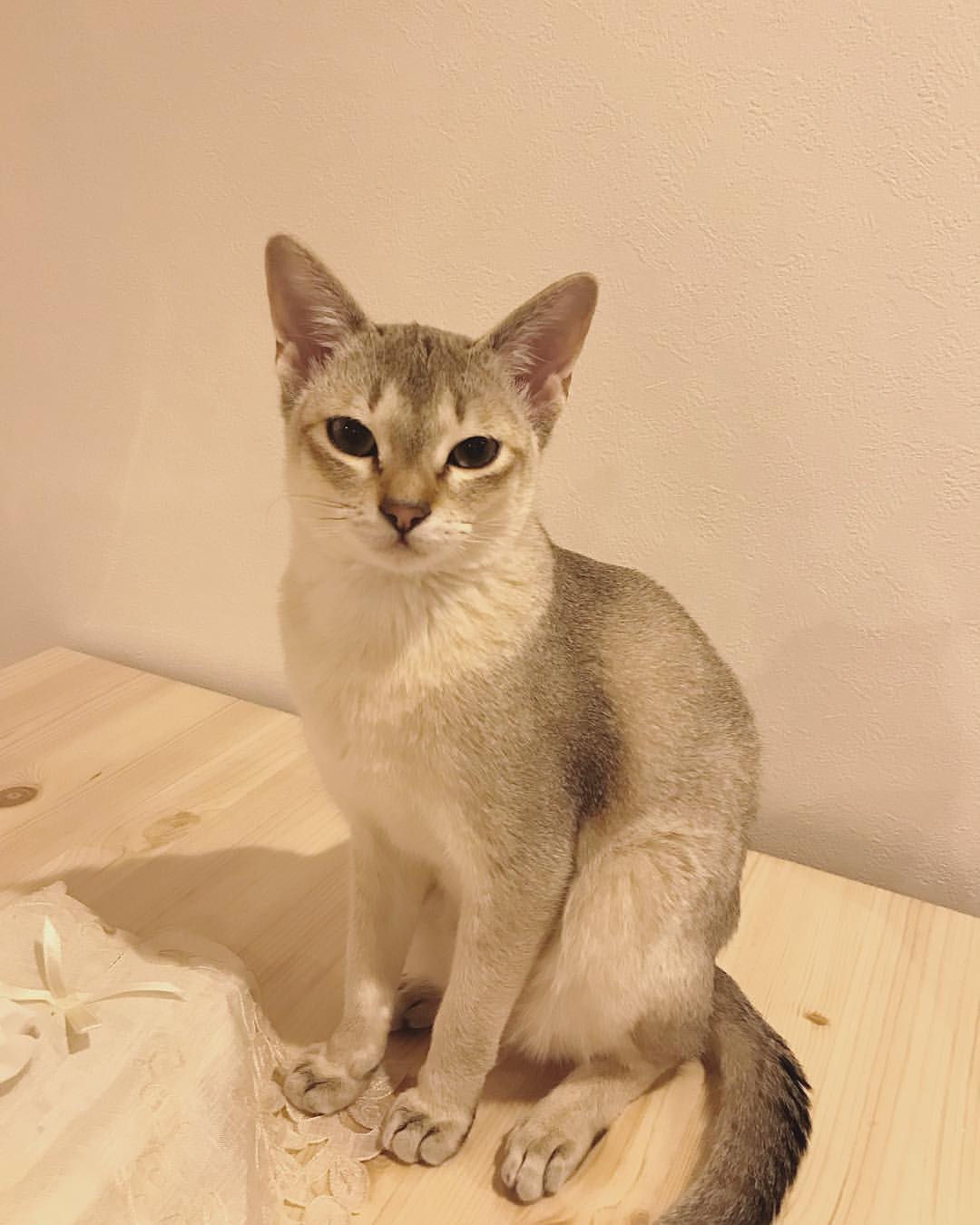
Origin and History
The Singapura, named after the Malay name for Singapore, originated in Singapore itself. Established from three "drain cats" imported from Singapore in the 1970s, the breed's foundation was a pair of male and female kittens from the same litter and another young female. The breed was later revealed to have been originally sent to Singapore from the United States before being exported back to the US.
In 1975, Tommy and Hal Meadow returned to the US with these cats, which they claimed were local brown-ticked cats. The breed was officially recognized by the TICA in 1979 and by the CFA in 1982, gaining championship status in 1988. A cat fitting the Singapura profile, except for the tail, was discovered in Singapore in 1981 and imported to the US for breeding.
Controversy arose in 1987 when it was discovered that the foundation cats were registered as Abyssinians and had been taken into Singapore from the US in 1974. Despite this, the Cat Fanciers' Association (CFA) investigation concluded that no wrongdoing had occurred and the Singapura retained its status as a natural breed. Recent studies in 2007 based on feline DNA showed very few genetic differences between the Singapura and the Burmese, supporting the claim that the Singapura is not a natural breed.
Physical Appearance
The Singapura is known for its large eyes and ears, ticked coat, and blunt tail. It is considered the lightest and shortest pedigreed breed of cat. A full-grown female Singapura cat typically weighs 1.8 kilograms (4.0 lb), while the male weighs 2.7 kilograms (6.0 lb). The breed has a very short and fine coat, making it the smallest cat breed in the world to be widely accepted on breed registries.
The coat pattern of the Singapura is a ticked tabby, with individual hair strands having alternating sections of dark and light colour. The underside, including the chest, muzzle, and chin, takes the colour of the light bands. The breed is recognized by cat registries in only one colour, the sepia agouti, described as "dark brown ticking on a warm old ivory ground colour".
The Singapura has large, slightly pointed, and deep cupped ears, along with large almond-shaped eyes. The tail is slender, slightly shorter than the length of the body, and has a blunt tip. These physical characteristics contribute to the breed's distinct and endearing appearance.
Temperament and Personality
The Singapura is known for its affectionate, curious, and lively temperament. It is highly active and interactive, often seeking attention from its family, which sometimes gives it the reputation of being a pest. Despite its small size, the Singapura knows it is in charge and often exhibits a sense of leadership.
Its high level of trainability and social needs make it a great pet for those who enjoy engaging with their cats. The breed's adaptability and social needs are also rated highly, reflecting its ability to fit into various household settings and its desire for interaction.
Health and Genetic Concerns
Despite its overall health, the Singapura breed is prone to certain genetic conditions. Uterine inertia, an inability to expel the foetus due to weak muscles, is a concern, particularly in females. This condition may require deliveries to be made by caesarean section. Pyruvate kinase deficiency (PKD), which leads to haemolytic anaemia, is another issue affecting the breed. Symptoms include lethargy, diarrhoea, lack of appetite, poor coat quality, weight loss, and jaundice. A test is available to determine if a cat is affected, a carrier, or clear of the disease.
There is also concern regarding the lack of genetic diversity in the breed due to inbreeding caused by a small gene pool. A 2007 DNA study found that the Singapura has the least genetic diversity among the 22 breeds studied. While outcrossing has been discussed to increase genetic diversity, many breeders prefer to use Singapuras from around the world that are not so closely related to the CFA line. In April 2013, the UK's Governing Council of the Cat Fancy started allowing outcrossing for the breed, with individuals chosen having to meet certain health and appearance requirements.
Popularity and Registration
The Singapura is a relatively rare breed worldwide, ranking 44th out of 54 breeds in popularity according to the 2024 statistics of FIFe, one of the major global cat registries. This translates to just 0.04% of the total registered kittens that year, or 35 cats. Despite its rarity, the breed has gained popularity as a tourism mascot in Singapore, with sculptures of the Singapura found by the Singapore River.
The breed's acceptance into major registries, including the TICA and CFA, has helped to solidify its status as a recognized breed. However, its rarity means that finding a Singapura may require patience and possibly a visit to specialized breeders.
Breed Standards and Registry History
The Singapura breed standards have evolved since its recognition. Early standards emphasized the breed's small size, ticked tabby coat, and specific eye and ear shapes. Over time, the standards have been refined to include details on the coat texture, body conformation, and the breed's distinctive personality traits.
The CFA's first breed standard for the Singapura was published in 1983, outlining the breed's physical characteristics and temperament. The standard has been updated periodically to reflect the breed's development and to ensure consistency in judging.
Breed-Specific Numbers and Statistics
According to the CFA, there were approximately 1,000 Singapuras registered in the United States in 2023. This number represents a significant increase from the early years of the breed's recognition, reflecting growing interest and popularity.
Additionally, the TICA reported that in 2022, there were 500 Singapuras registered worldwide, with the United States accounting for the largest number of registrations. This data highlights the breed's growing presence in the international cat fancy community.
Living with a Singapura
Its high energy level and curiosity require a home with space to roam and explore. The Singapura's small size makes it well-suited to a variety of living situations, including apartments and homes with yards.
Buyer's Checklist
- Research reputable breeders with a focus on health and genetic diversity.
- Ask about the cat's health history and any known genetic conditions.
- Ensure the cat has been properly socialized and is well-adjusted to human interaction.
- Be prepared for the breed's high energy and curiosity, which may require additional attention and care.
Frequently Asked Questions
What is the lifespan of the Singapura?
The average lifespan of the Singapura is about 12 - 15 years. Good nutrition and regular veterinary care support a healthy life.
What is the temperament of the Singapura?
The Singapura is known for: Affectionate, Curious, Easy Going, Intelligent, Interactive, Lively, Loyal. Its affection rating is very high. Its energy level is high.
What size and weight is the Singapura?
It is a small cat, typically around 2 - 4 kg as an adult.
Is the Singapura easy to care for?
Available ratings indicate low grooming needs, and moderate shedding. Routine brushing, ear and dental care, and nail trims are still recommended.
Is the Singapura good with kids and other pets?
Available ratings indicate high child-friendliness, and very high pet-friendliness. Supervised, gradual introductions are recommended.
How much exercise does the Singapura need?
With a high energy level, it needs walks, play or training matched to its stamina.



