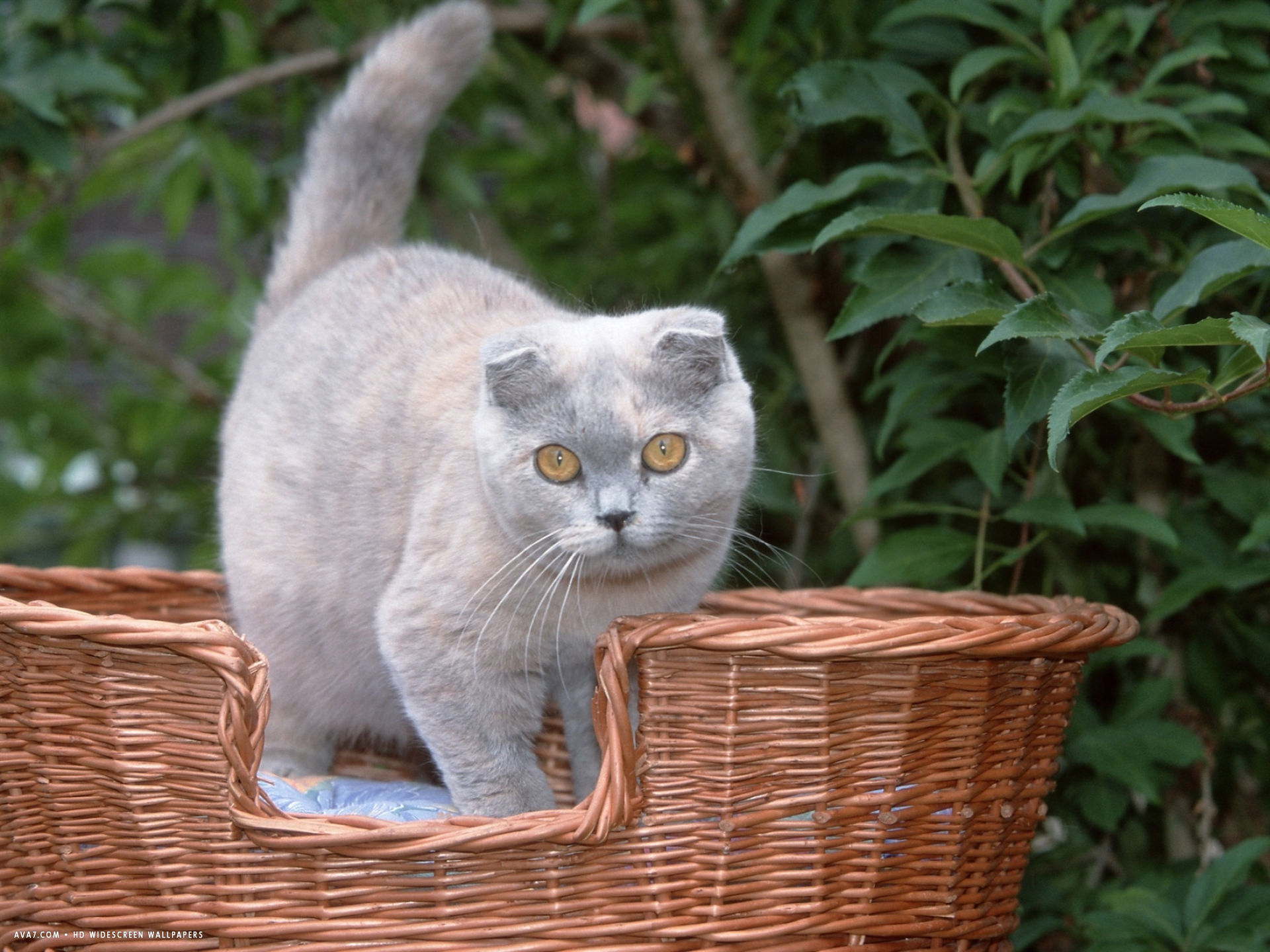
Origin and History
The Scottish Fold, a breed of domestic cat, originated in the United Kingdom, specifically in the Tayside region of Scotland. The breed's unique characteristics, including folded ears, were first noticed in a white barn cat named Susie, who was discovered near Coupar Angus in 1961. Susie's kittens, born with folded ears, led to the development of the breed. The breed was registered with the Governing Council of the Cat Fancy (GCCF) in the UK in 1966, but concerns about health issues, such as ear infections and deafness, led to the GCCF's decision to stop registering the breed by the early 1970s.
In 1970, the first Scottish Fold kittens were introduced to the United States, and the breed continued to be established through outcrossing with American Shorthairs and British Shorthairs. The Cat Fanciers' Association (CFA) granted the breed championship status in 1978, and the long-haired version of the breed began to gain recognition in the mid-1980s. The International Cat Association (TICA) was the first registry to recognize the longhaired Scottish Folds for championship competition in the 1987-88 show season.
The genetic mutation responsible for the folded ears and feline osteochondrodysplasia (FOCD) was identified in 2016. This mutation is found in a gene encoding a calcium permeable ion channel, transient receptor potential cation channel, subfamily V, member 4 (Trpv4), specifically a V342F substitution in the fifth ankyrin repeat within the N-terminal cytoplasmic domain.
Breed Characteristics
The Scottish Fold is a medium to large-sized cat, with males typically weighing between 4-6 kg (9-13 lb) and females weighing 2.7-4 kg (6-9 lb). The breed's defining feature is its folded ears, which are produced by an incomplete dominant gene affecting the cartilage of the ears. The ears fold forward and downward, giving the cat an owl-like appearance. Despite the folded ears, Scottish Folds still use their ears to express themselves, with ears that swivel to listen, lie back in anger, and prick up when they hear a rustling sound.
The Scottish Fold has a rounded body structure, with a domed head, short neck, and large, round eyes. The coat can be either long or short, with a variety of colors and patterns. Shorthair Scottish Folds have thick and soft fur, while longhair Folds have longer fur with tufts located around the extremities.
The breed is known for its affectionate and social nature. They are comfortable with all members of the family and are often seen in the "Buddha Position," with their legs stretched out and paws on their belly. Scottish Folds are intelligent and can be trained to perform various tricks. They are also playful and enjoy interacting with their owners.
Health Concerns
The Scottish Fold is affected by feline osteochondrodysplasia (FOCD), a genetic condition that affects cartilage development throughout the body. This condition causes the characteristic folded ears and can lead to skeletal abnormalities, such as progressive degenerative joint disease and exostosis. All Scottish Fold cats are affected by FOCD, and the condition can manifest at a young age, sometimes requiring euthanasia. Due to these health concerns, breeding of Scottish Fold cats is prohibited in several countries, and the breed is not recognized by some major cat registries.
Other health issues associated with the Scottish Fold include polycystic kidney disease (PKD) and hypertrophic cardiomyopathy. The breed is also prone to ear infections and deafness, which can be a result of the folded ears.
Genetics and Breeding
The fold gene (Fd) in Scottish Folds is inherited as an autosomal dominant trait. A cat with folded ears may have either one (heterozygous; Fd fd) or two (homozygous; Fd Fd) copies of the dominant fold gene. Homozygous Folds are prone to severe health issues and are generally considered unethical to breed. A mating between a homozygous Fold and any other cat will produce all Folds, either homozygous or heterozygous. Breeding between heterozygous Folds and non-Folds (heterozygous; fd fd) results in a 50% chance of producing heterozygous Folds and a 50% chance of producing non-Folds.
There is a suspicion that some non-Fold litters may be genetically heterozygous Folds due to low expression of the gene. Some breeders suggest avoiding mating Folds with straight-eared Scottish Folds and instead using British Shorthairs (BSH) as outcrosses.
Both scientific studies and anecdotal reports indicate that cats produced from heterozygous Fold × Straight and heterozygous Fold × BSH matings may still develop severe FOCD. Some researchers recommend abandoning the breeding of Fold cats entirely due to the health concerns associated with the breed.
Legal and Registry Status
Due to the health issues associated with the Scottish Fold, several countries have enacted legal bans on the breeding and sometimes the sale of the breed. These countries include the Netherlands, Austria, Belgium, the Netherlands, Norway, Scotland, and Sweden. Some regions have also banned the ownership of fold-eared cats or the breeding with any cat that bears the gene mutation resulting in osteochondrodysplasia.
The breed is not recognized by some major cat registries, such as the Governing Council of the Cat Fancy (GCCF) and the Fédération Internationale Féline (FIFe). The GCCF withdrew registrations in 1971 due to concerns about health issues and genetic difficulties. The FIFe has not considered recognizing Scottish Folds if breeders will not allow their breed to be scrutinized for health concerns.
In New Zealand, the Breed Standards Advisory Council (BSAC) for the New Zealand Cat Fancy (NZCF) has recommended guidelines for breeding Scottish Folds, including periodic veterinary examinations for signs of lameness, stiffness, or pain, and periodic X-rays of breeding cats to monitor skeletal changes.
Buying a Scottish Fold
- Research the breeder's reputation and experience with the breed.
- Ask about the cat's health history and genetic testing results.
- Be prepared for the potential costs of veterinary care and treatment for health issues.
- Understand the legal restrictions on breeding and ownership in your area.
- Ensure the cat is well-socialized and comfortable with people and other pets.
Frequently Asked Questions
What is the lifespan of the Scottish Fold?
The average lifespan of the Scottish Fold is about 11 - 14 years. Good nutrition and regular veterinary care support a healthy life.
What is the temperament of the Scottish Fold?
The Scottish Fold is known for: Affectionate, Intelligent, Loyal, Playful, Social, Sweet, Loving. Its affection rating is very high. Its energy level is high.
What size and weight is the Scottish Fold?
It is a small cat, typically around 2 - 5 kg as an adult.
Is the Scottish Fold easy to care for?
Available ratings indicate low grooming needs, and moderate shedding. Routine brushing, ear and dental care, and nail trims are still recommended.
Is the Scottish Fold good with kids and other pets?
Available ratings indicate high child-friendliness, and very high pet-friendliness. Supervised, gradual introductions are recommended.
How much exercise does the Scottish Fold need?
With a high energy level, it needs walks, play or training matched to its stamina.



