Origin and Historical Background
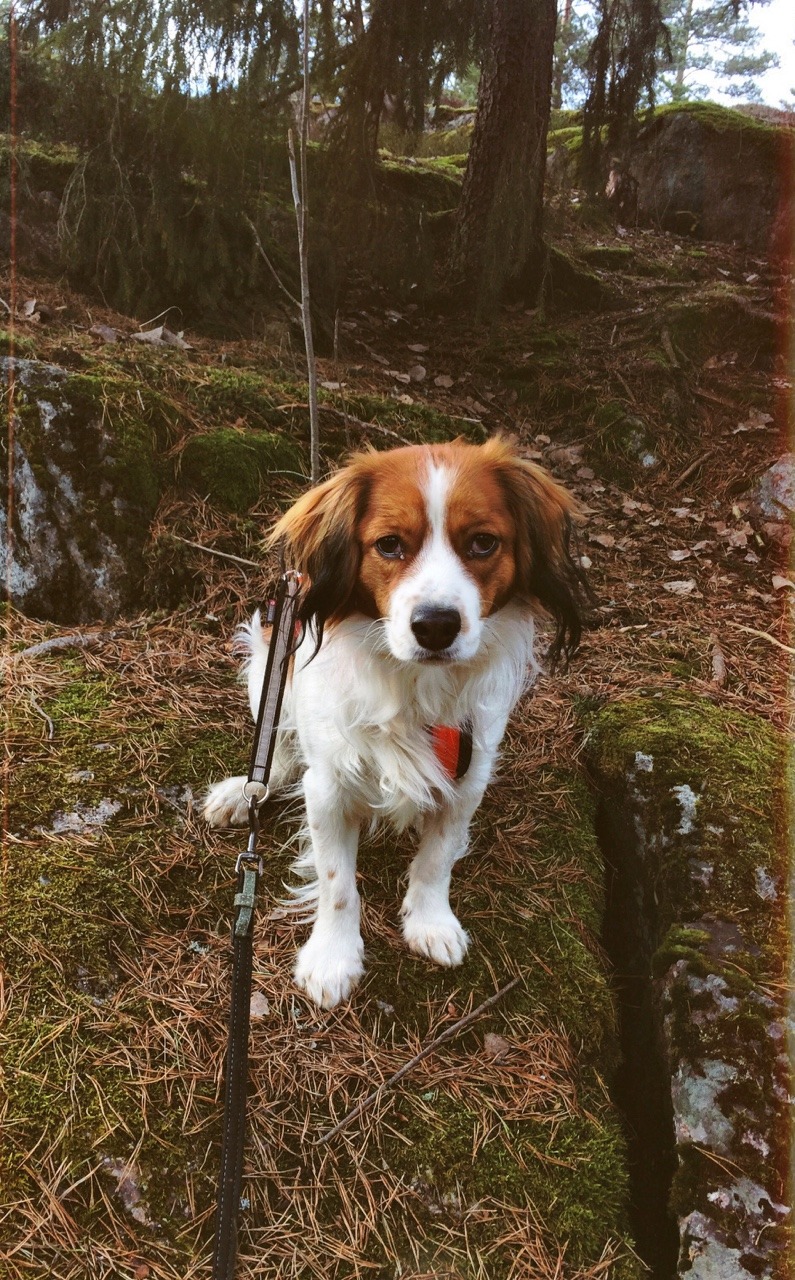
The Phalène, a delightful dog breed, originated in the regions of France and Belgium. This breed, known for its unique 'moth-eared' appearance, is a variety of the Continental Toy Spaniel. The Continental Toy Spaniel itself is a Belgian and French breed of spaniel type, distinguished by two sub-types based on ear shape: the Phalène with its pendent ears and the Papillon with its erect ears. The Phalène's ears are reminiscent of their spaniel ancestors, offering a throwback to the breed's heritage.
Lapdogs of miniature spaniel type have been depicted in art since the sixteenth century, with artists like Titian and Pierre Mignard showcasing these dogs in their works. The Papillon, a close relative of the Phalène, was first recognized by the American Kennel Club (AKC) in 1935. The breed's popularity was reignited after World War 2, with the Papillon Club of America being reactivated in 1948. The Phalène and the Papillon are considered the same breed by both the AKC and the Fédération Cynologique Internationale (FCI).
In 1999, Ch. Loteki Supernatural Being, also known as "Kirby," became the first Papillon to win the "Best in Show" at the Westminster Kennel Club dog show, marking a significant achievement for the breed. In 2019, another Papillon, Planet Waves Forever Young Daydream Believers, or "Dylan," made history by winning Best in Show at Crufts. This demonstrates the breed's success not only in conformation but also in competitive fields like obedience and agility. The Phalène's heritage and its historical significance as a companion dog have been well-documented, making it a cherished breed among enthusiasts.
Breed Characteristics
The Phalène is an elegant and fine-boned toy breed, known for its long, flowing silky coat and alert expression. This breed is small and delicate, with an adult weight ranging from 2.3 to 4.5 kg and a height of 20 to 28 cm. The coat is predominantly white, with patches of any color, and only on the head does the extent of the color exceed that of the white.
The Phalène is an energetic breed, with a high level of energy and a medium level of friendliness. This breed is intelligent and alert, making it highly trainable. Despite its small size, the Phalène is playful and happy, making it a delightful companion for families and individuals alike.
While the Phalène is not considered hypoallergenic, it is known for its gentle temperament. The breed's adaptability, affection level, and child-friendliness are not recorded, but its energy level and shedding level are both categorized as medium. This breed is also not rated for its dog-friendliness, social needs, stranger-friendliness, and vocalization, suggesting that it may be well-suited to a variety of living situations, including those with other pets.
Health Considerations
The Phalène, like many purebred dogs, may experience certain health concerns. Patellar luxation, a condition where the kneecap slips out of place, can be an issue for this breed, often observed in dogs that are overweight or have a genetic predisposition. Seizures, dental problems, and a risk for progressive retinal atrophy, intervertebral disk disease, and allergies are also potential health concerns. Progressive retinal atrophy is a degenerative eye disease that can lead to blindness, while intervertebral disk disease can cause pain and mobility issues.
Early detection and intervention can significantly improve the quality of life for these dogs. Owners should be vigilant for any signs of health issues, such as changes in vision, mobility, or behavior, and consult with a veterinarian promptly if concerns arise.
Lifestyle and Care
Daily brushing can help manage shedding and keep the Phalène's coat looking its best. Special attention should be given to the ears, which can trap dirt and moisture, and the eyes, which may require cleaning to prevent tear staining.
The Phalène's diet should be balanced and nutritious, providing the necessary nutrients for a healthy and active lifestyle. Owners should consult with a veterinarian to determine the best diet for their Phalène, taking into account any specific health concerns or dietary requirements.
Training should begin early and be consistent. The Phalène's intelligence and trainability make it a quick learner, but patience and positive reinforcement are key to successful training. Socialization from an early age is also important to ensure that the Phalène is well-rounded and comfortable in various social situations, including meeting new people and animals.
Buying a Phalène
Ask about the breeder's experience, the health history of the parents, and the availability of health clearances, such as certifications for patellar luxation and hip dysplasia. It is also beneficial to visit the breeder's facility to see the conditions in which the dogs are kept, ensuring they are clean, safe, and well cared for.
Additionally, consider the long-term costs associated with owning a dog, including food, grooming, veterinary care, and training. Owning a Phalène should be a commitment to providing a loving home and the necessary care to ensure its happiness and health.
Ensure that your home and lifestyle are a good match for a Phalène. If you are looking for a gentle, affectionate, and playful companion that is adaptable to various environments, the Phalène may be the perfect choice for you. Consider your living situation, such as whether you have a yard for the dog to play in, and whether you have the time and energy to meet the Phalène's needs for exercise and attention.
Frequently Asked Questions
What is the temperament of the Phalène?
The Phalène is known for: Friendly, Intelligent, Alert, Gentle, Playful, Happy. Its energy level is high.
What size and weight is the Phalène?
It is a small dog, typically around 2.3-4.5 kg as an adult.
Is the Phalène easy to care for?
Reliable grooming and shedding ratings are not available. Routine brushing, ear and dental care, and nail trims are still recommended.
Is the Phalène good with kids and other pets?
Reliable child- and pet-friendliness ratings are not available. Supervised, gradual introductions are recommended.
How much exercise does the Phalène need?
With a high energy level, it needs walks, play or training matched to its stamina.
Phalène
Trait Scores
N/A