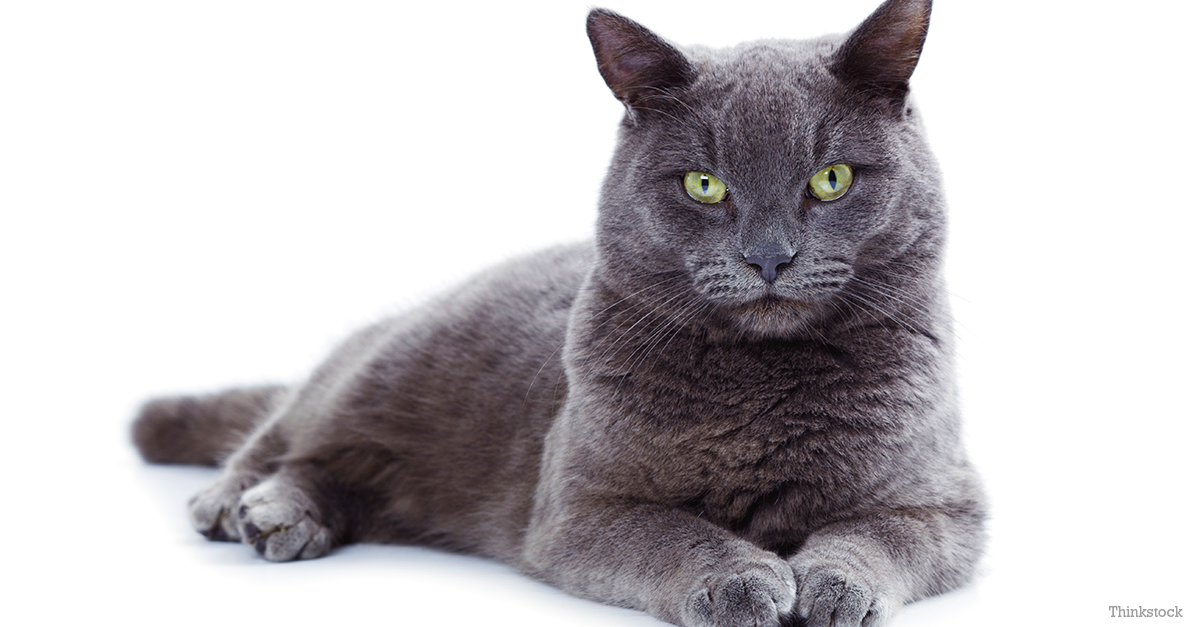
Origin and History
The Korat cat, a natural breed with a rich history, originated in the Phimai region of Thailand, specifically in Nakhon Ratchasima Province, which is colloquially known as "Korat. " This breed has been around for centuries and is one of the oldest stable cat breeds, with its first documented mention in the Thai Tamra Maew, a book of cat poems authored between 1350 and 1767 CE. The Korat is revered in Thai culture and is often depicted in ancient art and literature.
In the late 19th century, Korats were first introduced to Britain under the name "Blue Siamese," but they did not fit the typical Siamese cat standards and disappeared by 1901. The breed made its way to the United States in the 1950s, with the first importation of a pair of Korats, Nara and Darra, by Cedar Glen cattery in 1959. The Korat was accepted into championship status in the US in 1966, marking a significant milestone for the breed's recognition and popularity.
The Korat is known as the "good luck cat" in Thailand, traditionally gifted to newlyweds or highly esteemed individuals for prosperity and good fortune. This tradition reflects the breed's cultural significance and its association with positive energy. Until recently, these cats were not sold but only given as gifts, which further emphasizes their special status in Thai society.
Appearance and Characteristics
The Korat is a silver-tipped blue-grey, short-haired breed with a semi-cobby body and a low percentage of body fat, making it unusually heavy for its size. This breed has a distinctive heart-shaped head, large green eyes, and front paws that are shorter than the back paws, a trait known as "pudgy paws. " Their body structure is designed for agility and grace, allowing them to be active and playful.
The coat of the Korat is short, with roots of a lighter silver blue, transitioning to a deeper blue, and ending in silver tips, particularly on the muzzle and toes. This shimmering effect is reminiscent of rain-cloud grey and sea foam, as described by the Thais. The coat's texture is soft and smooth, requiring minimal grooming to maintain its luster.
Although rare, some Korats may have faint white markings or grey stripes, which are considered flaws and disqualify them from competing in cat shows. However, these markings do not affect the cat's personality or health, and they are not indicative of any genetic defects.
Temperament and Personality
The Korat is an active, loyal, highly intelligent, and expressive cat. Despite being fearless, they are startled by loud sounds and sudden movements, which is a common trait among cats with a Siamese heritage. These cats form strong bonds with their people, enjoying cuddling and staying nearby, often seeking out affection and attention.
With a low shedding level and a high trainability, Korats are suitable for owners who appreciate a cat that can be trained and has a manageable coat. Their intelligence and trainability make them adaptable to various living situations and easy to teach tricks and commands, such as fetching or coming when called.
While not overly vocal, Korats are very vocal and have a unique sound, setting them apart from other breeds. This characteristic adds to their expressiveness and ability to communicate with their owners, making them especially endearing companions.
Breed Standards and Registration
The Korat is recognized for its solid blue coat, which is the only color accepted for full registration. For full registration, Korats must have full-registered parents or third-generation supplementary-registered parents, and genetic testing for gangliosidosis is required to ensure the breed remains free of this inherited disease, which can be devastating for affected cats.
The Governing Council of the Cat Fancy recognizes Korat-type cats with variations from the traditional solid blue appearance. These include Thai Lilac, Thai Blue Point, and Thai Lilac Point, which are registered on the experimental register. The introduction of the genes responsible for Pointeds and Lilacs into the Korat breed came from new breeding stock imported from Thailand, indicating the breed's adaptability and diversity.
Health Considerations
The Korat is one of the more commonly affected breeds for gangliosidosis 1 and gangliosidosis 2, which are autosomal recessive conditions caused by mutations in the GBL1 and HEXB genes, respectively. These conditions can lead to neurological issues, including muscle weakness, coordination problems, and even paralysis, and require vigilant monitoring and care throughout the cat's life.
Atherosclerosis, a condition typically not seen in cats, has also been observed in Korats. This condition, similar to human atherosclerosis, is assumed to be genetic in nature, with a predisposition rather than an underlying condition or specific treatment.
Adaptability and Compatibility
The Korat is highly adaptable, scoring a 5 out of 5 on the adaptability scale. They are also highly affectionate, scoring a 5 out of 5 for affection level, and social needs are high, ranking a 5 out of 5.
While not the most vocal breed, Korats have a moderate level of vocalization, scoring a 3 out of 5. Their energy level is moderate, ranking a 3 out of 5, and they are generally friendly with strangers, scoring a 2 out of 5. Their grooming needs are minimal, scoring a 1 out of 5, and they are not prone to shedding, ranking a 3 out of 5. These factors make Korats well-suited for various lifestyles and living situations.
Buying a Korat: Practical Considerations
When considering purchasing a Korat, ensure that the cat has been genetically tested for gangliosidosis and comes from a healthy lineage.
Be prepared for the cost of ownership, including food, veterinary care, and any potential health issues. Korats are a long-lived breed, with an average lifespan of 10 to 15 years, so a long-term commitment is involved.
Ensure that your household is compatible with the Korat's active nature and social needs. If you have children or other pets, consider the Korat's child-friendliness and dog-friendliness, which both rank high, at 4 and 5 out of 5, respectively.
Frequently Asked Questions
What is the lifespan of the Korat?
The average lifespan of the Korat is about 10 - 15 years. Good nutrition and regular veterinary care support a healthy life.
What is the temperament of the Korat?
The Korat is known for: Active, Loyal, Highly Intelligent, Expressive, Trainable. Its affection rating is very high. Its energy level is high.
What size and weight is the Korat?
It is a small cat, typically around 3 - 5 kg as an adult.
Is the Korat easy to care for?
Available ratings indicate low grooming needs, and moderate shedding. Routine brushing, ear and dental care, and nail trims are still recommended.
Is the Korat good with kids and other pets?
Available ratings indicate high child-friendliness, and very high pet-friendliness. Supervised, gradual introductions are recommended.
How much exercise does the Korat need?
With a high energy level, it needs walks, play or training matched to its stamina.



