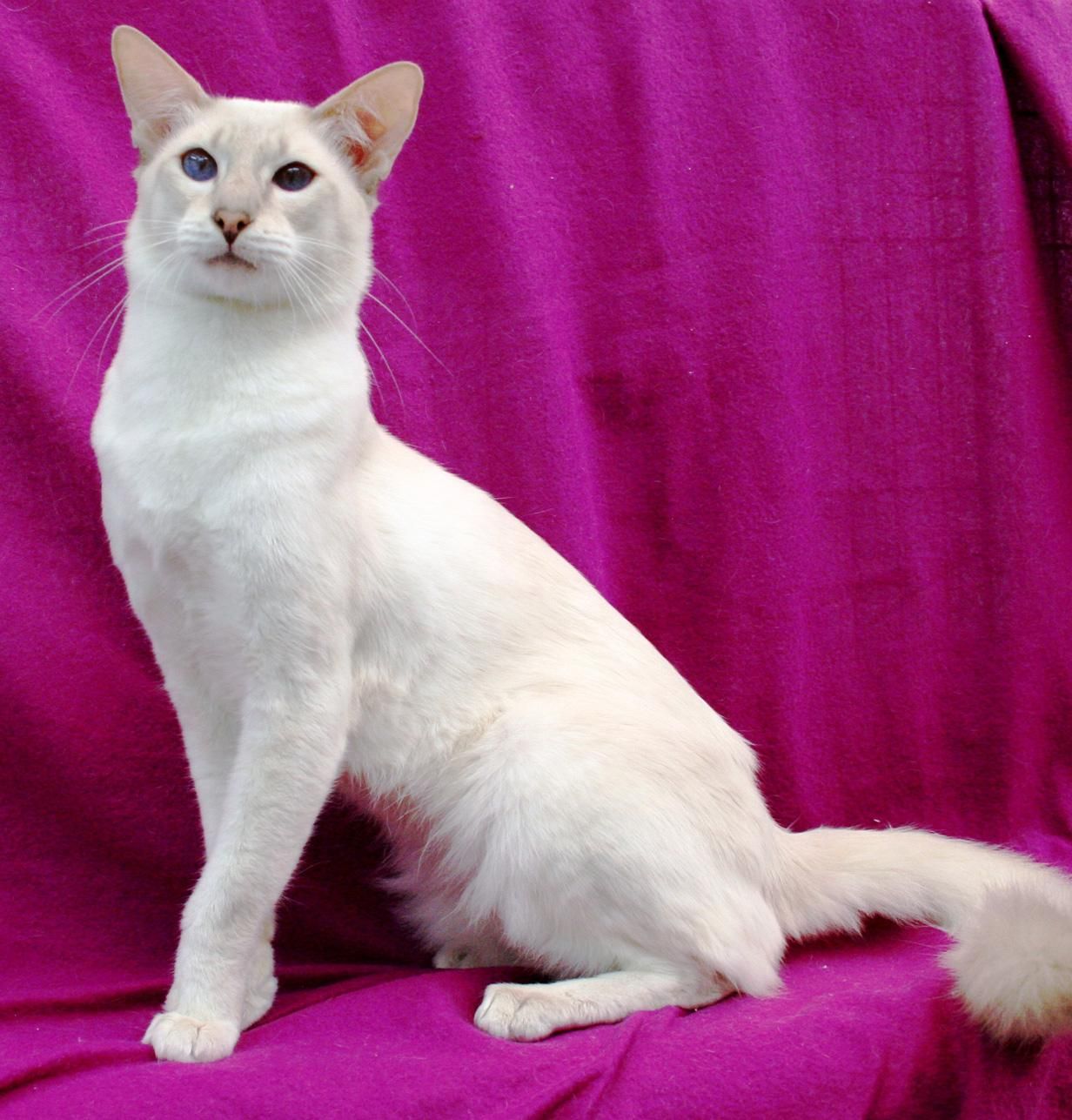
Origin and Development
The Javanese cat, known as the Colorpoint Longhair in some registries, originated in the United States. It is a variety of purebred domestic cat with a unique coat coloration and pattern, developed as an offshoot of the Balinese breed. The breed was developed by breeding Balinese cats with Siamese, Colorpoint Shorthair, and other Balinese cats. The name "Javanese" was coined by Helen Smith of MerryMews Cattery around 1950, inspired by the tradition of naming Oriental-type cats after Southeast Asian places, despite the uncertainty of Smith's travel to Indonesia.
In the late 1970s, breeders in Canada and the United States sought acceptance from the Cat Fanciers' Association (CFA) for their "new colors," which were variations on the traditional point-colored Balinese. These cats were accepted as a new breed by the CFA in 1979 and were awarded "Provisional" status in 1984, gaining full "Championship" status in 1986. However, in 2008, the Javanese was merged back into the Balinese as the Javanese Division to be more consistent with other registries' coat-color rules.
Under current CFA rules, only certain limited outcrossing is allowed, specifically to the Oriental Longhair, and this will cease at the end of 2025. The Javanese's development reflects a blend of genetics and the evolving standards of cat breeding registries. The breed's acceptance into the CFA was a significant milestone, as it was one of the first breeds to be recognized by the association for its unique coloration.
Breed Characteristics
The Javanese is a small to medium-sized cat, weighing between 2 to 5 kg. It has a medium-length coat, which is silky and lies close to the skin, giving it a sleeker appearance than typical long-haired cats. The Javanese has a unique point coloration, with a pale body and darker face and extremities, similar to the Colorpoint Shorthair. This breed is permitted to have a wide range of coat colors and patterns, including lynx point, tortoiseshell point, red/cream point, and others, with 24 Javanese-division color combinations defined by the CFA.
Standard Javanese always have blue eyes, a trait inherited from their Siamese ancestors. The breed is known for its active and playful nature, often copying human behaviors such as opening doors or drawers. Their high energy level and intelligence make them endlessly interested and curious, enjoying jumping to great heights and playing with interactive toys. The breed's coat color and pattern standards are strictly defined by the CFA, ensuring consistency across the breed.
Despite its active and inquisitive nature, the Javanese is not overly friendly with strangers, scoring a 3 on the stranger-friendly scale. However, its affection level is rated 5, indicating a strong bond with its owners. This breed is also noted for its vocalization, which can sometimes occur without apparent reason, a trait shared with its Siamese ancestors. The breed's temperament is well-suited for individuals who appreciate a cat with a mix of independence and sociability.
Temperament and Behavior
The Javanese is a highly active and intelligent breed, with a high energy level that often results in playful behavior. They enjoy investigating their surroundings, playing with interactive toys, and jumping to great heights. This breed is known for its playful nature and is often described as endlessly interested and intelligent. Their high level of curiosity often leads them to copy human behaviors, such as opening doors or drawers. This behavior is a delightful trait for owners who enjoy watching their cat engage in human-like activities.
They tend to be more affectionate with their owners, scoring a 5 on the affection level scale, and their social needs are high, rated at 5. This makes the Javanese an excellent choice for individuals or families looking for a pet that will form a strong bond and require regular interaction. The breed's social nature is further enhanced by its vocalization, which can sometimes be a form of communication with their owners.
The Javanese is also known for its vocalization, which can sometimes occur without a clear reason. This trait, inherited from the Siamese, makes them a lively and communicative companion. Their playful and vocal nature makes them an excellent choice for those who enjoy an active and interactive pet relationship. The breed's communication style is an important factor to consider for potential owners who appreciate a cat that is both visually and audibly engaging.
Health Considerations
Like other breeds with a Balinese and Siamese ancestry, the Javanese is prone to certain genetic disorders. These include dental issues, which can manifest as tartar buildup or periodontal disease; Amyloidosis, a condition that affects the internal organs; Inflammatory Bowel Disease (IBD), which can cause digestive issues; Hypertrophic Cardiomyopathy (HCM), a heart condition; and various eye issues, such as cataracts or progressive retinal atrophy (PRA). These health conditions can significantly impact the quality of life for Javanese cats if not detected and treated early.
Early detection and treatment can significantly improve the quality of life for Javanese cats. Responsible breeders often conduct genetic testing to minimize the risk of these disorders within the breed. The breed's specific health considerations are a vital part of the care routine for Javanese cat owners.
Lifespan and Care
The Javanese has a moderate lifespan, typically living between 10 to 12 years. This is consistent with the lifespan of other cat breeds with a similar size and genetic background. The breed's lifespan is influenced by various factors, including genetics, diet, and overall health care.
The Javanese's unique coat requires special attention to maintain its sleek and healthy appearance. The breed's coat also requires regular trimming to remove excess fur and prevent hairballs. Proper care of the Javanese coat is a significant aspect of the breed's maintenance routine.
Adaptability and Compatibility
The Javanese is an adaptable breed, scoring 4 on the adaptability scale. This means they can adjust well to different environments and lifestyles. However, their high energy level and need for regular interaction make them best suited for homes with active individuals or families who can provide them with ample attention and playtime.
Their high energy and playful nature can be well-matched with families or individuals who have the time and energy to keep up with them. The Javanese's compatibility with certain lifestyles is an important consideration for potential owners, as it ensures a harmonious relationship between the cat and its human companions.
Given their need for regular interaction and play, the Javanese may not be the best choice for those who are away from home for long periods or do not enjoy an active pet lifestyle. The breed's compatibility with specific lifestyles is a crucial factor in determining whether a Javanese cat is the right pet for a particular individual or family.
Buying a Javanese Cat
Reputable breeders often conduct health screenings and genetic testing to minimize the risk of genetic disorders. This commitment to health ensures that the Javanese cats they produce are as healthy as possible, reducing the likelihood of owners facing unexpected health issues.
Here is a practical checklist for buying a Javanese cat:
- Ask for health clearances and genetic test results, which may include tests for HCM, PRA, and IBD.
- Observe the kitten's behavior and environment to ensure it is well-cared for and socialized.
- Request references from previous owners to gauge the breeder's reputation and the health of the kittens they produce.
- Ensure the kitten has been properly vaccinated and dewormed to protect its health and prevent the spread of diseases.
Understanding the breed's characteristics and care requirements can help ensure a successful and fulfilling experience with a Javanese cat. Potential owners should be well-informed and prepared to meet the breed's needs, including its high energy level, social nature, and specific health considerations.
Frequently Asked Questions
What is the lifespan of the Javanese?
The average lifespan of the Javanese is about 10 - 12 years. Good nutrition and regular veterinary care support a healthy life.
What is the temperament of the Javanese?
The Javanese is known for: Active, Devoted, Intelligent, Playful. Its affection rating is very high. Its energy level is high.
What size and weight is the Javanese?
It is a small cat, typically around 2 - 5 kg as an adult.
Is the Javanese easy to care for?
Available ratings indicate low grooming needs, and relatively low shedding. Routine brushing, ear and dental care, and nail trims are still recommended.
Is the Javanese good with kids and other pets?
Available ratings indicate high child-friendliness, and high pet-friendliness. Supervised, gradual introductions are recommended.
How much exercise does the Javanese need?
With a high energy level, it needs walks, play or training matched to its stamina.
Is the Javanese hypoallergenic?
It has some hypoallergenic traits, but reactions vary. Spend time with one and seek professional advice before deciding.



